|
|
|||
|
||||
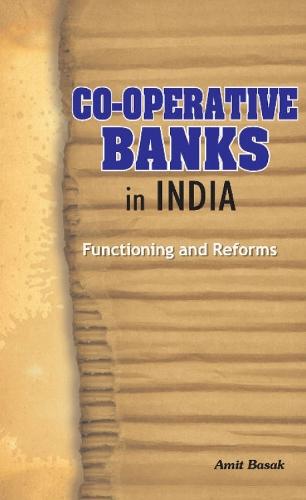
OverviewCo-operative banks are an integral part of the Indian financial system. They comprise urban co-operative banks and rural co-operative credit institutions. Co-operative banks in India are more than 100 years old. Urban Co-operative Banks (UCBs) -- also referred to as primary co-operative banks -- play an important role in meeting the growing credit needs of urban and semi-urban areas of the country. UCBs mobilise savings from the middle and lower income groups and purvey credit to small borrowers, including weaker sections of the society. Scheduled UCBs are under closer regulatory and supervisory framework of the RBI. Rural co-operative banks operate mainly for the benefit of rural areas, particularly the agricultural sector. Though much smaller as compared to scheduled commercial banks, co-operative banks constitute an important segment of the Indian banking system. They have an extensive branch network and reach out to people in remote areas. They have traditionally played an important role in creating banking habits among the lower and middle-income groups and in strengthening the rural credit delivery system. This book -- focusing on UCBs -- provides a vivid account of the functioning of co-operative credit institutions in India including recent reforms. Besides, it includes a case study of the working of UCBs in the Indian state of West Bengal. Full Product DetailsAuthor: Amit BasakPublisher: New Century Publications Imprint: New Century Publications Weight: 0.500kg ISBN: 9788177082500ISBN 10: 8177082507 Pages: 189 Publication Date: 01 January 2010 Audience: College/higher education , Tertiary & Higher Education Format: Hardback Publisher's Status: Active Availability: Out of stock The supplier is temporarily out of stock of this item. It will be ordered for you on backorder and shipped when it becomes available. Table of ContentsReviewsAuthor InformationTab Content 6Author Website:Countries AvailableAll regions |
||||