|
|
|||
|
||||
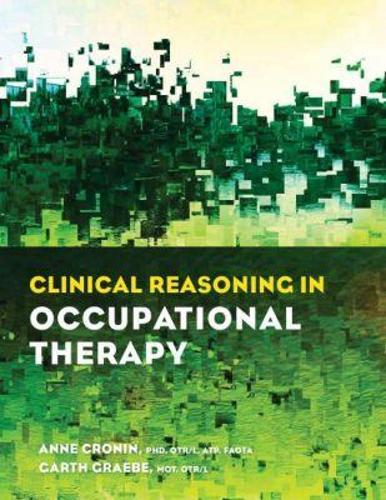
OverviewOccupational therapy practitioners use clinical reasoning in all areas of practice to determine who needs intervention, the most effective interventions, and expected outcomes. Successful professionals also use clinical reasoning to confidently assimilate new information, make decisions, argue well, and advocate for clients. A particular challenge facing occupational therapy students and novice practitioners is that actual clients do not always fit a typical clinical picture. This text guides readers in learning how to identify relevant clinical data among the diverse details of clients’ histories, interests, comorbidities, and lifestyles through fully developed case examples that guide reasoning through hypothesis refinement and changing situations. This essential text is aligned with the Occupational Therapy Practice Framework and integrates frames of reference and evidence in practical ways. Learning activities challenge readers to thoughtfully integrate what they are learning into their own ways of reasoning. Designed with the belief that systematic use of clinical reasoning strategies streamlines and supports using responsible, cost-effective interventions, Clinical Reasoning in Occupational Therapy guides students and practitioners in thinking efficiently, flexibly, and critically, providing clients with the best possible care. Full Product DetailsAuthor: Anne Cronin , Garth GraebePublisher: American Occupational Therapy Imprint: American Occupational Therapy Weight: 0.679kg ISBN: 9781569003886ISBN 10: 1569003882 Pages: 240 Publication Date: 30 June 2018 Audience: Professional and scholarly , Professional & Vocational Format: Paperback Publisher's Status: Active Availability: Out of stock The supplier is temporarily out of stock of this item. It will be ordered for you on backorder and shipped when it becomes available. Table of ContentsPart I. Occupational Perspective for Clinical Reasoning Chapter 1. Overview of the Clinical Reasoning Process Chapter 2. Clinical Reasoning and Occupational Therapy's Domain of Practice Chapter 3. Hypothesis Generation and Refinement Part II. Frames of Reference Chapter 4. Psychodynamic and Developmental Systems Frames of Reference Chapter 5. Behavioral Science Frames of Reference Chapter 6. Motor Learning Frame of Reference Chapter 7. Sensory Integration and Sensory Processing Frames of Reference Section III. Intervention Chapter 8. Occupation-Focused Practice Models Chapter 9. Occupational Therapy Intervention Process Chapter 10. Strategic Thinking and Outcomes Chapter 11. Complexity and Disruption in Clinical Reasoning Appendixes Appendix A. AOTA's Occupational Profile Template Appendix B. Frames of Reference SummaryReviewsAuthor InformationTab Content 6Author Website:Countries AvailableAll regions |
||||