|
|
|||
|
||||
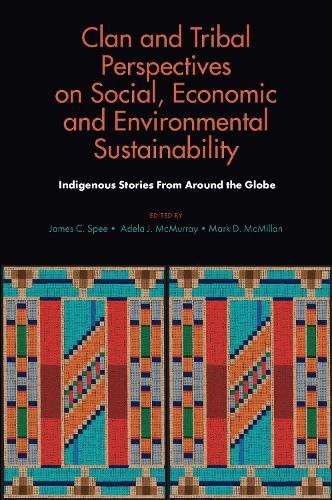
OverviewFrom the Indigenous perspective, sustainability must be understood as a means of survival. In a climate of in-migration, clan and tribal communities have been forced to build sustainable solutions together to protect their sovereignty, recognition and mutual respect. In the midst of a global pandemic that threatens the economic and social well-being of millions of people, this edited collection addresses the social, economic, and environmental sustainability of tribes, clans, and Indigenous cultures across national and global origins. Acknowledging that these peoples around the globe have addressed threats to their survival for millennia, the authors showcase examples of indigenous groups spanning South Africa, Nigeria, Australia, New Zealand, Pakistan, Afghanistan, Bolivia and North America. Regional examples also come from Rwanda, Cameroon, Congo, Ethiopia, East Timor, Papua New Guinea, the Andaman and Nicobar Islands, Easter Island, and Nunavit, Canada. Breaking fresh ground by shining a light on sustainability journeys from outside the global mainstream, this book demonstrates how sustainable recovery and development occurs in respectful collaboration between equals. Full Product DetailsAuthor: James C. Spee (University of Redlands, USA) , Adela J. McMurray (Flinders University, Australia) , Mark D. McMillan (RMIT University, Australia)Publisher: Emerald Publishing Limited Imprint: Emerald Publishing Limited Dimensions: Width: 15.20cm , Height: 1.50cm , Length: 22.90cm Weight: 0.429kg ISBN: 9781789733662ISBN 10: 1789733669 Pages: 216 Publication Date: 01 March 2021 Audience: Professional and scholarly , Professional & Vocational Format: Hardback Publisher's Status: Active Availability: In Print This item will be ordered in for you from one of our suppliers. Upon receipt, we will promptly dispatch it out to you. For in store availability, please contact us. Table of ContentsChapter 1. Sustainable Relationships Are the Foundation of Tribal and Clan Perspectives; James C. Spee, Adela McMurray and Mark McMillan Theme 1: Civilisations and Sustainability Chapter 2. Sustainable Indigenous Water Rights; Deborah Wardle Chapter 3. Indigenous Ontologies in 'Caring for Country'; Indigenous Australia's Sustainable Customs, Practices and Laws; Virginia Marshall Theme 2: Entrepreneurship and Innovation Chapter 4. Indigenous Entrepreneurs in Australia: Past, Present, and Future; Bella L. Galperin, Meena Chavan and Salahudin Muhidin Chapter 5. Māori Social Enterprise: A Case Study; Ruth Hephzibah Orhoevwri Theme 3: Leadership in Tribes and Clans Chapter 6. Quechua/Aymara Perspective of Social, Economic and Environmental Sustainability in the Bolivian Andes: Sustainability and Contradictions in Bolivia's Royal Quinoa Heartland; Tamara Stenn Chapter 7. Leadership Lessons in Sustainability from Elders and Events in Historical Clan Survival Stories; Andrew Creed, Ambika Zutshi and Brian Connelly Theme 4: Politics and Policy in Tribal and Clan Organisations Chapter 8. Jirga, Its Role and Evolution in Pakistan's Pashtun 'Tribal' Society: Pashtun Jirga in Pakistan; Farooq Yousaf Chapter 9. Effectiveness of 'Traditional' Conflict Resolution and Transformation Strategies: Traditional Conflict Resolution; Farooq Yousaf Chapter 10. The Resolution by the White Earth Anishinaabe Nation to Protect the Inherent Rights of Wild Rice; Lawrence W. Gross Theme 5: Tribal and Clan Views on Health and Well Being Chapter 11. Therapeutic Landscapes and Indigenous Culture: Māori Health Models in Aotearoa/New Zealand; Jacqueline McIntosh, Bruno Marques and Rosemary Mwipiko Chapter 12. Fire, Stories and Health; Deborah Wardle, Faye McMillan and Mark McMillan, Chapter 13. Ubuntu Identity, the Economy of Bomvana Indigenous Healers, and their Impact on Spiritual and Physical Wellbeing of an African Indigenous Community; Chioma OhajunwaReviewsAuthor InformationJames C. Spee is Professor of Management and Sustainable Business at the School of Business, University of Redlands, USA, which sits on the land of the Cahuilla & Serrano Nations. He has extensive teaching experience in strategic management and sustainability. Adela J. McMurray is Professor of Management at Flinders University, Australia, which sits on the land of the Woiworung and Boonwurrung. Her research on sustainability and innovation is internationally recognised. Mark D. McMillan is a Board Member of the Trangie Local Aboriginal Land Council, and a Wiradjuri man. He serves as Deputy Pro Vice-Chancellor and Professor of Indigenous Education and Engagement at RMIT University, Australia. Tab Content 6Author Website:Countries AvailableAll regions |
||||