|
|
|||
|
||||
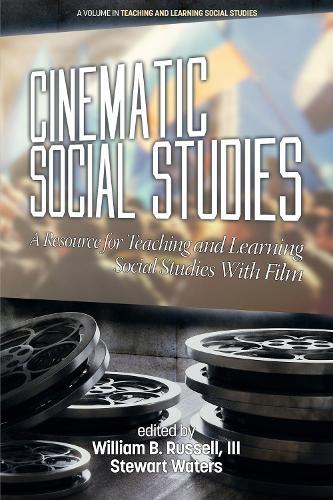
OverviewAction! Film is a common and powerful element in the social studies classroom and Cinematic Social Studies explores teaching and learning social studies with film. Teaching with film is a prominent teaching strategy utilized by many teachers on a regular basis. Cinematic Social Studies moves readers beyond the traditional perceptions of teaching film and explores the vast array of ideas and strategies related to teaching social studies with film. The contributing authors of this volume seek to explain, through an array of ideas and visions, what cinematic social studies can/should look like, while providing research and rationales for why teaching social studies with film is valuable and important. This volume includes twenty-four scholarly chapters discussing relevant topics of importance to cinematic social studies. The twenty four chapters are divided into three sections. This stellar collection of writings includes contributions from noteworthy scholars like Keith Barton, Wayne Journell, James Damico, Cynthia Tyson, and many more. Full Product DetailsAuthor: William B. Russell, III , Stewart WatersPublisher: Emerald Publishing Inc Imprint: Information Age Publishing Dimensions: Width: 15.60cm , Height: 2.70cm , Length: 23.40cm Weight: 0.741kg ISBN: 9781681237336ISBN 10: 1681237334 Pages: 534 Publication Date: 14 December 2016 Audience: Professional and scholarly , Professional & Vocational Format: Paperback Publisher's Status: Active Availability: Manufactured on demand We will order this item for you from a manufactured on demand supplier. Table of ContentsSection I. Film, Fundamentals, and Foundations. Chapter 1. The Fundamentals of Teaching With Film; Stewart Waters and William B. Russell, III. Chapter 2. I See the Same F******* Movies You Do, Man: Film Genre and the Depiction of Teaching and Learning; Keith Barton and Robert Burroughs. Chapter 3. Movies and Suggestibility: This Is Your Brain on Movies; Judith Raizy Nathan. Chapter 4. They're Gonna Sing the Songs Anyway: Thinking and Teaching With Theory and Disney Music for Social Studies; Andrea M. Hawkman and Sarah B. Shear. Chapter 5. Film Music as a Tool for Fostering Critical Thinking and Historical Empathy; Lisa Gilbert and Michael W. Harris. Chapter 6. Going Full Retard: Teaching About Disability Through Film; Darren W. Minarik and Matthew Blevins. Section II. Film and History. Chapter 7. Historical Films: An Essential Resource for Nurturing Historical Literacy; Jeffery D. Nokes and David Ellison. Chapter 8. Viewing the World Wars through Media Literacy; Shanedra D. Nowell. Chapter 9. Interrogating the Medium and the Message: Utilizing Historical Documentaries to Teach About Genocide; Daniel G. Krutka and Rebecca C. Christ. Chapter 10. Teaching Immigration to Elementary School Students Through Film Analysis and Digital Storytelling; Sunghee Shin and Beverly Milner (Lee) Bisland. Chapter 11. This Is Where the Soul Goes: Teaching About Historical Agency With the Film Amistad; Mark Pearcy. Chapter 12. Hollywood or History? Inquiring About U.S. Slavery Through Film; Scott Roberts and Charles Elfer. Chapter 13. Beyond the Waterfront: Using On the Waterfront as a Primary Source in Teaching the Cold War; Timothy Reinhardt. Chapter 14. And That's a Rap! Teaching Racial Identity Model Through the Movie Malcolm X; Starlynn R. Nance. Section III. Film and the Social Sciences (Nonhistory). Chapter 15. Using Sci-Fi Films to Explore the Theme of Science, Technology, and Society in the Social Studies; Lance Mason. Chapter 16. This Changes Everything! Critical Literacy and Climate Change in Social Studies; James Damico, Mark Baildon, and Alexandra Panos. Chapter 17. Geography and Film: Teaching Perceptions of Space and Place; Joshua L. Kenna. Chapter 18. Using Film to Contextualize Simulations: A Mock Trial Example; Wayne Journell. Chapter 19. Making the Political Personal: Using Film to Teach Social Justice in Social Studies; Angela Malone Cartwright and Cynthia Tyson. Chapter 20. What Ifs? Of LGBTQ Inclusion and Integration of Film in the Social Studies Classroom; Jeffrey Hawkins. Chapter 21. Bending the Curriculum: Learning About Transgender Through Film; Natalie Keefer, Aimee Alexander-Shea, and Lynne Carlson. Chapter 22. How to Survive a Plague: LGBTQ Issues and Civic Activism in the Social Studies Classroom; Lisa K. Pennington and Cathy Brant. Chapter 23. Exploring Controversial Issues in the Economics Classroom Using Music Video; Benjamin J. VanVleet. Chapter 24. Leonardo DiCaprio: The Economic Man and Key Economic Concepts in His Movies; Mary Beth Henning and Tammy Batson. About the Editors. About the Contributors.ReviewsAuthor InformationTab Content 6Author Website:Countries AvailableAll regions |
||||