|
|
|||
|
||||
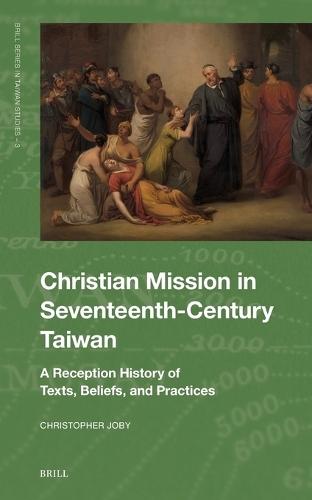
OverviewThis is the first book-length study of the reception of Christianity and the epistemic outcomes of contact between Protestant and Catholic missionaries and Indigenous Austronesians in the contact zone of seventeenth-century colonial Taiwan. In the Age of European Expansion, Dutch Reformed and Spanish Catholic missionaries attempted to win the souls of Indigenous Austronesian people in Taiwan. Christopher Joby examines the strategies that the missionaries employed to overcome the gap between their own cultures and languages and those of the Indigenous Austronesians or Formosans in the contact zone of seventeenth-century Taiwan, and evaluates the success of these strategies. As such, this book is a reception history of the texts, beliefs, and practices that Reformed Protestant and Catholic missionaries introduced to convert the Formosans to their mode of Christianity. Using many linguistic and non-linguistic examples, this approach allows for a ‘complementary colour perspective’ by comparing the epistemic outcomes of the Dutch Reformed and Spanish Catholic missions. Full Product DetailsAuthor: Christopher JobyPublisher: Brill Imprint: Brill Volume: 3 Dimensions: Width: 15.50cm , Height: 3.70cm , Length: 23.50cm Weight: 0.933kg ISBN: 9789004716346ISBN 10: 9004716343 Pages: 486 Publication Date: 20 February 2025 Audience: Professional and scholarly , Professional & Vocational Format: Hardback Publisher's Status: Active Availability: Manufactured on demand We will order this item for you from a manufactured on demand supplier. Table of ContentsReviews“Christopher Joby’s fascinating new work zooms in on the seventeenth century occupation of Taiwan by the Spanish and Dutch East India Company.” —Steven Crook, Taipei Times, Book Review, 24 July 2025 Read the full review here. Author InformationChristopher Joby, Ph.D. (2006), Durham University, is a Research Associate at the Centre of Taiwan Studies, SOAS, University of London. He has published many articles on “Aboriginal Taiwan” and the Dutch colonial period, and authored two chapters in the Handbook of Formosan Languages (Brill, 2024). Tab Content 6Author Website:Countries AvailableAll regions |
||||