Overview
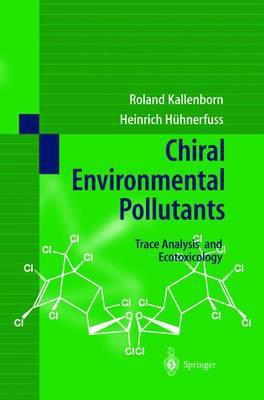
The central topic of the book is to present the state of the art and future development of environmental enantioselective trace analysis. Areas such as toxicology, ecotoxicology, synthetic chemistry, biology, physics are also covered in detail in order to explain the different properties of enantiomers in environmental samples. This monograph delivers a comprehensive survey for environmental trace analysts, analytical chemists, ecotoxicologists, food scientists and experienced laboratory personnel.
Full Product Details
Author: R. Kallenborn ,
H. Hühnerfuss
Publisher: Springer-Verlag Berlin and Heidelberg GmbH & Co. KG
Imprint: Springer-Verlag Berlin and Heidelberg GmbH & Co. K
Edition: 2001 ed.
Dimensions:
Width: 15.50cm
, Height: 1.40cm
, Length: 23.50cm
Weight: 1.110kg
ISBN: 9783540664239
ISBN 10: 3540664238
Pages: 210
Publication Date: 18 January 2001
Audience:
Professional and scholarly
,
Professional & Vocational
Replaced By: 9783030624552
Format: Hardback
Publisher's Status: Active
Availability: In Print

This item will be ordered in for you from one of our suppliers. Upon receipt, we will promptly dispatch it out to you. For in store availability, please contact us.
Reviews
From the reviews: The authors present the state of the art and future development on environmental enantioselective trace analysis and the environmental fate of organic chiral pollutants. ... a comprehensive survey of enantioselective trace analysis, and, what is excellent, the authors try to relate these data to the ecotoxological effects of chiral pollutants. ... the layout is clear, and the examples in tables and figures are carefully chosen. ... it delivers a comprehensive survey for environmental trace analysts, analytical chemists, ecotoxicologists, food scientists and graduate students ... . (Jussi V. K. Kukkonen, International Journal of Environment and Pollution, Vol. 18 (1), 2002) This book is a welcome addition to fill the gap in the previously published books and monographs that discuss chirality and chiral analysis of pharmaceuticals. ... this book is a valuable reference and a 'must have' since it focuses on the impact of chirality on environmental pollutants. The book is highly recommended to research scientists, graduate students and chemists who are especially involved in the field of environmental analysis. Furthermore, governmental regulatory agencies will find this book of great benefit. (Hassan Y. Aboul-Enein, Biomedical Chromatography, Vol. 16 (4), 2002) The authors have tried to give a comprehensive survey of the state-of-the-art of enantioselective trace analysis and also to reflect the future of this promising field of analytical research. ... This monograph is employable to environmental trace analysts, analytical chemists, ecotoxicologists, food scientists, and also experienced laboratory personnel. (Advances in Food Science Vol. 23 (4), 2001) The central topic of the book is to present the state of the art and future development of environmental enantioselective trace analysis and its implications in ecotoxicological studies. ... The topics presented in the book are very well illustrated with practical details and case studies, as well as almost 500 references. ... This monograph is highly recommended for environmental trace analysts, analytical chemists, ecotoxicologists and food scientists. (International Journal of Environmental Analytical Chemistry, Vol. 81, 2001)
From the reviews: <p> The authors present the state of the art and future development on environmental enantioselective trace analysis and the environmental fate of organic chiral pollutants. a ] a comprehensive survey of enantioselective trace analysis, and, what is excellent, the authors try to relate these data to the ecotoxological effects of chiral pollutants. a ] the layout is clear, and the examples in tables and figures are carefully chosen. a ] it delivers a comprehensive survey for environmental trace analysts, analytical chemists, ecotoxicologists, food scientists and graduate students a ] . (Jussi V. K. Kukkonen, International Journal of Environment and Pollution, Vol. 18 (1), 2002) <p> This book is a welcome addition to fill the gap in the previously published books and monographs that discuss chirality and chiral analysis of pharmaceuticals. a ] this book is a valuable reference and a a ~must havea (TM) since it focuses on the impact of chirality on environmental pollutants. The book is highly recommended to research scientists, graduate students and chemists who are especially involved in the field of environmental analysis. Furthermore, governmental regulatory agencies will find this book of great benefit. (Hassan Y. Aboul-Enein, Biomedical Chromatography, Vol. 16 (4), 2002) <p> The authors have tried to give a comprehensive survey of the state-of-the-art of enantioselective trace analysis and also to reflect the future of this promising field of analytical research. a ] This monograph is employable to environmental trace analysts, analytical chemists, ecotoxicologists, food scientists, and also experienced laboratory personnel. (Advances in Food Science Vol.23 (4), 2001) <p> The central topic of the book is to present the state of the art and future development of environmental enantioselective trace analysis and its implications in ecotoxicological studies. a ] The topics presented in the book are very well illustrated with practical details and case studies, as well as almost 500 references. a ] This monograph is highly recommended for environmental trace analysts, analytical chemists, ecotoxicologists and food scientists. (International Journal of Environmental Analytical Chemistry, Vol. 81, 2001)
From the reviews: The authors present the state of the art and future development on environmental enantioselective trace analysis and the environmental fate of organic chiral pollutants. ! a comprehensive survey of enantioselective trace analysis, and, what is excellent, the authors try to relate these data to the ecotoxological effects of chiral pollutants. ! the layout is clear, and the examples in tables and figures are carefully chosen. ! it delivers a comprehensive survey for environmental trace analysts, analytical chemists, ecotoxicologists, food scientists and graduate students ! . (Jussi V. K. Kukkonen, International Journal of Environment and Pollution, Vol. 18 (1), 2002) This book is a welcome addition to fill the gap in the previously published books and monographs that discuss chirality and chiral analysis of pharmaceuticals. ! this book is a valuable reference and a 'must have' since it focuses on the impact of chirality on environmental pollutants. The book is highly recommended to research scientists, graduate students and chemists who are especially involved in the field of environmental analysis. Furthermore, governmental regulatory agencies will find this book of great benefit. (Hassan Y. Aboul-Enein, Biomedical Chromatography, Vol. 16 (4), 2002) The authors have tried to give a comprehensive survey of the state-of-the-art of enantioselective trace analysis and also to reflect the future of this promising field of analytical research. ! This monograph is employable to environmental trace analysts, analytical chemists, ecotoxicologists, food scientists, and also experienced laboratory personnel. (Advances in Food Science Vol. 23 (4), 2001) The central topic of the book is to present the state of the art and future development of environmental enantioselective trace analysis and its implications in ecotoxicological studies. ! The topics presented in the book are very well illustrated with practical details and case studies, as well as almost 500 references. ! This monograph is highly recommended for environmental trace analysts, analytical chemists, ecotoxicologists and food scientists. (International Journal of Environmental Analytical Chemistry, Vol. 81, 2001)