Overview
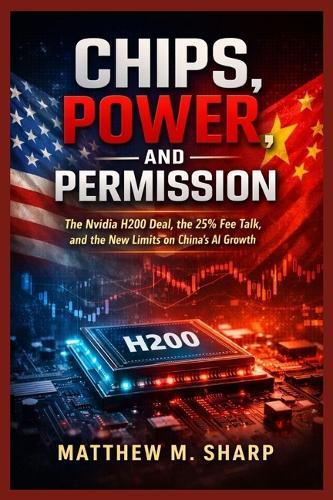
One U.S. decision changed the global AI chip story overnight. The government didn't simply ""ban"" or ""allow"" advanced processors into China. It opened a narrow door, added strict locks, and triggered a fresh wave of tension at the border. If you have seen headlines and still feel unsure what truly happened, this book gives you the full picture in plain English, without the noise. Inside these pages, you will understand why the H200 matters, why it was restricted, and what ""approved"" really means when Washington is watching every shipment. You will also learn how rules can sound simple in public but become detailed and demanding in practice, from licensing to testing to end-use limits. By the end, you will be able to explain this moment to anyone, clearly, and you will understand what it signals for the next phase of the U.S.-China tech rivalry. This book breaks down the real story behind the Nvidia H200 chip export to China and the deeper reasons behind US export controls on AI chips. You will see why Nvidia China chip restrictions became a top issue, and how the BIS export license case-by-case approach works when the stakes are high. You will also learn what the Department of Commerce chip rules are trying to protect, and why an AI processor ban and approval can happen at the same time, depending on conditions. You will walk through how advanced computing export regulations now shape competition, why the US-China tech war, explained through chips, is about more than economics, and how semiconductor trade restrictions are used as a tool of policy. The book also explains why leaders frame AI chips' national security policy as urgent, and why people keep using phrases like chip sanctions on China, even when the real system is built around licenses and limits. Confused by product names and what they mean? You will get a simple guide to H200 vs H100 vs H20 explained, so you can understand what is being discussed and why it matters. You will also learn why governments care about verification, including the role of third-party testing, export rule requirements and what shows up in the Federal Register export rule AI chips text that most readers never see. You will understand the logic behind the 50 per cent shipment cap in China and why the U.S. added a sufficient US supply certification chip condition before exports can move. This story is also about control after shipping. You will see why the U.S. insists on non-military end-use restrictions, what compliance checks look like, and why Know Your Customer KYC compliance is part of the modern chip trade. You will understand how AI hardware supply chain geopolitics now affects real decisions by companies and governments, and why reports about a China customs ban on Nvidia chips matter even when export approval exists on paper. The book also covers the political layer that grabbed attention, including what people mean by Nvidia-approved customers in China and why the headline about Trump's 25 per cent fee on Nvidia chips stirred debate. If you work in tech, investing, policy, or just want to understand the direction the world is moving, this book connects the dots between business pressure and regulation, including export compliance for tech companies, the practical steps behind AI chip licensing requirements, and how export rules shape the AI race in the months ahead.
Full Product Details
Author: Matthew M Sharp
Publisher: Independently Published
Imprint: Independently Published
Dimensions:
Width: 15.20cm
, Height: 0.60cm
, Length: 22.90cm
Weight: 0.168kg
ISBN: 9798243970655
Pages: 118
Publication Date: 14 January 2026
Audience:
General/trade
,
General
Format: Paperback
Publisher's Status: Active
Availability: Available To Order

We have confirmation that this item is in stock with the supplier. It will be ordered in for you and dispatched immediately.