|
|
|||
|
||||
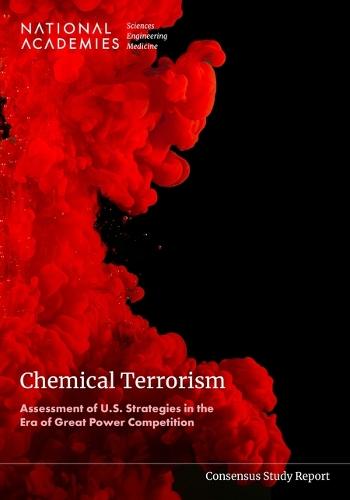
OverviewDomestic and foreign violent extremist organizations, or terrorist groups, have caused a greater amount of harm with chemical agents than with biological or radiological weapons. The United States capacity and capability to identify, prevent, counter, and respond adequately to chemical threats is established by the strategies, policies, and laws enacted across multiple levels of government. While the number of chemical terrorism incidents has risen and fallen over time, there is no empirical or analytical indication that the threat is disappearing. This report comes at a time when the nation's highest-level strategies have shifted from focusing primarily on violent extremist organizations to focusing more on Great Power Competition. This shift in relative perceived threat and consequent prioritization will impact efforts against chemical terrorism, and in turn, affect funding priorities. Revised risk assessments are needed to reprioritize risks guided by new strategies, so that strategy-aligned budgets can be created. The report recommends weapons of mass destruction budgets be aligned with evolving priorities and incentivize activities that transition promising research to operations. Full Product DetailsAuthor: National Academies of Sciences, Engineering, and Medicine , Division on Earth and Life Studies , Board on Chemical Sciences and Technology , Committee on Assessing and Improving Strategies for Preventing, Countering, and Responding to Weapons of Mass Destruction Terrorism: Chemical ThreatsPublisher: National Academies Press Imprint: National Academies Press ISBN: 9780309706780ISBN 10: 0309706785 Pages: 186 Publication Date: 26 November 2024 Audience: Professional and scholarly , Professional & Vocational Format: Paperback Publisher's Status: Active Availability: Manufactured on demand We will order this item for you from a manufactured on demand supplier. Table of ContentsReviewsAuthor InformationTab Content 6Author Website:Countries AvailableAll regions |
||||