Overview
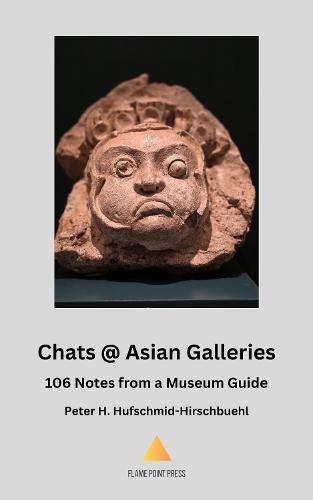
For nearly a decade, museum guide Peter H. Hufschmid-Hirschbuehl has led visitors through the National Museum of Thailand, answering spontaneous questions beside statues, murals, and relics. Over time, these one-to-one conversations grew into more than a hundred concise reflections – clear, accessible, and rich with cultural depth. This book gathers 106 standalone chapters exploring how Buddhist, Hindu, and Southeast Asian traditions shaped the region’s artistic imagination. From Indian cosmology to Thai royal symbolism, from Borobudur’s mandalas to the mudrās of classical dance, each chapter distills complex ideas into insights that are both scholarly and inviting. Readers will encounter: • The Buddha’s Middle Way, Dependent Origination, and the 32 & 80 Marks of Enlightenment. • Śiva’s cosmic dance, the Śiva-Liṅga, and the subtle philosophy of Śakti. • Esoteric Buddhism across Śrīvijaya and Java; the rise of Majapahit and Islamic sultanates. • Thai temple architecture, spirit houses, sacred geometry, and animistic traditions. • The lost-wax bronze method, royal regalia, crowned Buddha images, and more. Balancing historical accuracy with approachable storytelling, Chats @ Asian Galleries serves as a portable companion to Asian art – ideal for travelers, readers of religion, and anyone seeking an intuitive entry into Buddhist and Hindu worlds. Across galleries, temples, and kingdoms, this book traces a continuous thread: how art becomes philosophy in visible form. These short chapters invite readers to slow down, look closely, and rediscover the wisdom embedded in the masterpieces of Asia. Accessible yet accurate, Chats @ Asian Galleries is a perfect companion for travelers, museum lovers, and anyone exploring Asian spirituality through its sculptures, murals, and rituals. Read less
Full Product Details
Author: Peter H. Hufschmid-Hirschbuehl
Publisher: Flame Point Press
Imprint: Flame Point Press
ISBN: 9781068795633
ISBN 10: 1068795638
Pages: 577
Publication Date: 26 November 2025
Audience:
General/trade
,
General
Format: Paperback
Publisher's Status: Active
Availability: Available To Order 
We have confirmation that this item is in stock with the supplier. It will be ordered in for you and dispatched immediately.
Table of Contents
1 Five Skandhas (Five Aggregates) 1.1 Form (Rūpa) 1.2 Sensation/Feeling (Vedanā) 1.3 Perception/Recognition (Saṃjñā) 1.4 Mental Formations (Saṃskāra) 1.5 Consciousness (Vijñāna) 1.6 Doctrinal Significance 1.7 The Five Skandhas at Human Conception 1.7.1 Key Principles of Interdependence 1.8 The Five Skandhas as the Initial Vector of Life 1.8.1 Why “Vector” Fits 1.8.2 Skandhas as Vector Components 1.8.3 Karma and Conditioned Arising 1.8.4 Impermanence and Flux 2 Major Hindu Traditions 2.1 Vaiṣṇavism (Worshippers of Viṣṇu) 2.2 Śaivism (Worshippers of Śiva) 2.3 Śāktism (Worshippers of the Goddess—Śakti) 2.3.1 Key Similarities and Important Notes 2.4 Smārtism (Plural Worship within Advaita Vedānta) 2.5 Comparative Insight 2.5.1 Comparison Table 3 Eighteen Arhats 4 Thirty-One Planes of Existence (Theravāda Buddhism) 4.1 Three Realms (Bhūmi) 4.1.1 Kāma-loka (Sensual Sphere) 4.1.2 Rūpa-loka (Fine-Material Sphere) 4.1.3 Arūpa-loka (Immaterial Sphere) 4.2 Planes of Existence – Key Points 4.2.1 Important Notes 5 Buddhist Brahma Worlds 5.1 Inhabited by Brahmas 5.1.1 Association with High Meditative Attainment 5.2 Transcendence of Sensual Desire 5.3 Distinction from Lower Devas 5.3.1 Why This Distinction Matters in Buddhist Teaching 6 One Hundred and Eight Auspicious Signs 6.1 Categories of Signs 6.2 Context and Meaning 7 Buddha in “Walking Meditation” and “Descent from Heaven” 7.1 The Sukhothai Walking Buddha: The Path of Mindful Action 7.2 The “Buddha Descending from Tāvatiṃsa Heaven”: A Divine Narrative 7.3 Key Differences: Why Distinction Matters 7.4 Conclusion: Understanding the Confusion 8 Seven Buddhas of Antiquity 8.1 The Seven Buddhas 8.2 Teachings of the Seven Buddhas 8.2.1 Common Teachings 8.2.2 Distinct Emphases 8.2.3 Iconography and Symbolism 8.2.4 Worship and Ritual 8.3 Comparative Perspective 8.4 Theravāda View within the Present Kalpa 8.5 Buddhas Before and After Gautama (Buddhavaṃsa) 9 Devasathan and Royal Brahmins of Thailand 9.1 Function 9.2 The Three Main Shrines 9.3 The Royal Brahmins of Thailand 9.4 The Crucial Thai Buddhist Context 10 Dhutanga – Ascetic Practices 10.1 The Thirteen Classic Dhūtaṅgas 10.2 Purpose and Benefits 10.3 Key Characteristics 11 Difference between a Buddha and an Arhat 11.1 Arhat 11.2 Buddha 11.3 Key Differences 11.4 Summary 12 Emptiness (Śūnyatā) 12.1 Core Meaning: Empty of What? 12.2 How Emptiness Works: The Logic of Dependent Arising 12.2.1 Why This Matters — Practical Freedom 12.2.2 Emptiness in Buddhist Traditions 12.3 Are Buddhas Empty? 12.3.1 Buddhas and the Dharmakāya 12.3.2 The Paradox of Functioning Emptiness 12.3.3 Buddha-Nature (Tathāgatagarbha) Is Not a Self 12.4 Heart of the Perfection of Wisdom Sutra 12.4.1 Key Notes “Heart Sutra” 13 Eight Auspicious Symbols in Buddhism 13.1 Conch Shell (Śaṅkha) 13.2 Lotus (Padma) 13.3 Wheel (Dharmacakra) 13.4 Parasol (Chattra) 13.5 Endless Knot (Śrīvatsa) 13.6 Pair of Golden Fish (Suvarṇamatsya) 13.7 Victory Banner (Dhvaja) 13.8 Treasure Vase (Kalaśa/Bum-pa) 13.9 Collective Significance 14 Śiva Naṭarāja (Lord of Dance) 14.1 Core Symbolism – The Cosmic Dance 14.1.1 Key Elements and Symbolism 14.2 Raurava Āgama Prescription 14.2.1 Philosophical Essence and Significance 14.2.2 Essence of the Icon 15 Forty Buddhist Meditation Subjects for Spiritual Growth 15.1 Forty Meditation Subjects 15.1.1 Ten Kasiṇas (Devices for Total Absorption) 15.1.2 Ten Asubhas (Contemplations on Foulness) 15.1.3 Ten Anussatis (Recollections) 15.1.4 Four Brahmavihāras (Divine Abodes) 15.1.5 Four Āruppas (Formless Spheres) 15.1.6 One Perception (Saññā) 15.1.7 One Analysis (Vavatthāna) 15.2 Thirty-Two Parts of the Body 15.2.1 Key Features of Practice 15.2.2 Relation to the Four Elements 15.3 Meditation Subjects – Source and Context 16 Indra’s Net – A Jewel of Interconnection 16.1 The Image of the Net 16.2 Where It Appears 16.3 Key Philosophical Meanings 16.4 Why It Matters Today 16.5 A Practice of Seeing 17 Aspects of Enlightenment (Theravāda/Mahāyāna) 17.1 Theravāda Perspective – The Arhat Ideal 17.2 Mahāyāna Perspective – The Bodhisattva Ideal 17.3 Key Differences Summarized 17.4 Shared Foundations 17.5 Theravāda: The Final Blowing Out (Parinibbāna) 17.6 Mahāyāna: Buddhahood and Boundless Activity 17.7 Core Difference Simplified 17.8 Clarifying “Death” in Both Traditions 18 Dependent Origination 18.1 Core Principle 18.2 The Twelve Links (Nidānas) 18.2.1 Forward Order — The Arising of Suffering 18.2.2 Reverse Order — The Cessation of Suffering 18.3 Key Insights and Implications 18.4 Beyond Literal Rebirth 18.5 Philosophical and Practical Meaning 18.6 The wheel of Life 19 Traibhumikatha: The Story of the Three Planes of Existence 19.1 Historical Background of the Traibhumikatha 19.2 World of Desire (Kamaloka) 19.3 World of Form (Rupaloka) 19.4 World of Formlessness (Arupaloka) 19.5 Ethiscs, Kingship, and Liberation 20 Muchalinda Buddha 20.1 The Story 20.1.1 Significance and Symbolism 20.2 Sources 20.2.1 Iconography 20.3 Origins and Early Depictions 20.4 Spread to Mainland Southeast Asia 20.5 Why the Muchalinda Icon Thrived in Southeast Asia 20.6 Paper on the Migration of a Buddhist Icon 20.7 Another Interpretation of the Muchalinda Buddha 21 Buddha “Protected by the Nāga” or “Buddha Enthroned on the Nāga”? 21.1 Narrative Origin of “Buddha Protected by the Nāga” 21.2 Narrative Origin of ‘Buddha Enthroned on the Nāga’ 21.3 Iconographic Distinctions 21.4 Historical and Regional Contexts 21.5 Symbolic Differences 21.6 Broader Religious Significance 21.7 Two Images 22 Esoteric Buddhism in Medieval Maritime Southeast Asia 22.1 Key Details and Characteristics 23 Shiva Linga 23.1 Physical Form 23.2 Profound Symbolism 23.3 Types and Significance 23.4 Worship (Pūjā) 23.5 Liṅga and Levels of Consciousness 23.6 Spiritual Practice and the Liṅga 23.7 Alignment with the Tattvas 24 Bangkok Wats 24.1 Temple Classification in Thailand 24.2 The Sacred Space: Phutthawat and Sangkhawat 24.3 Layout and Key Structures 24.4 Historical and Dynastic Patronage 24.4.1 Founding Vision and Royal Intent 24.4.2 Strategic and Defensive Geography 24.5 The “Sacred Quadrangle” Theory 24.5.1 Geomancy and Protection 24.5.2 The Cardinal Temples and Their Guardians 25 Five Buddha Families and Five Wisdoms 25.1 Core Framework of the Five Buddha Families 25.1.1 Key Explanations 25.2 The Five Families as a Map of Enlightenment 25.3 Mahāyāna Foundation and Vajrayāna Elaboration 25.3.1 Mahāyāna Groundwork 25.3.2 Vajrayāna Development 25.4 The Five Wisdoms 26 Indonesia’s Transformation from Hindu-Buddhist Kingdoms to an Islamic Archipelago 26.1 Pre-Islamic Landscape: Hindu-Buddhist Syncretism and Maritime Power 26.2 Arrival of Islam: Trade Winds and Mystical Currents (7ᵗʰ–13ᵗʰ Centuries CE) 26.3 Mechanisms of Conversion (13ᵗʰ–16ᵗʰ Centuries) 26.4 Patterns of Spread and Resistance 26.5 Majapahit Eclipse and the Rise of the Sultanates 27 Mantras, Yantras, Mandalas 27.1 Mantra – The Power of Sacred Sound 27.2 Yantra – The Power of Sacred Geometry 27.3 Mandala – The Power of the Sacred Circle 27.4 Connections and Distinctions 28 Integration of Thai Animism into Thai Theravāda Buddhism 28.1 Core Mechanisms of Integration 28.2 The Big Picture — Hongsuwan’s Relic Myth Analysis 28.2.1 Selected Myths Illustrating Integration 28.3 Cultural Meaning and Continuity 28.3.1 Myths Translated into Ritual Practice 28.3.2 Urban and Rural Adaptations 29 The Bodhisattva Path (Flower Garland Sutra) 29.1 Key Aspects of the Bodhisattva Path 29.1.1 The Five Paths (Pañcamārga) 29.2 The Ten Stages of the Bodhisattva Path (Daśabhūmi) 29.2.1 Context and Nuances 29.3 Integration: How the Paths and Bhūmis Interconnect 29.4 The Two Obscurations (Āvaraṇa) 30 Sudhana’s Pilgrimage 30.1 Core Meaning and Significance 30.1.1 Structure of the Journey 30.2 Climax — Maitreya’s Tower 30.3 Culmination — Samantabhadra’s Revelation 30.4 Key Takeaways 31 Borobudur and Sudhana’s Spiritual Journey 31.1 Structural Correspondence to Sudhana’s Journey 31.1.1 Base to Summit 31.1.2 Narrative Reliefs: Sudhana’s Story in Stone 31.1.3 Symbolic Culmination: The Central Stupa 31.2 Philosophical Alignment with Huayan/Kegon Teachings 31.2.1 Ritual Function: Pilgrimage as Path 31.3 Why Borobudur is a “Sudhana Monument” 32 Three Gunas and the Bhagavad Gita 32.1 The Three Building Blocks 32.1.1 Sattva (Sāttvika) – Purity and Harmony 32.1.2 Rajas (Rājasic) – Activity and Passion 32.1.3 Tamas (Tāmasic) – Inertia and Ignorance 32.2 Insights from the Bhagavad Gita 32.2.1 Everyday Illustrations 32.2.2 Fluid States 32.2.3 The Bhagavad Gita in Essence 32.2.4 Core Teachings 32.2.5 Timeless Relevance 32.2.6 The Turning Point 32.3 Transcending the Gunas (Gunātīta) 32.3.1 The Chariot Metaphor 32.3.2 Essential Verses 33 Lalitavistara Sutra: Cosmic Drama of the Buddha’s Life 33.1 Outline of the Twenty-Seven Chapters 33.2 Meaning and Legacy 34 Spiritual Hierarchy of the Buddhas 34.1 Key Concepts and Figures 34.1.1 Buddhas — The Supreme Attainment 34.1.2 Bodhisattvas — The Compassionate Aspirants 34.1.3 Arhats — The Liberated Disciples 34.1.4 Devas and Brahmas — The Worldly Deities 34.1.5 Other Beings — Asuras, Humans, Animals, Pretas, Hell Beings 34.2 Understanding the “Hierarchy” 34.3 Trikāya Doctrine — Three Bodies of a Buddha 34.3.1 Dharmakāya (Truth Body) 34.3.2 Sambhogakāya (Enjoyment or Bliss Body) 34.3.3 Nirmāṇakāya (Emanation or Transformation Body) 34.4 Key Principles of the Trikāya Doctrine 34.5 “Tathāgata” Explained 34.5.1 Core Sense 34.5.2 Philosophical Depth 34.5.3 In the Buddha’s Own Words 34.5.4 Across Traditions 34.5.5 Meaning 35 Thai Tattoos and Thai Amulets 35.1 Sak Yant — The Sacred Tattoo 35.1.1 Core Concepts and Beliefs 35.1.2 The Process: Ritual and Discipline 35.1.3 Common Sak Yant Designs and Their Meanings 35.1.4 Rules and Taboos — The “Khru” Code 35.1.5 Modern Context and Global Popularity 35.2 Phra Krueng — The Thai Amulet 35.2.1 Core Concept and Purpose 35.2.2 Anatomy of an Amulet 35.2.3 Major Types of Thai Amulets 35.2.4 The Culture of Amulet Collecting 35.2.5 Use and Veneration 36 Understanding the “Khwan”: Heart of Thai Wellbeing 36.1 Nature and Role of the Khwan 36.1.1 The Ceremony to Call the Vital Spirit Home 36.2 Tying a Child’s Khwan — A Protective Embrace 36.3 Bai Sri — The Khwan’s Throne and Lure 36.3.1 Structure and Symbolism 36.3.2 Symbolic Offerings 36.3.3 Ritual Function 36.4 Bringing Child and Bai Sri Together 36.5 Tham Khwan before Ordination as a Monk 36.5.1 Symbolic and Cultural Depth 37 Canonical List of Thai Rattanakosin Buddhas 37.1 The 40 Thai Buddha Postures 37.2 Interpretation and Legacy 38 Buddha’s Miracles at Śrāvastī 38.1 Challenge at Śrāvastī 38.2 Prelude: Lesser Miracles 38.3 The Twin Miracle 38.3.1 Purpose and Symbolism 38.3.2 Aftermath and Legacy 38.4 Historical and Textual Context 38.5 The Miracle of Instruction 38.5.1 Core Meaning 38.6 Legacy in Practice 39 Eight Jhānas for Meditative Absorption 39.1 Four Material Jhānas (Rūpa Jhāna) 39.1.1 First Jhāna 39.1.2 Second Jhāna 39.1.3 Third Jhāna 39.1.4 Fourth Jhāna 39.2 Four Immaterial Jhānas (Arūpa Jhāna) 39.2.1 Base of Infinite Space 39.2.2 Base of Infinite Consciousness 39.2.3 Base of Nothingness 39.2.4 Base of Neither Perception nor Non-Perception 39.3 Beyond the Jhānas: Cessation (Nirodha Samāpatti) 39.4 Key Characteristics of the Jhānas 39.4.1 Definitions of Jhāna Factors 39.4.2 Summary Table of Jhāna Factors 39.4.3 Condensed Jhāna Factor Table 40 Buddhist Nirvāṇa versus Hindu Nirvāṇa 40.1 Core Contrasts 40.2 Jñāna, Bhakti, and Karma yoga: Hindu Spiritual Paths 40.2.1 Jñāna-yoga — the Path of Wisdom/Knowledge 40.2.2 Bhakti-yoga — the Path of Devotion/Love 40.2.3 Karma-yoga — the Path of Selfless Action 40.2.4 How the Three Paths Interrelate 41 The Middle Way and the Mural in the Buddhaisawan Chapel 41.1 Origin in the Buddha’s Life Experience 41.1.1 The Two Extremes 41.1.2 Two Main Dimensions 41.2 Core Principles Embodied by the Middle Way 41.3 Siddhartha’s Initial Understanding 41.4 Artistic Interpretation in the Buddhaisawan Chapel Mural 42 Children’s Entry into the Religious Community 42.1 Hinduism 42.2 Buddhism 43 Hindu Devarāja and Buddhist Dharmarāja 43.1 Hindu Devarāja (God-King) 43.2 Buddhist Dharmarāja (Righteous King) 43.3 Key Contrasts and Shared Functions 43.3.1 Shared and Transitional Forms 43.4 The Ten Royal Virtues (Dasa Rāja Dharma) 44 A Glimpse into Hindu and Buddhist Tantra 44.1 Core Idea: Transformation Through Everything 44.1.1 Shared Practices (with Distinct Flavors) 44.2 Tantra: Key Differences in Focus 44.3 Tantra in Vajrayāna Buddhism 44.4 Tantra in Hinduism 44.4.1 Major Frameworks 44.4.2 Unifying Threads Across Hindu Tantra 45 Mudras: Sacred Hand Gestures Across Traditions 45.1 Mudras in Buddhist Iconography (Buddha Statues) 45.2 Khon Dance Mudras: The Language of Gods & Demons (Thai Sacred Dance) 45.3 Mudras in Hinduism 45.4 Cross-Traditional Insights: Mudras as Embodied Philosophy 45.5 Bharatanatyam’s 108 Mudras: The Alphabet of Divine Drama 46 Barlaam and Josaphat 46.1 Core Story 46.2 Origin and Transmission 46.3 Significance 46.4 The Buddha Connection Revealed 47 Thai Royal Crafts 47.1 Ten Traditional Royal Crafts (Chet Sip Chang) 47.2 Beyond the Ten Arts 48 Phra Mae Thorani 48.1 Origins in the Theravāda Tradition 48.2 The Enlightenment Narrative 48.3 Symbolism and Interpretation 48.4 Phra Mae Thorani in Thai Tradition 48.5 Comparison Across Theravāda Regions 49 Kassapa Buddha and Mahākassapa 49.1 Kassapa Buddha 49.1.1 Mahāpadāna Sutta – The Great Discourse on the Lineage 49.1.2 Buddhavaṃsa – The Chronicle of Buddhas 49.2 Mahākassapa 49.2.1 Life and Role 49.2.2 The Prophecy and Purpose 49.2.3 Scriptural References 49.2.4 Symbolism 49.2.5 The Mountain Vigil 49.2.6 Why Mahākassapa? 49.2.7 Interpretations Across Traditions 49.2.8 Modern Significance 49.2.9 Why Similar Names? 50 Religious Shift within the Khmer Empire 50.1 Indian Influence 50.2 Primarily Hindu Kings 50.3 Primarily Buddhist Kings 50.4 Key Considerations 51 Hindu and Buddhist Concepts of Time 51.1 The Hindu Concept of Time 51.2 The Buddhist Concept of Time 51.3 Comparative Summary 51.4 Crucial Role of the Anantarakalpa 51.4.1 Primary Event: The Lifespan Cycle Reverses Direction 51.4.2 The Appearance of a Buddha 51.4.3 What Does NOT Happen Between Antarakalpas 52 Auspicious Numbers in Hinduism and Buddhism 52.1 Shared Auspicious Numbers 52.1.1 Hinduism 52.1.2 Buddhism 52.2 Prominent Auspicious Numbers in Hinduism 52.3 Prominent Auspicious Numbers in Buddhism 52.4 Why These Numbers are Auspicious 53 Spread of Buddhism 53.1 Origins and Early Expansion in India 53.2 Diversification into Major “Vehicles” (Yānas) 53.3 Routes of Expansion 53.4 Factors Enabling the Spread 53.5 Later Developments and the Modern Era 54 Shift from Mahāyāna/Vajrayāna Buddhism to Theravāda Buddhism in Thailand 54.1 Early Buddhist Landscape (Before the 13th Century) 54.2 The Turning Point: Sukhothai and Sinhalese Contact (13th – 14th C CE) 54.3 Ayutthaya Consolidation (14th – 18th C CE) 54.4 Purification and Unification (15th – 16th C CE) 54.5 Why Theravāda Prevailed 54.6 Legacy of Mahāyāna in Modern Thai Buddhism 54.7 Key Timeline 55 Thai Merit Making 55.1 The Core Concept: Merit (Bun) 55.2 The Threefold Basis of Merit (Bun Kiriya Watthu) 55.3 Motivations and Beliefs 55.4 Common Methods and Rituals 55.5 The Role of the Monks (Saṅgha) 55.6 Social and Cultural Significance 56 Seven States of Consciousness 56.1 Foundation: The Six Consciousnesses (Shared Across Early Buddhism) 56.2 The Yogācāra Expansion: Eight Consciousnesses 56.3 The Seven-Consciousness Model: Transitional Form 56.3.1 Significance of the Seventh Consciousness 56.4 Comparative Overview 57 Karma 57.1 Core Principles 57.2 Comparative Perspectives 57.2.1 Common Misunderstandings 57.2.2 Practical Wisdom 57.3 The Architecture of Karma 57.3.1 Types of Karma in Indian Thought 57.3.2 Jain View: Karma as Subtle Matter 57.3.3 The Fruit of Karma: How It Ripens 57.4 Karma, Fate, and Free Will 57.5 Liberation from Karma 57.5.1 Advanced Philosophical Questions 57.6 Working with Karma: A Practical Toolkit 58 Ten Fetters and Ten Pāramīs 58.1 Ten Fetters (Saṃyojana) 58.1.1 The Ten Fetters (Theravāda Perspective) 58.1.2 Mahāyāna View 58.1.3 Stages of Liberation (Theravāda: Four Noble Ones) 58.2 Ten Perfections (Pāramī/Pāramitā) 58.2.1 Theravāda: Ten Pāramīs 58.2.2 Mahāyāna: Six Pāramitās (Foundational Set) 58.3 Comparative Notes on the Pāramīs and Pāramitās 58.4 Mahāyāna: The Ten Bhūmis and Ten Pāramitās 58.5 How Fetters and Pāramīs Interact 58.6 Meditation to Dissolve the Ten Fetters 58.7 Practices to Cultivate the Ten Pāramīs 58.8 The Karmic Lens: Fetters, Pāramīs and Karma 59 Esoteric Buddhism (Vajrayāna/Tantric Buddhism) 59.1 Key Characteristics 59.2 Key Practices & Methods 59.2.1 Working with the Subtle Body 59.3 Philosophical Basis 59.4 Major Tantric Traditions 60 Major Buddhist Traditions and Schools 60.1 Theravāda 60.2 Mahāyāna 60.3 Vajrayāna 60.4 Diversity of Buddhist Paths – Comparative Overview 61 So Many Buddhas 61.1 Theravāda Buddhism 61.2 Mahāyāna Buddhism 61.3 Five Theravāda Buddhas or One Thousand Mahāyāna Buddhas? 61.3.1 The 1,000 Buddhas of the Fortunate Aeon (Mahāyāna View) 61.3.2 The 5 Buddhas of the Present Kalpa (Theravāda View) 61.3.3 Reconciling the Two Perspectives 61.4 Vajrayāna Buddhism 61.5 Mahamuni Buddha 61.5.1 Primary Meaning 61.5.2 Contexts of Use 62 Four Stupas at Wat Pho 62.1 Phra Maha Chedi Raja-Lak (King Rama I) 62.2 Phra Maha Chedi Dilok Dhammakaroknit (King Rama II) 62.3 Phra Maha Chedi Muni Batborikharn (King Rama III) 62.4 Phra Maha Chedi Praphutthabat Buddhasihing (For the Buddha Relics) 62.5 Architectural and Symbolic Significance 62.6 Architecture and Rituals of the Four Great Stupas 62.6.1 General Structure 62.6.2 Distinctive Features 62.6.3 Consecration Rituals 62.7 Symbolism and Spiritual Meaning 62.8 Modern Significance 62.9 Comparative Analysis 62.9.1 Wat Pho vs Wat Phra Kaew 62.9.2 Wat Pho vs Wat Arun 62.9.3 Wat Pho vs Wat Phra Si Sanphet (Ayutthaya) 62.10 Unique Features 63 Avalokiteśvara and Amoghapāśa 63.1 Avalokiteśvara 63.2 Amoghapāśa 63.2.1 Amoghapāśa in Various Traditions 63.2.2 Tantric Iconography: “Weaponized Compassion” 63.3 Avalokiteśvara vs. Amoghapāśa 63.4 Devotional vs. Tantric Context: Amitābha and Amoghapāśa 63.5 The “Compassion Squad” of Vajrayāna 63.6 Tārā, Mahākāla, and Hindu Parallels 63.6.1 Tārā – The Swift Saviouress 63.6.2 Mahākāla – The Great Black Protector 63.6.3 Hindu Parallels 64 Avalokiteśvara: Dhyāni Bodhisattva and Emanation 64.1 Dhyāni Bodhisattva – The Meditative Buddha-to-Be 64.2 Avalokiteśvara as an Emanation (Nirmāṇakāya) 64.2.1 Meaning for Practitioners 64.3 Mantras of Avalokiteśvara 64.3.1 The Great Six-Syllable Mantra 64.3.2 Extended Chenrezig Mantra (Tibetan Tradition) 64.3.3 Chinese Tradition 64.3.4 Namo Amitābha Buddha 64.4 Visualizations of Avalokiteśvara 64.4.1 Avalokiteśvara (Chenrezig) Sādhana 64.5 Heinrich Zimmer on Avalokiteśvara 65 Mahāyāna/Vajrayāna and Theravāda Philosophies 65.1 Mahāyāna Buddhist Philosophy 65.1.1 Core Philosophical Themes 65.2 Vajrayāna Buddhist Philosophy 65.2.1 Mahāyāna Foundations 65.2.2 Distinctive Philosophical Emphases 65.2.3 Aim 65.3 Theravāda Buddhist Philosophy 65.3.1 Core Teachings 65.4 The Noble Eightfold Path (Universal Framework) 65.4.1 Mahāyāna Emphasis 65.4.2 Vajrayāna Emphasis 65.5 Abhidhamma/Abhidharma and Nibbāna/Nirvāṇa 65.5.1 Theravāda’s Four Ultimate Realities 65.5.2 Nibbāna in Theravāda 65.5.3 Nirvāṇa in Other Schools 65.6 Rebirth and Karma (Shared Ground) 65.7 Comparative Views of Nibbāna/Nirvāṇa 65.8 Important Buddhist Schools (Brief Profiles) 66 Hindu Brahman and Hindu Brahmins 66.1 Classifications of Hindu Brahman (The Ultimate Reality) 66.2 Interpretations in Major Philosophical Schools 66.3 Classifications of Hindu Brāhmaṇas (The Priestly Class) 67 Lai Thai and Thai Kranok 67.1 Kranok – The Fundamental Pattern 67.1.1 Visual Appearance 67.1.2 Symbolism & Meaning 67.1.3 Where You See It 67.1.4 Three Kranok Patterns 67.1.5 Table 67.2 Krabi – The “Sword” Motif 67.3 – The “Gilded” Pattern 67.4 – The “Female” Motif 67.5 Kuncha or Krajang 68 Buddhist Jātakas 68.1 Foundational Collection 68.2 Paññāsa Jātaka (Non-Canonical) 69 Chinese Clan Houses in Bangkok 69.1 Types of Clan Houses 69.2 Key Locations and Notable Examples 69.3 Larger District Associations 69.4 Architectural Features 69.5 Functions and Significance 69.5.1 Visiting 69.6 Chinese Migration to Siam/Thailand 69.7 Summary and Historical Context 70 Thai Nine Gems (Navaratna) 70.1 Nine Gems and Their Celestial Associations 70.2 Mandala Layout 70.3 Uses and Applications in Thai Culture 70.4 Key Cultural Notes 70.5 Differences from the Indian Navaratna 71 Thai Animism 71.1 Core Belief – Spirits Everywhere 71.2 Guardian Spirits of Place (Phi Phra Phum): 71.3 Practices and Rituals 71.4 Significance and Function 71.5 Relationship with Buddhism 72 Thirty-Two Major and Eighty Minor Marks of a Buddha 72.1 Thirty-Two Major Marks 72.1.1 Key Points – Thirty-Two Major Marks 72.2 Eighty Minor Marks 72.2.1 Traditional List of Eighty Minor Marks 72.3 Key Points and Variations 73 Development of the Buddha Image 73.1 Aniconic Phase (c. 5th Century BCE - 1st Century CE) 73.1.1 Buddha’s Empty Throne 73.2 Emergence of the Anthropomorphic Buddha (1st - 4th Centuries CE) 73.3 Gupta Period: The “Classical Ideal” (4th - 6th Centuries CE) 73.4 Regional Diversification & Flourishing (6th Century CE onwards) 73.5 Modern & Contemporary Periods (19th Century - Present) 74 Development of the Thai Buddha Image 74.1 Pre-Thai Periods (6th – 13th Centuries CE) 74.1.1 Dvaravati Period (6th – 11th Centuries CE) 74.1.2 Lopburi (Lavo)/Khmer Influence Period (11th – 13th Centuries CE) 74.2 Sukhothai Period (13th – 15th Centuries CE) — The “Classic Thai Ideal” 74.3 Ayutthaya Period (14th – 18th Centuries CE) 74.4 Rattanakosin Period (18th Century to Present) 74.5 Key Distinguishing Features Across Thai Styles 75 Trees of Enlightenment 75.1 The Twenty-Eight Buddhas and Their Trees 75.2 The Trees of Buddha Sakyamuni 75.2.1 The Sal Tree — Tree of Birth 75.2.2 The Bodhi Tree — Tree of Enlightenment 75.2.3 The Sal Tree — Tree of Passing 76 Bodhisattva’s Realization 77 Maitreya and the Stupa Emblem 77.1 Maitreya’s Connection to Buddha Kassapa 77.1.1 Maitreya’s Role as the Future Buddha 77.2 Stupas as Symbols of Enlightenment 77.2.1 Artistic Evolution 77.3 Theological Significance 77.3.1 Key Texts and Depictions 78 Exploring Non-duality 78.1 Key Aspects of Non-duality 78.1.1 Common Misunderstandings 78.1.2 Practices Leading to Non-dual Awareness 78.2 Key Aspects of Non-duality in Buddhism 78.2.1 Contrast with Hindu Advaita 78.2.2 Practical Implications 79 Kalachakra Tantra: The Wheel of Time 79.1 Origins and Significance 79.2 Kalachakra Initiation 79.2.1 Purpose of the Initiation 79.2.2 The Four Empowerments (Abhiṣekas) 79.2.3 Ritual Elements and Symbolism 79.2.4 Commitments and Samaya Vows 79.2.5 Benefits of the Initiation 79.2.6 Controversies and Modern Adaptations 79.2.7 Preparation for Initiation 79.3 Kalachakra Mantra: Meaning and Power 79.3.1 Controversies and Warnings 79.4 Comparing Mantras: Kalachakra and Other Vajrayāna Mantras 79.4.1 Kalachakra Mantra 79.4.2 Avalokiteśvara Mantra 79.4.3 Vajrasattva Mantra 79.4.4 Guru Rinpoche (Padmasambhava) Mantra 79.4.5 Tārā Mantras (Green and White) 79.4.6 Comparative Summary 80 Chakravartin Ideology and Crowned Buddhas 80.1 The Chakravartin Ideology: A Brief Primer 80.2 King Rama I and the Revival of the Chakravartin 80.3 King Rama II and the Flourishing of Culture 80.4 Conclusion: The Ideological Synthesis 80.5 Ayutthaya-Style Crowned Buddhas 80.6 Rama I and the Reclamation of Ayutthaya’s Legacy 80.7 Rama II and Cultural Embodiment 80.8 Crowned Buddha as Icon of a Unified Ideology 81 Royal Insignia and Emblems of King Maha Vajiralongkorn (Rama X) 81.1 The Chakri Dynasty Emblem 81.2 The Royal Emblem of King Rama X’s Coronation 81.2.1 Central Elements 81.2.2 Supporting and Background Elements 81.3 The King’s Personal Monogram 81.4 The Garuda – National Emblem of Thailand 82 Mirrors on Thai Temple Door Frames 83 Thai Spirit Houses (San Phra Phum) 83.1 Core Purpose and Belief 83.2 Types of Spirit Shrines 83.2.1 Design and Architecture 83.2.2 Placement and Installation 83.2.3 Offerings and Maintenance 83.3 Cultural Significance 83.3.1 Taboos and Respect 83.4 Evolution and Modern Practice 84 Structure of the Thai Sangha 84.1 Maha Nikaya (Great Order) 84.2 Dhammayuttika Nikaya (Thammayut Order) 84.3 Key Features of the Thai Sangha System 84.3.1 Current Head of the Thai Sangha 84.4 Absence of Full Female Ordination in Thai Theravāda 84.4.1 History of Theravada Female Ordination 84.4.2 Mae Chi and the Ten Precepts 84.4.3 Bhikkhu Discipline – The 227 Rules 84.4.4 Summary Comparison: 84.4.5 The Broader Implication 85 Theravada, Mahayana, and Vajrayana Temples 85.1 Theravada Temples – “The Way of the Elders” 85.2 Mahayana Temples – “The Great Vehicle” 85.3 Vajrayana Temples – “The Diamond Vehicle” 85.4 Summary Comparison 86 Buddhist Scriptures 86.1.1 Sutta Piṭaka — The Basket of Discourses 86.1.2 Vinaya Piṭaka — The Basket of Discipline 86.1.3 Abhidhamma Piṭaka — The Basket of Higher Doctrine 86.2 Major Traditions and Their Canonical Collections 86.2.1 Theravāda Buddhism 86.2.2 Mahāyāna Buddhism 86.2.3 Vajrayāna Buddhism 87 Hindu Scriptures 87.1 Core Concept – Śruti & Smṛti: The Two Great Streams 87.2 Śruti – The Foundational Revelation 87.2.1 The Four Vedas (c. 1500–500 BCE) 87.2.2 The Upaniṣads 87.3 Smṛti – The Remembered Tradition 87.3.1 Vedāṅgas – “Limbs of the Veda” 87.3.2 Itihāsa – Epics (History + Myth + Dharma) 87.3.3 Purāṇas – Mythological & Theological Lore 87.3.4 Dharmaśāstras – Treatises on Law & Ethics 87.3.5 Āgamas & Tantras 87.3.6 Darśana Śāstras – Philosophical Systems 87.4 Key Hindu Texts of Particular Importance 87.5 Interpreting the Hindu Scriptures 88 Buddhist Meditation: The Heart of the Path to Liberation 88.1 The Twin Wings: Samatha & Vipassanā 88.1.1 Samatha (Tranquility/Calm Abiding) 88.1.2 Vipassanā (Insight/Clear Seeing) 88.2 Key Practices Across Buddhist Traditions 88.2.1 Theravāda (Southeast Asia) 88.2.2 Mahāyāna (East Asia and Beyond) 88.2.3 Vajrayāna (Tibet, Bhutan, Mongolia, Himalayas) 89 Hindu Yoga: Science of Union and Liberation 89.1 Foundational Framework: Patañjali’s Aṣṭāṅga Yoga 89.2 Core Philosophy Underlying Yoga 89.3 The Major Paths (Mārgas) of Yoga 89.4 Key Subtle Concepts 89.4.1 Modern Yoga and Practical Starting Points 90 Major Gods and Goddesses of Hinduism 90.1 The Trimūrti – The “Holy Trinity” of Cosmic Functions 90.1.1 Brahmā – The Creator 90.1.2 Viṣṇu – The Preserver 90.1.3 Śiva – The Destroyer/Transformer 90.2 The Tridevī – The Divine Feminine (Śakti) 90.2.1 Sarasvatī – Consort of Brahmā 90.2.2 Lakṣmī – Consort of Viṣṇu 90.2.3 Pārvatī/Durgā/Kālī – Consort of Śiva 90.3 Other Major Deities 90.3.1 Gaṇeśa 90.3.2 Hanumān 90.3.3 Indra 90.3.4 Sūrya 90.3.5 Agni 90.4 Core Concepts 90.5 Brahmā and Indra in Buddhism 90.5.1 Laukika and Lokottara : Buddhist Distinction 91 Thai Buddhist Temple Murals 91.1 Key Elements 91.2 Placement Rules and Sacred Geography 91.2.1 Hierarchy of Buildings 91.2.2 Vertical Hierarchy Inside the Hall 91.2.3 Narrative Flow and Ritual Movement 91.2.4 Evolution and Regional Variation 92 Hindu and Buddhist Karma 92.1 Shared Core Principles 92.2 Key Differences 92.3 Practical Implications 92.3.1 Hinduism 92.3.2 Buddhism 93 Rebirth in Buddhism 93.1 Core Mechanism: Dependent Origination 93.2 Realms of Rebirth (Six Gati) 93.3 What Dies and What Rebirths? The Five Aggregates (Skandha) 93.4 The Moment of Death 93.5 The Moment of Rebirth 93.5.1 Why Rebirth Matters 93.6 Mahāyāna Elaborations on Rebirth 93.6.1 Yogācāra: Storehouse Consciousness (Ālaya-vijñāna) 93.6.2 The Bodhisattva’s Voluntary Rebirth 93.7 In Practice: Relating to Rebirth 93.8 Rebirth in the Traibhūmikathā (“The Story of the Three Planes of Existence”)* 93.8.1 Signs at Death and the Role of Karma 93.8.2 Dissolution of the Elements 93.8.3 The Journey of the “Gandhabba” (Seeking Being) 93.8.4 Conception and the New Life 93.8.5 Entry into Thirty-One Planes 93.8.6 Key Philosophical Point 93.9 The Big Question 93.10 Same Logic in Different Frameworks 93.10.1 Theravāda Abhidhamma: the “Stream” without a Self 93.10.2 Mahāyāna Philosophy: Emptiness, Mind, and Buddha-nature 93.10.3 Bringing it together 94 Lost Wax Method 94.1 Core Principle 94.1.1 Step by Step 94.2 Advantages and Limitations 94.3 Historical and Modern Significance 95 Genius of Nāgārjuna, Tsongkhapa, and Śaṅkarācārya 95.1 Nāgārjuna: Philosopher of the Middle Way 95.1.1 Historical Context 95.1.2 Doctrine of Emptiness (Śūnyatā) 95.1.3 Dependent Origination and the Two Truths 95.1.4 The Refutation of Extremes 95.1.5 Major Works 95.1.6 Legacy 95.2 Tsongkhapa: Founder of the Gelug (“Virtuous”) School 95.2.1 Life and Historical Context 95.2.2 Restoration of Monastic Discipline 95.2.3 Systematization of Philosophy 95.2.4 Defender of the Prāsaṅgika-Madhyamaka 95.2.5 Integration of Sutra and Tantra 95.2.6 Institutional Achievements 95.2.7 Summary of Legacy 95.3 Śaṅkarācārya: The World as Illusion 95.3.1 Historical Context 95.3.2 Core Doctrines of Advaita Vedānta 95.3.3 Consolidation of Scripture and Philosophy 95.3.4 Establishment of the Four Maṭhas 95.3.5 Public Engagement and Devotion 95.3.6 Life and Legends 95.3.7 Critics and Counter-Schools 95.3.8 Legacy 95.4 Comparative Summary: Nāgārjuna | Tsongkhapa | Śaṅkarācārya 96 Thai Ramakien 96.1 Historical Development 96.2 Main Characters and Their Thai Names 96.3 How the Ramakien is Performed 96.3.1 Khon – Masked Dance Drama 96.3.2 Lakhon – Classical Dance Drama 96.3.3 Nang Yai – Grand Shadow Puppetry 96.3.4 Hun Lakhon Lek – Small Puppet Theatre 96.3.5 Cultural Context and Performance Elements 96.4 Differences from the Indian Ramayana 96.5 Cultural Significance and Legacy 96.6 The Ramakien Murals at Wat Phra Kaew 96.6.1 North Gallery – Prelude 96.6.2 East Gallery – Exile and Abduction 96.6.3 South Gallery – War Preparations and Battles 96.6.4 West Gallery – Victory and Return 97 Mount Meru in Hinduism and Buddhism 97.1 Mount Meru in Hinduism 97.2 Mount Meru in Buddhism 98 Thirty-Seven Aids to Enlightenment 98.1 The Seven Sets of the Thirty-Seven Factors 98.1.1 Four Foundations of Mindfulness (Satipaṭṭhāna) 98.1.2 Four Right Efforts (Sammappadhāna) 98.1.3 Four Bases of Spiritual Power (Iddhipāda) 98.1.4 Five Faculties (Indriya) 98.1.5 Five Powers (Bala) 98.1.6 Seven Factors of Enlightenment (Satta Bojjhaṅgā) 98.1.7 The Noble Eightfold Path (Ariya-Aṭṭhaṅgika-Magga) 98.2 Summary and Key Points 99 The Concept of Bodhicitta 99.1 Core Definition: The Two Aspects of Bodhicitta 99.2 Cultivating Bodhicitta: The Gradual Path 99.3 The Bodhisattva Vow and Activity 99.3.1 The Bodhisattva Vow 99.3.2 The Bodhisattva’s Practice – The Six Pāramitās 100 Historical Buddha: Eight Events and Seven Holy Stations 100.1 The Eight Great Events 100.1.1 Birth of the Buddha 100.1.2 The Great Departure (Renunciation) 100.1.3 The Great Enlightenment 100.1.4 The First Sermon (Turning the Wheel of Dharma) 100.1.5 The Great Miracle at Śrāvastī 100.1.6 Descent from the Heaven of the Thirty-Three Gods 100.1.7 Taming of the Nāḷāgiri Elephant 100.1.8 The Great Passing (Parinirvāṇa) 100.1.9 Significance of the Eight Events 100.2 The Seven Holy Stations (Sapta-Mahāsthāna) 100.2.1 Lumbinī – The Birth 100.2.2 Bodh Gayā – The Enlightenment 100.2.3 Sārnāth – The First Sermon 100.2.4 Kuśinagara – The Parinirvāṇa 100.2.5 Śrāvastī – The Great Miracle 100.2.6 Rājagṛha – The Taming of Nāḷāgiri & Teachings 100.2.7 Vaiśālī – The Monkey’s Gift & Announcement of Parinirvāṇa 101 The Myth of the Naga and the Four Noble Lineages (Thailand) 101.1 The Naga: A Foundational Symbol and Four Lineages 101.2 The Myth Itself 101.3 Symbolism and Interpretation 101.4 Modern Resonance 102 Six Yogas of Nāropa: A Psycho-Physical Technology 102.1 Inner Heat (Tummo) 102.2 Illusory Body (Gyulu) 102.3 Clear Light (Ösel) 102.4 Consciousness Transference (Phowa) 102.5 Forceful Projection (Bardo Practice) 102.6 Consciousness Injection (Sikpo Druktul) 102.7 Key Themes and Context 103 Thai Rattanakosin Buddha Postures 103.1 Key Facts 103.2 The List of 40 Postures 103.2.1 Important Notes on the List 104 Stupa, Chedi, Pagoda, Chaitya, Prang 104.1 At a Glance: What They Are 104.1.1 Similarities: The Common Thread 104.2 Differences & Major Examples 104.2.1 A Simple Way to Think About It 104.3 Four Types of Chedi in Thailand 104.4 Major Examples of Chaitya Halls 104.4.1 The Karla Caves (Karli Chaitya) – Maharashtra, India 104.4.2 The Ajanta Caves – Maharashtra, India 104.4.3 The Bhaja Caves – Maharashtra, India 104.4.4 Chaitya Halls Beyond Ancient India 104.5 Ayutthaya Gold Treasure Exhibition 105 Thai Buddhist and Hindu Festivals 105.1 Buddhist Festivals 105.1.1 Core Festivals Celebrated Across Theravada Buddhism 105.1.2 Major National & Cultural Buddhist Festivals 105.2 Hindu Festivals 105.2.1 Core Festivals Celebrated Widely 105.3 Regional Festivals 105.3.1 Northern Thailand (Lanna Kingdom Influence) 105.3.2 Northeastern Thailand (Isan) 105.3.3 Southern Thailand 105.3.4 Central Thailand 106 Standard Set of Abbreviations used in Buddhist Studies for referencing Texts from the Pali Canon 106.1 The Five Nikayas (The Main Collections of Discourses) 106.2 Key Texts from the Khuddaka Nikaya (KN) 106.3 The Vinaya Piṭaka (The Monastic Discipline) 106.4 The Abhidhamma Piṭaka (The Philosophical Psychology) 106.5 How to Read a Reference 107 Index
Reviews
Author Information
Swiss National Peter H. Hufschmid-Hirschbuehl is a content creator and museum guide between Europe and Asia, which he has known for fifty years. He ended his journalistic career, which also took him to Asia as a foreign correspondent, as deputy director of Swiss Radio International (SRI/swissinfo).
Tab Content 6
Author Website:
Countries Available
All regions
|