Overview
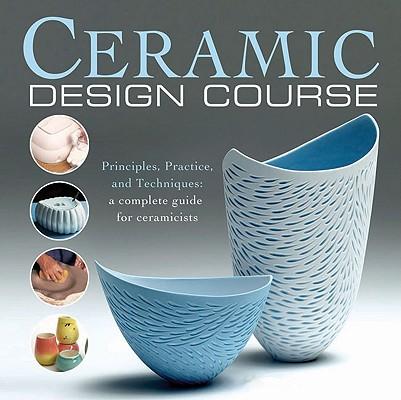
Ceramic craftsmen intent on making pottery for everyday use, as well as dedicated artisans concentrating on fine-art objects will find inspiration and practical instruction in this handsome volume. Step-by-step tutorials take readers through each stage of the ceramic-making process with--
A clearly illustrated summary of essential potter's tools Instruction on developing design concepts and making prototypes and technical drawings Making models from drawings Making sample pieces to test glazes, colors, and surfaces Final design, creation of finished pieces, and development of a portfolio for presentation to buyers Featuring practical exercises for each stage in pottery design and construction, this beautifully illustrated book is mainly intended for students planning to develop a career as professional ceramic designers--but ambitious amateur do-it-yourselfers will also find plenty of inspiration and solid instruction. The author, a noted ceramicist, covers all forms of ceramic design, both practical and sculptural. The text is complemented with more than 400 instructive and inspiring color photos.
Full Product Details
Author: Anthony Quinn
Publisher: Barron's Educational Series
Imprint: Barron's Educational Series
Dimensions:
Width: 22.20cm
, Height: 1.00cm
, Length: 22.00cm
Weight: 0.485kg
ISBN: 9780764137334
ISBN 10: 0764137336
Pages: 144
Publication Date: 01 November 2007
Audience:
General/trade
,
General
Format: Paperback
Publisher's Status: Out of Print
Availability: In Print

Limited stock is available. It will be ordered for you and shipped pending supplier's limited stock.
Reviews
This book really is a college course in ceramic design boiled down to its essentials. Studio potters and clay artists who have experienced the process of designing through trial and error, and are looking for alternatives will find helpful tips in this guide book. <p> <p> <br> After developing a design and making a maquette, you'll firm up the details with a technical drawing, using rulers, protractors, compasses and French curves. Here the book is quite helpful, explaining how to use all of these things, and what a conventional technical drawing calls for. <p> <p> <br> If you'd like to come up with something new and different for your work, or just change your process a little, this book can help you. And if you think you might actually want to try designing for industry, this is definitely the place to start. <p>— Sumi von Dassow Pottery Making Illustrated , November/December 2008 <br> <br>
This book really is a college course in ceramic design boiled down to its essentials. Studio potters and clay artists who have experienced the process of designing through trial and error, and are looking for alternatives will find helpful tips in this guide book. <p> <p> <br> After developing a design and making a maquette, you'll firm up the details with a technical drawing, using rulers, protractors, compasses and French curves. Here the book is quite helpful, explaining how to use all of these things, and what a conventional technical drawing calls for. <p> <p> <br> If you'd like to come up with something new and different for your work, or just change your process a little, this book can help you. And if you think you might actually want to try designing for industry, this is definitely the place to start. <p>-- Sumi von Dassow Pottery Making Illustrated, November/December 2008 <p><br>BR><br> For people who are not bibli
This book really is a college course in ceramic design boiled down to its essentials. Studio potters and clay artists who have experienced the process of designing through trial and error, and are looking for alternatives will find helpful tips in this guide book. After developing a design and making a maquette, you'll firm up the details with a technical drawing, using rulers, protractors, compasses and French curves. Here the book is quite helpful, explaining how to use all of these things, and what a conventional technical drawing calls for. If you'd like to come up with something new and different for your work, or just change your process a little, this book can help you. And if you think you might actually want to try designing for industry, this is definitely the place to start. -- Sumi von Dassow Pottery Making Illustrated, November/December 2008 BR> For people who are not bibli