|
|
|||
|
||||
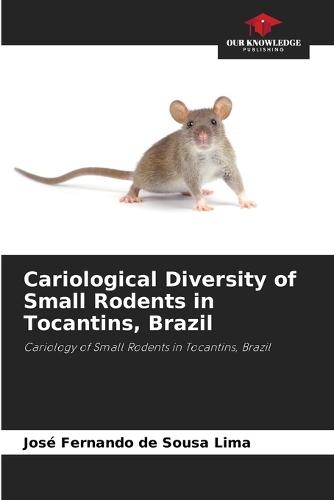
OverviewThis study was the first conducted in Brazil's newest state, Tocantins. Small rodents were collected from various types of vegetation. Chromosome preparations were subjected to conventional staining and G, C and RON banding. Chromosome differentiation was produced after treatment with ethidium bromide in some individuals. Nine genera and 12 species were karyotyped: Bolomys lasiurus (2n=34 and NA=34), Calomys tener (2n=66 and NA=66), Calomys sp.n. (2n=46 and NA=66), Nectomys rattus (2n=52, 53 and NA=52, 54), Oligoryzomys flavescens (2n=64 and NA=66), Oligoryzomys sp.n. (2n=70 and NA=76), Oryzomys megacephalus (Karyotype A with 2n=54 and NA=62; Karyotype B with 2n=52/53 and NA=58/60), Oryzomys gr. subflavus (2n=46 and NA=56), Rhipidomys macrurus (2n=44 and NA=48), all of which belong to the family Cricetidae; Proechimys roberti (2n=30 and NA=54), Trichomys apereoides (2n=30 and NA=54), are from the Echimyidae family; and Rattus rattus (2n=38 and NA=58), is from the Muridae family. Most karyotypes are similar/identical to those described in the literature. Some specimens in the sample, Calomys sp.n. and Oligoryzomys sp.n., presented unpublished karyotypes. One O.megacephalus presented a 2n variable to that of the species. Full Product DetailsAuthor: José Fernando de Sousa LimaPublisher: Our Knowledge Publishing Imprint: Our Knowledge Publishing Dimensions: Width: 15.20cm , Height: 0.70cm , Length: 22.90cm Weight: 0.177kg ISBN: 9786209738784ISBN 10: 6209738788 Pages: 124 Publication Date: 06 March 2026 Audience: General/trade , General Format: Paperback Publisher's Status: Active Availability: Available To Order We have confirmation that this item is in stock with the supplier. It will be ordered in for you and dispatched immediately. Table of ContentsReviewsAuthor InformationTab Content 6Author Website:Countries AvailableAll regions |
||||