Overview
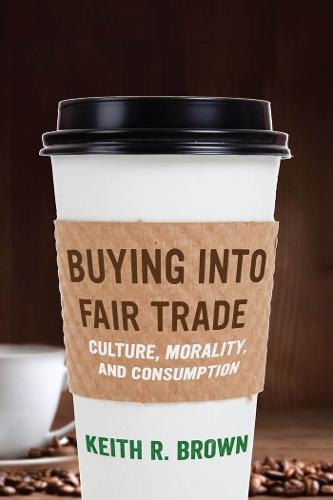
Stamped on products from coffee to handicrafts, the term ""fair trade"" has quickly become one of today's most seductive consumer buzzwords. Purportedly created through fair labor practices, or in ways that are environmentally sustainable, fair-trade products give buyers peace of mind in knowing that, in theory, how they shop can help make the world a better place. Buying into Fair Trade turns the spotlight onto this growing trend, exploring how fair-trade shoppers think about their own altruism within an increasingly global economy. Using over 100 interviews with fair-trade consumers, national leaders of the movement, coffee farmers, and artisans, author Keith Brown describes both the strategies that consumers use to confront the moral contradictions involved in trying to shop ethically and the ways shopkeepers and suppliers reconcile their need to do good with the ever-present need to turn a profit. In addition to his in-depth analysis of the fair-trade market, Brown also provides a how-to chapter that outlines strategies readers can use to appear altruistic.This chapter highlights the ways that socially responsible markets have been detached from issues of morality. A fascinating account of how consumers first learn about, understand, and sometimes ignore the ethical implications of shopping, Buying into Fair Trade sheds new light on the potential for the fair trade market to reshape the world into a more socially-just place.
Full Product Details
Author: Keith R. Brown
Publisher: New York University Press
Imprint: New York University Press
Dimensions:
Width: 15.20cm
, Height: 2.00cm
, Length: 22.90cm
Weight: 0.295kg
ISBN: 9780814725375
ISBN 10: 0814725376
Pages: 199
Publication Date: 15 April 2013
Audience:
Professional and scholarly
,
Professional & Vocational
Format: Paperback
Publisher's Status: Active
Availability: Manufactured on demand

We will order this item for you from a manufactured on demand supplier.
Reviews
The first book-length social science work to focus exclusively on the consumption side of fair trade, and as such it represents a much-needed contribution. -Daniel Jaffe, American Journal of Sociology Brown's sociologically sophisticated treatment of the symbolic, moral and practical aspects of fair trade is a significant advance over much of the literature. Highly recommended. -Juliet Schor,author of True Wealth In Buying into Fair Trade, Keith Brown explores how global consumers and entrepreneurs invest products from organic coffee beans to handmade jewelry with morality and meaning. Along the way we meet Third World reality tourists, sustainable coffee bar owners, social-justice activists, and conscientious consumers, all of whom negotiate the confusing contradictions between charity and commerce, altruism and authenticity. -David Grazian,author of Blue Chicago: The Search for Authenticity in Urban Blues Clubs Keith Brown turns a sympathetic yet critical eye on the new generation of consumers who want to buy morally rather than contribute to exploitation of indigenous producers and ruining the ecology. The ethical turn in markets is part social movement, part social construction of belief, part frontstage performance. Brown takes us inside the altruism and the contentions of this supply chain where emotions shape markets. -Randall Collins,author of Interaction Ritual Chains and Violence: A Micro-Sociological Theory Buying into Fair Trade provides readers with insights into how consumption trends shape food cultures... [The author] examines the potential of fair trade to create a more socially just world, drawing on interviews, reality tour experiences, interactions with fair-trade advocates, and volunteering at Ten Thousand Villages, a company dedicated to promoting the fair trade of products made by artisans in developing countries. -Contexts
Keith Brown turns a sympathetic yet critical eye on the new generation of consumers who want to buy morally rather than contribute to exploitation of indigenous producers and ruining the ecology. The ethical turn in markets is part social movement, part social construction of belief, part frontstage performance. Brown takes us inside the altruism and the contentions of this supply chain where emotions shape markets. -Randall Collins, author of Interaction Ritual Chains and Violence: A Micro-Sociological Theory
Keith Brown turns a sympathetic yet critical eye on the new generation of consumers who want to buy morally rather than contribute to exploitation of indigenous producers and ruining the ecology. The ethical turn in markets is part social movement, part social construction of belief, part frontstage performance. Brown takes us inside the altruism and the contentions of this supply chain where emotions shape markets. Randall Collins, author of Interaction Ritual Chains and Violence: A Micro-Sociological Theory
Author Information
Keith Brown is Professor and Chair of Sociology and Criminal Justice at Saint Joseph's University. He is the author of Buying into Fair Trade: Culture, Morality and Consumption (NYU Press, 2013).