Overview
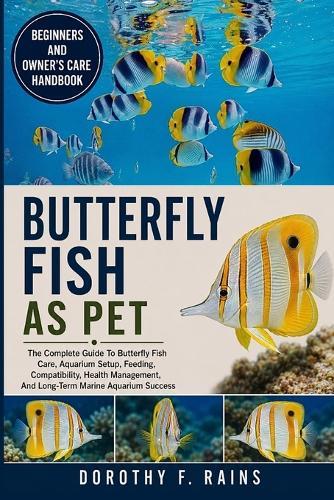
Introduction Understanding Butterfly Fish as Pets: Beauty, Responsibility, and Long-Term Care Butterfly fish have a way of stopping people in their tracks. Even a quick glance at their shape and color can feel like seeing a living piece of ocean artwork-thin, rounded bodies that move like drifting leaves, bold stripes and eye-spots that look carefully painted, and delicate snouts built for picking food from tiny places in the reef. It is easy to understand why someone would look at a butterfly fish and think, ""I want that in my aquarium."" But the same qualities that make them so mesmerizing-their specialization, their sensitivity, their close link to coral reef life-are also the reason they demand real preparation and steady commitment. Keeping butterfly fish as pets can be deeply rewarding, but it is not a casual choice. It is a long-term responsibility that asks you to build a stable marine environment, learn consistent husbandry habits, and respect the limits of what these fish can handle. They are marine animals with specific biological needs, complex behavior, and often narrow feeding preferences. When people succeed with them, it is usually because they approached the hobby with patience and a willingness to learn. When people fail, it is often because they assumed butterfly fish would thrive under the same conditions as hardier community marine fish. Understanding the difference between ""possible"" and ""ethical"" is part of being a responsible keeper. The goal is not just to keep a butterfly fish alive, but to help it live well-calm, well-fed, free from chronic stress, and supported by stable water conditions that protect its health over time. Why Butterfly Fish Attract Aquarium Keepers Butterfly fish are popular for reasons that go beyond color. Their movement is graceful, almost thoughtful. They are not fast darting fish that disappear behind rocks every time you walk by. Many butterfly fish cruise in steady patterns, exploring the aquarium as if they are inspecting every corner. Their body shape is designed for navigating reef structures, and their long snout allows them to reach into gaps where food might hide. This makes them fascinating to watch during feeding and daily activity. They also carry a sense of ""reef authenticity."" When people imagine a coral reef scene, butterfly fish are often part of that picture. In the wild, they are strongly associated with coral habitats, and many species are seen in pairs or small groups. Their look signals ""tropical ocean,"" and for many aquarists, that is exactly the atmosphere they want to bring into their home. But attraction alone is not enough. The most important step is to understand that butterfly fish are not all the same. Some are far more adaptable than others, and some are so specialized that they are poor choices for most home aquariums. If your goal is long-term success, the introduction stage is where you commit to learning which species are realistic, what setups are needed, and what daily care actually looks like. The Reality Behind the Beauty Butterfly fish tend to be more sensitive than many beginner-friendly marine fish. Sensitivity does not mean ""impossible,"" but it does mean you must do things correctly and consistently. They can react strongly to unstable water parameters, bullying tank mates, poor nutrition, sudden environmental changes, and even repeated disturbances around the tank. When a butterfly fish becomes stressed, it may stop eating, breathe faster, hide more, or develop health problems that are difficult to reverse. This is why successful butterfly fish keeping is usually built on a calm, stable routine. The tank needs to be properly cycled, water quality must be monitored and maintained, and the fish must be given a diet that matches its natural needs as closely as possible. These are not ""once in a while"" tasks. They are the foundation of the relationship between keeper and animal.
Full Product Details
Author: Dorothy F Rains
Publisher: Independently Published
Imprint: Independently Published
Dimensions:
Width: 15.20cm
, Height: 1.50cm
, Length: 22.90cm
Weight: 0.381kg
ISBN: 9798196941092
Pages: 282
Publication Date: 14 May 2026
Audience:
General/trade
,
General
Format: Paperback
Publisher's Status: Active
Availability: Available To Order

We have confirmation that this item is in stock with the supplier. It will be ordered in for you and dispatched immediately.