|
|
|||
|
||||
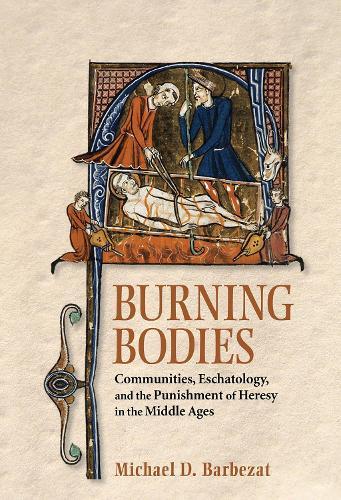
OverviewFull Product DetailsAuthor: Michael D. BarbezatPublisher: Cornell University Press Imprint: Cornell University Press Dimensions: Width: 15.20cm , Height: 2.70cm , Length: 22.90cm Weight: 0.907kg ISBN: 9781501716805ISBN 10: 1501716808 Pages: 276 Publication Date: 15 December 2018 Recommended Age: From 18 years Audience: General/trade , General Format: Hardback Publisher's Status: Active Availability: To order Stock availability from the supplier is unknown. We will order it for you and ship this item to you once it is received by us. Table of ContentsReviewsBarbezat's writing is elegant, with many admirable turns of phrase. He has covered vast territory, excavating earlier intellectual and theological foundations for a punitive violence that began at a discrete moment... It is an intellectual history, although the (largely familiar) texts often depict actual events, and Barbezat's interpretation of them is imaginative... While his book illuminates an important component within the history of medieval heresiology, it also warns us all against the enduring tendency of communities to pursue purity and to show love by excluding their heretics. * SPECULUM * A history of ideas concerning the burning of Latin Christian heretics from the eleventh to the early thirteenth century, Burning Bodies analyzes contemporary histories, polemics, letters, and sermons of Latin Christian thinkers writing about heretics and their deaths by fire in order to provide insight into how these writers defined themselves as Christians and defined Latin Christendom itself. Michael Barbezat's study is a splendid and timely contribution to what is arguably the most exciting and controversial field in medieval history. -- Mark Gregory Pegg, Washington University in St. Louis The use of burning at the stake as a punishment is one of the most striking aspects of the medieval campaign against heresy. In Burning Bodies, Michael Barbezat explores the meaning of this spectacular form of punishment and does an excellent job of showing how burning, in the eyes of the clerical elite, was part of a complex of ideas about the economy of salvation, the structure of the Christian community and the role of love in that community. -- James B. Given, University of California, Irvine Author InformationMichael David Barbezat is an Honorary Research Fellow at the University of Western Australia. Tab Content 6Author Website:Countries AvailableAll regions |
||||