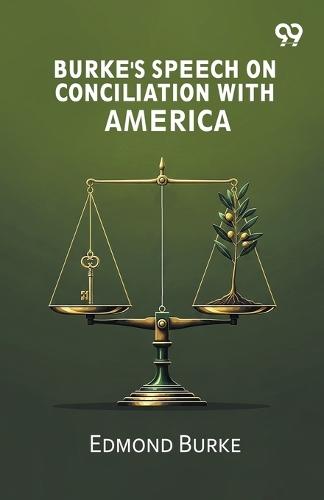
Overview
Burke's speech on Conciliation with America offers a reflective examination of the growing divide between colonies, presenting a reasoned appeal for renewed understanding during a period of intensifying unrest. The work traces the progression of dissatisfaction stemming from taxation and restrictive policies, showing how unresolved grievances deepen mistrust and unsettle political stability. It illustrates the consequences of maintaining rigid authority, emphasizing how inflexible decisions can escalate tensions rather than secure meaningful order. Through its measured tone, the oration encourages a return to policies grounded in empathy, foresight, and a willingness to acknowledge the complexities of governing a diverse empire. It promotes the idea that reconciliation is not merely a political option but a practical necessity for preserving unity and preventing further deterioration of relations. The text underscores how dialogue, thoughtful governance, and mutual respect can create conditions for lasting peace, portraying reconciliation as a transformative effort capable of fostering cooperation and shared purpose. Its overall message highlights the enduring value of compromise as a guiding principle for sustaining stability and strengthening collective bonds.
Full Product Details
Author: Edmond Burke
Publisher: Double 9 Books
Imprint: Double 9 Books
Dimensions:
Width: 14.00cm
, Height: 0.50cm
, Length: 21.60cm
Weight: 0.104kg
ISBN: 9789376396375
ISBN 10: 9376396375
Pages: 80
Publication Date: 01 November 2025
Audience:
General/trade
,
General
Format: Paperback
Publisher's Status: Active
Availability: Available To Order

We have confirmation that this item is in stock with the supplier. It will be ordered in for you and dispatched immediately.
Author Information
Edmund Burke was an Anglo Irish writer, philosopher, and politician whose work shaped the foundations of modern conservatism through an emphasis on continuity, moral responsibility, and the value of established institutions. Born on 12 January 1729 in Dublin, he received his education at Trinity College Dublin from 1744 to 1748, an experience that helped develop his interest in reasoned debate, ethical reflection, and public service. His later political career in the Whig party reflected his belief in balanced governance, measured reform, and the careful preservation of long standing social structures. Burke consistently highlighted how historical experience guides prudent decision making and argued that societies flourish when grounded in steady principles rather than impulsive change. His personal life included his marriage to Jane Mary Nugent in 1757, a partnership that lasted until his death in 1797, and the upbringing of his son Richard Burke Jr, which reinforced his commitment to continuity and duty. Burke's writings and political actions demonstrate how thoughtful judgment, restraint, and respect for inherited wisdom can support civic stability and promote the collective wellbeing of communities.