Overview
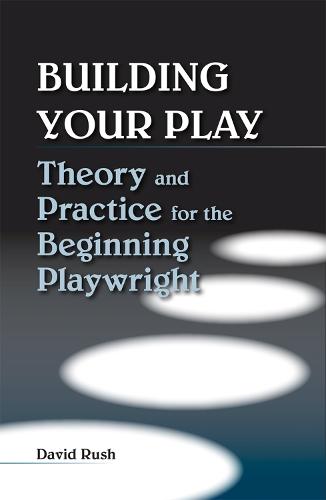
David Rush takes beginning playwrights through the first draft of a play and deep into the revision process. Drawing on examples from such classics as Othello and The Glass Menagerie, Rush provides detailed models for writers to evaluate their work for weaknesses and focus on the in-depth development of their plays. Rush encourages writers to make sure their plays are clear and focused. He shows how to keep plays dramatically compelling and offers ways to avoid common mistakes that make them dull, confusing, or ineffective. He then distills the essence of traditional revision into key questions and discusses frequently overlooked tools, terms, and strategies that go beyond established methods of evaluation.
Full Product Details
Author: David Rush
Publisher: Southern Illinois University Press
Imprint: Southern Illinois University Press
Dimensions:
Width: 13.70cm
, Height: 1.50cm
, Length: 21.00cm
Weight: 0.238kg
ISBN: 9780809329595
ISBN 10: 080932959
Pages: 144
Publication Date: 30 June 2010
Audience:
Professional and scholarly
,
Professional & Vocational
Format: Paperback
Publisher's Status: Active
Availability: Temporarily unavailable

The supplier advises that this item is temporarily unavailable. It will be ordered for you and placed on backorder. Once it does come back in stock, we will ship it out to you.
Reviews
Author Rush, a college playwrighting teacher and the author of several produced plays, has created a masterful textbook for playwrights. He gives the basics of the craft in clear, simple language. He is teacherly in his tone, but he never condescends. Building Your Play provides step-by-step instructions in the readable and useful way we all wish the manuals for installing new software or putting together new lawnmowers would do. The subtitle refers to beginning playwrights, but the book would be a valuable addition to the library of anyone who sets out to write a play--even for those who have done it before. The book's glossary is a good tool both for understanding the lessons and for understanding the craft. Rush focuses on conventionally structured stage plays. The art of writing plays for the theater, he explains, is not at all the same as that used in writing movie scripts or novels. As he points out, many neophyte playwrights attempt to use stage directions to bridge the gap between what is possible in a theater, and the grandiose panoramas that fill a movie screen. ""Audiences,"" he tells his readers, ""are only able to understand what they are able to see or hear."" Rush presents exercises and mini-assignments that can be completed by the individual reader or used in a group or classroom context. For example, he offers a set of characters and a situation and asks the reader to build a scene around them. He then, in a later chapter, refers back to the earlier exercise and suggests guidelines for the revision and refocusing of the scene. His exercises not only guide the new playwright, but some of them, such as making a list of 10 strategies a character might try to achieve a goal, can help the more advanced playwright deal with the dreaded ""writers' block."" The author dissects texts, from familiar nursery rhymes to well-known plays, without ever losing our attention or his own enthusiasm. A major point in Rush's system is the search for the ""Agent of Action."" The agent of action is not always the same as the central character, as we learn by looking at the children's rhyme ""Humpty Dumpty"" and Shakespeare's play Othello. Humpty didn't do anything but fall; it was the king's horses and men who did all the work. Othello was simply swept along by a plot set in motion by agent of action, Iago. The book's view of script analysis makes it a worthwhile reference for student actors as well as for student playwrights. Reviewer Martin A. David is an actor, author, and playwright. He is currently teaching acting at the respected Shelton Studios acting school in San Francisco. --Martin A. David ""New York Journal of Books"" (8/14/2010 12:00:00 AM) ""This book is a clearly articulated structural analysis of how conventionally constructed plays work and how to use that knowledge in addressing the struggles inherent in the crafting of one's own work.""--Paul Meshejian, artistic director of PlayPenn, an annual conference for the development of new plays ""With a focus on the beginning writer, Rush's [book] about playwriting is distinctive and worthy of consideration for any teacher of dramatic writing looking for a textbook or for any young writer seeking a welcoming, experienced voice and a friendly, knowledgeable guide to accompany her/him in writing a first play.""--Theatre Topics
Author Rush, a college playwrighting teacher and the author of several produced plays, has created a masterful textbook for playwrights. He gives the basics of the craft in clear, simple language. He is teacherly in his tone, but he never condescends. Building Your Play provides step-by-step instructions in the readable and useful way we all wish the manuals for installing new software or putting together new lawnmowers would do. The subtitle refers to beginning playwrights, but the book would be a valuable addition to the library of anyone who sets out to write a play even for those who have done it before. The book s glossary is a good tool both for understanding the lessons and for understanding the craft. Rush focuses on conventionally structured stage plays. The art of writing plays for the theater, he explains, is not at all the same as that used in writing movie scripts or novels. As he points out, many neophyte playwrights attempt to use stage directions to bridge the gap between what is possible in a theater, and the grandiose panoramas that fill a movie screen. Audiences, he tells his readers, are only able to understand what they are able to see or hear. Rush presents exercises and mini-assignments that can be completed by the individual reader or used in a group or classroom context. For example, he offers a set of characters and a situation and asks the reader to build a scene around them. He then, in a later chapter, refers back to the earlier exercise and suggests guidelines for the revision and refocusing of the scene. His exercises not only guide the new playwright, but some of them, such as making a list of 10 strategies a character might try to achieve a goal, can help the more advanced playwright deal with the dreaded writers block. The author dissects texts, from familiar nursery rhymes to well-known plays, without ever losing our attention or his own enthusiasm. A major point in Rush s system is the search for the Agent of Action. The agent of action is not always the same as the central character, as we learn by looking at the children s rhyme Humpty Dumpty and Shakespeare s play Othello. Humpty didn t do anything but fall; it was the king s horses and men who did all the work. Othello was simply swept along by a plot set in motion by agent of action, Iago. The book s view of script analysis makes it a worthwhile reference for student actors as well as for student playwrights. Reviewer Martin A. David is an actor, author, and playwright. He is currently teaching acting at the respected Shelton Studios acting school in San Francisco. --Martin A. David New York Journal of Books (08/14/2010)
Author Rush, a college playwrighting teacher and the author of several produced plays, has created a masterful textbook for playwrights. He gives the basics of the craft in clear, simple language. He is teacherly in his tone, but he never condescends. Building Your Play provides step-by-step instructions in the readable and useful way we all wish the manuals for installing new software or putting together new lawnmowers would do. <br> The subtitle refers to beginning playwrights, but the book would be a valuable addition to the library of anyone who sets out to write a play--even for those who have done it before. The book's glossary is a good tool both for understanding the lessons and for understanding the craft. <br> Rush focuses on conventionally structured stage plays. The art of writing plays for the theater, he explains, is not at all the same as that used in writing movie scripts or novels. As he points out, many neophyte playwrights attempt to use stage directions to bridge the gap between what is possible in a theater, and the grandiose panoramas that fill a movie screen. Audiences, he tells his readers, are only able to understand what they are able to see or hear. <br> Rush presents exercises and mini-assignments that can be completed by the individual reader or used in a group or classroom context. For example, he offers a set of characters and a situation and asks the reader to build a scene around them. He then, in a later chapter, refers back to the earlier exercise and suggests guidelines for the revision and refocusing of the scene. His exercises not only guide the new playwright, but some of them, such as making a list of 10 strategies a character might try to achieve a goal, can help the more advanced playwright deal with the dreaded writers' block. <br> The author dissects texts, from familiar nursery rhymes to well-known plays, without ever losing our attention or his own enthusiasm. A major point in Rush's system is the searc
Author Rush, a college playwrighting teacher and the author of several produced plays, has created a masterful textbook for playwrights. He gives the basics of the craft in clear, simple language. He is teacherly in his tone, but he never condescends. Building Your Play provides step-by-step instructions in the readable and useful way we all wish the manuals for installing new software or putting together new lawnmowers would do. <br> The subtitle refers to beginning playwrights, but the book would be a valuable addition to the library of anyone who sets out to write a play--even for those who have done it before. The book's glossary is a good tool both for understanding the lessons and for understanding the craft. <br> Rush focuses on conventionally structured stage plays. The art of writing plays for the theater, he explains, is not at all the same as that used in writing movie scripts or novels. As he points out, many neophyte playwrights attempt to use stage directions to bri
Author Information
David Rush is an associate professor of theatre at Southern Illinois University Carbondale, where he has taught play analysis for over nine years. Named 2002 Playwriting Teacher of the Year by the Association for Theatre in Higher Education, Rush is a Resident Writer Emeritus of the Chicago Dramatists and an ensemble member at the Stage Left Theater in Chicago. He has written over twenty plays and musicals, including Germinous Seeds, Cuttings (2003), Police Deaf Near Far (2000), Dapples & Grays (1994), and Leander Stillwell (1992).