|
|
|||
|
||||
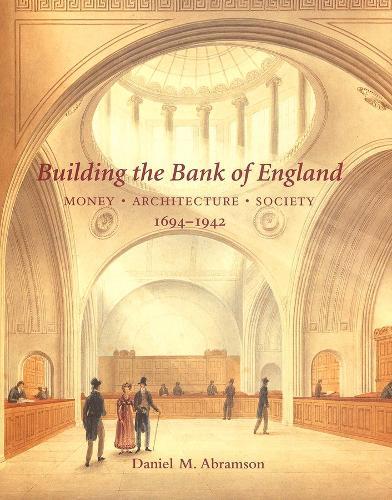
OverviewThe Bank of England symbolizes the economic strength, influence, and potency of Britain. Founded in 1694, its world-famous buildings were built and rebuilt four times by different architects, most notably Sir John Soane. The Bank's three-and-aquarter-acre complex has included elegant public banking halls and private offices, courtyards and gardens, warehouses and vaults, residential apartments and guards' barracks. This lavishly illustrated book examines for the first time the entire architectural history of the Bank from the seventeenth through the twentieth centuries. Drawing on a variety of perspectives, the book relates the history of the Bank of England to current debates on English economic, social, and urban history, including issues of national identity, mercantile politics, and the commercialization of culture. The book also shows how the building itself has expressed various historical tensions among the Bank's inhabitants and publics: its directors and detractors, its clerks and clientele, its tourists, and even its mob attackers. Full Product DetailsAuthor: Daniel M AbramsonPublisher: Yale University Press Imprint: Yale University Press Dimensions: Width: 25.40cm , Height: 0.20cm , Length: 30.50cm Weight: 1.973kg ISBN: 9780300109245ISBN 10: 0300109245 Pages: 320 Publication Date: 10 November 2005 Audience: College/higher education , Professional and scholarly , Undergraduate , Postgraduate, Research & Scholarly Format: Hardback Publisher's Status: Out of Print Availability: Awaiting stock Table of ContentsReviewsA major undertaking . . . this volume will stand as a standard in the study of architecture for some time to come. -- Art Times <p> A major undertaking . . . this volume will stand as a standard in the study of architecture for some time to come. -- Art Times Author InformationDaniel M. Abramson is associate professor of architectural history and director of architectural studies at Tufts University. Tab Content 6Author Website:Countries AvailableAll regions |
||||