Overview
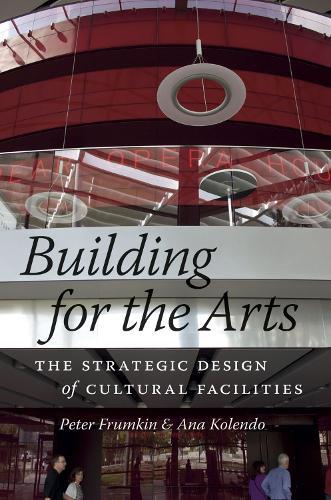
Over the past two decades, the arts in America have experienced an unprecedented building boom, with more than sixteen billion dollars directed to the building, expansion, and renovation of museums, theaters, symphony halls, opera houses, and centers for the visual and performing arts. Among the projects that emerged from the boom were many brilliant successes. Others, like the striking addition of the Quadracci Pavilion to the Milwaukee Art Museum, brought international renown but also tens of millions of dollars of off-budget debt while offering scarce additional benefit to the arts and embodying the cultural sector's worst fears that the arts themselves were being displaced by the big, status-driven architecture projects built to contain them. With Building for the Arts, Peter Frumkin and Ana Kolendo explore how artistic vision, funding partnerships, and institutional culture work together-or fail to-throughout the process of major cultural construction projects. Drawing on detailed case studies and in-depth interviews at museums and other cultural institutions varying in size and funding arrangements, including the Art Institute of Chicago, Atlanta Opera, and AT&T Performing Arts Center in Dallas, Frumkin and Kolendo analyze the decision-making considerations and challenges and identify four factors whose alignment characterizes the most successful and sustainable of the projects discussed: institutional requirements, capacity of the institution to manage the project while maintaining ongoing operations, community interest and support, and sufficient sources of funding. How and whether these factors are strategically aligned in the design and execution of a building initiative, the authors argue, can lead an organization to either thrive or fail. The book closes with an analysis of specific tactics that can enhance the chances of a project's success. A practical guide grounded in the latest scholarship on nonprofit strategy and governance, Building for the Arts will be an invaluable resource for professional arts staff and management, trustees of arts organizations, development professionals, and donors, as well as those who study and seek to understand them.
Full Product Details
Author: Peter Frumkin ,
Ana Kolendo
Publisher: The University of Chicago Press
Imprint: University of Chicago Press
Dimensions:
Width: 1.70cm
, Height: 0.20cm
, Length: 2.30cm
Weight: 0.510kg
ISBN: 9780226099613
ISBN 10: 022609961
Pages: 288
Publication Date: 06 March 2014
Audience:
General/trade
,
General
Format: Hardback
Publisher's Status: Active
Availability: Out of stock

The supplier is temporarily out of stock of this item. It will be ordered for you on backorder and shipped when it becomes available.
Reviews
Freakonomics meets facilities planning. Through incisive case studies and insightful analysis of decision making, Peter Frumkin and Ana Kolendo shine a bright light on why cultural building projects often go awry and show how a deeper (and earlier) understanding of the logic of the situation can contribute to happier endings. Important reading for anyone--professional, board member, or funder--who comes within a mile of one of these demanding, multifaceted projects. --Adrian Ellis, AEA Consulting
Author Information
Peter Frumkin is professor of social policy and faculty director of the Center for High Impact Philanthropy at the University of Pennsylvania. He is the author of Strategic Giving and The Essence of Strategic Giving, both also published by the University of Chicago Press. Ana Kolendo is a research fellow at the Center for High Impact Philanthropy at the University of Pennsylvania.