|
|
|||
|
||||
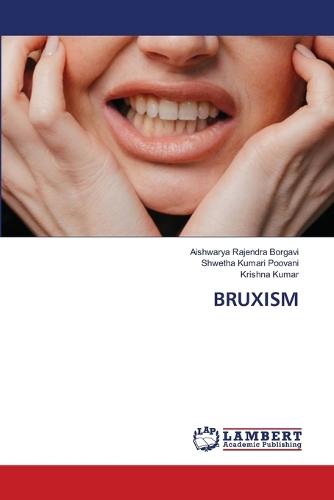
OverviewBruxism is a common parafunctional activity involving involuntary clenching or grinding of teeth, which can occur during sleep (sleep bruxism) or while awake (awake bruxism), and affects individuals across all age groups. The condition has a multifactorial etiology encompassing psychological stress, neurochemical imbalances, sleep disturbances, genetic predisposition, and, to a lesser extent, morphological or occlusal factors. Historically, it was thought to be caused mainly by dental malocclusion, but contemporary research emphasizes the dominant role of central nervous system mechanisms and psychosocial stressors. Sleep bruxism is now classified as a sleep-related movement disorder linked to micro-arousals and heightened sympathetic activity, often involving rhythmic masticatory muscle activity during light non-REM sleep. Awake bruxism, on the other hand, is more closely related to conscious or subconscious stress responses and behavioral habits. Studies using electromyography and polysomnography have been crucial in advancing understanding of bruxism's pathophysiology, while imaging and neurophysiological tools reveal involvement of neurotransmitters like dopamine and serotonin. Full Product DetailsAuthor: Aishwarya Rajendra Borgavi , Shwetha Kumari Poovani , Krishna KumarPublisher: LAP Lambert Academic Publishing Imprint: LAP Lambert Academic Publishing Dimensions: Width: 15.20cm , Height: 0.80cm , Length: 22.90cm Weight: 0.195kg ISBN: 9786208452278ISBN 10: 6208452279 Pages: 140 Publication Date: 08 July 2025 Audience: General/trade , General Format: Paperback Publisher's Status: Active Availability: Available To Order We have confirmation that this item is in stock with the supplier. It will be ordered in for you and dispatched immediately. Table of ContentsReviewsAuthor InformationTab Content 6Author Website:Countries AvailableAll regions |
||||