|
|
|||
|
||||
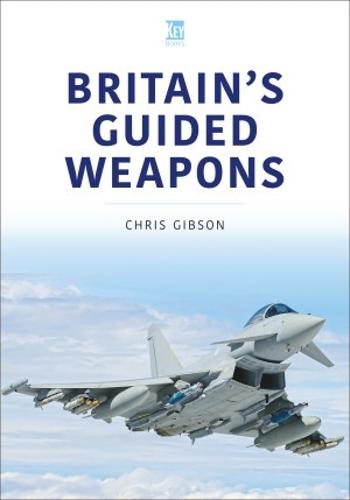
OverviewBritain has been at the forefront of weapons technology since the industrial revolution began and, with the Brennan wire-guided torpedo, pioneered guided weapons. World War One saw several developments, but it was during World War Two that Britain's scientists laid the foundations for a guided weapons industry that continues to this day. Ultimately, the early guided weapons gave Britain's armed forces valuable experience in operating the weapons. Sea Vixens, Javelins and Lightnings were armed with Firestreak and Red Top, while Vulcans and Victors carried Blue Steel, the UK's nuclear deterrent. The Army fielded weapons such as Thunderbird, Rapier, Corporal and Lance. Navy submarines carried Polaris and Trident, while surface ships had Sea Dart, Sea Wolf, Exocet and Harpoon. From this solid foundation, the aerospace companies merged and collaborated, with lessons learned from the earlier weapons paving the way for a new generation of weapons: Skyflash, Meteor, ASRAAM, Brimstone and Storm Shadow arm the Tornado, Typhoon and Lightning; Sea Viper and Sea Ceptor protect the Navy; and Sky Sword defends the Army. With over 140 images, this book relates the history of these weapons and how Britain operates some of the finest guided weapons available today. Full Product DetailsAuthor: Chris GibsonPublisher: Key Publishing Ltd Imprint: Key Publishing Ltd ISBN: 9781802823233ISBN 10: 1802823239 Pages: 96 Publication Date: 08 November 2022 Audience: General/trade , General Format: Paperback Publisher's Status: Active Availability: In Print This item will be ordered in for you from one of our suppliers. Upon receipt, we will promptly dispatch it out to you. For in store availability, please contact us. Table of ContentsReviewsAuthor InformationEducated at Auchinleck Academy in Ayrshire, Chris Gibson read Geology and Mineralogy at University of Aberdeen, graduating with Honours in 1984. Chris has worked in the oil exploration industry since 1985 and his work has taken him all over the world, with the added bonus of the occasional glimpse of unusual aircraft. In 1978, his interest in aircraft took Chris into the Royal Observer Corps where he represented his group, area and country in aircraft recognition competitions between 1980 and 1991. On the standing down of the ROC in 1991, Chris began researching historical aviation and has written several books on unbuilt projects, particularly guided weapons, transports and airborne early warning. Chris and his wife, Kirsten, live in the North East of England. Tab Content 6Author Website:Countries AvailableAll regions |
||||