Overview
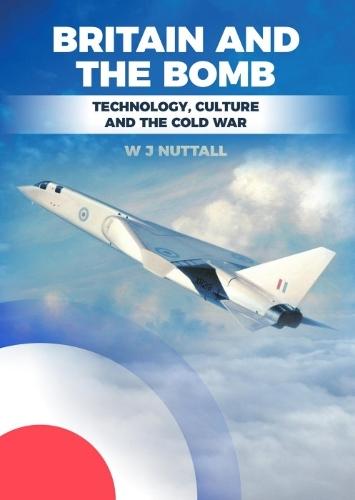
This is a very British story from more than 50 years ago. It is a story of remarkable technological ambition from a different country than is seen today. It was an era in which the country adjusted to decolonisation and a dangerous nuclear arms race close to home. The maturing Cold War engineers of the British aviation industry sought to outdo the nationally-celebrated and frankly propagandised achievements of their fathers’ generation. Meanwhile, black and white post-war austerity was being replaced by the colour and rhythms of the swinging sixties. For everyone, engineers or otherwise, the country was changing fast. Britain and the Bomb tells one of the great British stories from the Cold War – the transition of the nuclear deterrent from the Royal Air Force to the Royal Navy. The author draws upon insights from the laboratories, the military, popular culture and from politicians to make sense of a complex time and to challenge some widely-held perceptions that Britain in the 1960s lost her technical ambition and ability. Rather than industrial chaos and short-termist leadership, there is instead a story of shrewd, but pragmatic, moves in the chess game that was the Cold War. The author looks at how Britain saw the role of nuclear weapons, providing insights for the decisions that now lie ahead for Britain in the twenty-first century. The story pivots around a single day in April 1965. The recently-established Labour government very publicly cancelled the much-vaunted TSR2 nuclear strike bomber, causing dismay among aviation enthusiasts. The passing decades have done little to diminish the controversy and a pervasive sense of nostalgic melancholy about a lost Britain. What really happened to the TSR2 and more importantly what happened in the years that followed? By taking a wider view, the merit of the 1965 decision is apparent, providing better understanding of the even bolder and more ambitious decisions that were needed into the 1970s. Those bold actions were once highly secret and are still not widely-known or understood. While Britain very publicly cancelled her strike bomber ambitions she very secretly pursued a different nuclear weapons project: the ‘Chevaline’ upgrade of the submarine-based nuclear deterrent. That engineering success deserves to be remembered. This is a fascinating book that takes us back to a time of British boffins, supersonic test pilots, mods, rockers and Cold War spies.
Full Product Details
Author: W J Nuttall ,
Rt Hon Lord Owen
Publisher: Porto Press Ltd
Imprint: Whittles Publishing
Dimensions:
Width: 17.00cm
, Height: 1.30cm
, Length: 24.00cm
Weight: 0.610kg
ISBN: 9781849953894
ISBN 10: 1849953899
Pages: 240
Publication Date: 11 September 2019
Audience:
General/trade
,
General
Format: Paperback
Publisher's Status: Active
Availability: In Print

This item will be ordered in for you from one of our suppliers. Upon receipt, we will promptly dispatch it out to you. For in store availability, please contact us.
Reviews
'W.J. Nuttall's fascinating account of technology and culture surrounding one often overlooked aspect of the Cold War: the nuclear strike bomber TSR2, which in April 1965 was cancelled by the Labour government. ... Where Nuttall excels is by placing the Cold War in a social and technological context that invites the reader to come to a closer understanding of why this complex aspect of recent history...is so important. It's also a vital parable for our time'. E&T, Engineering and Technology
Author Information
William J Nuttall is Professor of Energy Policy and Transformation at the University of Bristol.