Overview
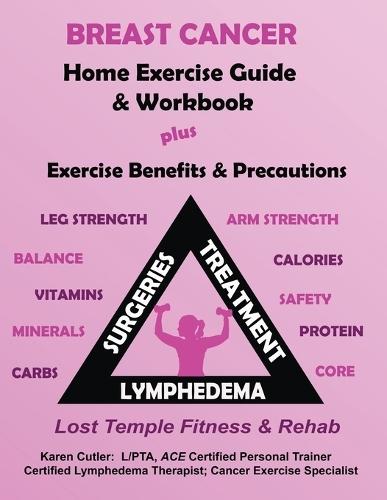
It is beneficial for people who are currently undergoing treatment for cancer or survivors to engage in an exercise program. As shown in the second part of this book, exercise can help with endurance, muscle strengthening and flexibility. It is advised that you glance through the chapters Safety First and Components of a Conditioning Program, before starting an exercise program. There are hundreds of pictures for beginner, intermediate and advanced exercise programs, as well as a list of equipment that you can use in the home. This section also includes worksheets and exercise precautions for those at risk for peripheral neuropathy or lymphedema. Although this book is focused on breast cancer, most of the recommendations can be applied to other cancers, regarding side effects or late effects with treatments, such as radiation and chemotherapy. The majority of the research is from the National Cancer Institute Please see References. This book is for: Those that currently have or are cancer survivors that: Are currently or may have had treatments, such as chemotherapy or radiation Are planning or have had surgeries and/or at risk for lymphedema or peripheral neuropathy The beginner who has never exercised before or the individual that has mastered the basics but wants to know how to advance to the next level. The personal trainer, physical therapist, or other coaches who would like to know more about precautions with cancer patients or clients. This book is not for or may need modification: Chronic or acute disorders/injuries that is not being followed by a health care professional. This book can be used in conjunction with a rehab program. If you are over 40 and have never exercised before, it is advised that a physician clears you first. Undiagnosed pain. The person that does not feel they can safely modify their individual program, although can be used in conjunction with rehab or coaches/personal trainers. People going through current treatments, lymphedema or other medical issues that have not been cleared by an MD for an exercise program. Other issues that may be addressed in future volumes: Cancer, Cardiac Disease, Respiratory Disease, Arthritis & Osteoporosis and Diabetes. What is covered in this book? Cancer / Breast Cancer / Lymphedema Breast Cancer: What is breast cancer? Breast Cancer Types Screening Pathology Staging Prognostic Markers Genes Breast Surgeries Breast Reconstruction Breast Implants and Tissue Expanders Tissue Flap Surgery Sentinel And Axillary Lymph Nodes / Dissection Lymph Nodes and Lymphedema Risks After Breast Surgery Home Exercise Program & Worksheets. Myofascial release Flexibility - Stretching Core Stability Strengthening - Lower extremity (Lying and Seated) and Upper extremity Balance with progression to Standing Strengthening exercises Agility and Endurance Benefits and Factors to consider before starting an exercise program Vital signs and how to monitor exercise intensity Temperature - Heat and Cold; Dehydration Equipment needed for home exercise Warm up/cool down Duration, Frequency, Intensity and Primary Movement Patterns Anatomy Self-tests
Full Product Details
Author: Karen Cutler
Publisher: Lost Temple Fitness, LLC
Imprint: Lost Temple Fitness, LLC
Dimensions:
Width: 21.60cm
, Height: 2.00cm
, Length: 27.90cm
Weight: 0.894kg
ISBN: 9781969456060
ISBN 10: 196945606
Pages: 386
Publication Date: 12 September 2025
Audience:
General/trade
,
General
Format: Paperback
Publisher's Status: Active
Availability: Available To Order

We have confirmation that this item is in stock with the supplier. It will be ordered in for you and dispatched immediately.