Overview
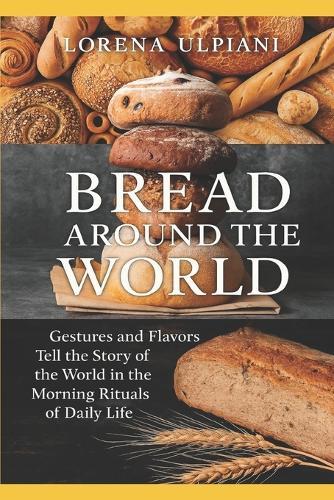
Bread is much more than food: it is a story that rises with time, a tale carried across continents and centuries. In these chapters, I've gathered some of the most iconic expressions of breadmaking from Europe and the Americas-ranging from Parisian bakeries to the stone grates of Indigenous Canadian communities, from Mexican celebrations to the rural fields of Ireland. Each of these loaves expresses the identity of a people, the rhythm of the seasons, the resilience of hard times, and the joy of sharing. The French baguette, with its crisp crust and soft interior, has become a symbol of the simple elegance of French cuisine. Interestingly, it was born from a 1920 law banning bakers from working before 4 a.m., prompting a need for quick, fresh bread for breakfast. In 2022, UNESCO declared it Intangible Cultural Heritage. Across the Alps, Italy responded with the rustic, airy ciabatta-generous in crumb and character. Created in 1982 by Arnaldo Cavallari and Francesco Favaron in Adria, Veneto, it soon became a European alternative to the baguette. In the British Isles, Irish soda bread speaks of humble tables and resilience. It emerged during the 19th-century potato famine, when yeast was scarce and baking soda served as a leavening agent. The cross on its top aided baking and was believed to protect the home. In the Scottish Highlands, bannock is a flatbread once cooked on stones or pans. During my travels, I encountered its powerful revival in Indigenous Canadian communities, where it has become a symbol of cultural identity. Sometimes fried or filled, it is often shared during everyday and spiritual gatherings. I vividly remember the scent of flour and wood smoke during a communal event in the Northwest Territories, where I prepared traditional bannock on a hot griddle with Cree families-just a few ingredients, but immense depth of flavor. In Finland, bread takes the form of delicate karjalanpiirakka-rye shells filled with rice cooked in milk. These small pastries embody hospitality and care, often served with munavoi (eggs and butter) beneath snowy skies. Hungary offers the comforting lángos, a soft, fried bread whose name means ""flame."" Originally baked in wood oven ashes, lángos is now a street food favorite, topped with cheese, sour cream, or jam. Across the ocean, I discovered Pan de Agua in the Dominican Republic: light, fragrant, and eaten all day-from breakfast with butter to lunch with avocado. Though inspired by European techniques, it has embraced the sunlit soul of the Caribbean. In Mexico, Pan de Muerto is a sweet bread that speaks to the soul. I remember being in a Morelos kitchen during Día de los Muertos preparations: the scent of orange blossom and sugar, the hands shaping dough into bones and tears-symbols of mourning and rebirth. The bread, fragrant and tender, was placed on the ofrenda, a home altar to honor the dead. Nearby, the bolillo tells of cultural exchange. Resembling a baguette but softer and rounder, it forms the base of beloved dishes like tortas and pambazos. Every morning, lines form outside panaderías to bring home warm bread. These loaves are more than recipes-they are cultural mirrors. They are voices of men and women who knead memory, hunger, celebration, and silence into dough. I've had the privilege to learn many of these traditions firsthand during my travels through Europe and the Americas. Some I kneaded side by side with locals-like pan de muerto in Morelos, or bannock by the fire with Cree families in northern Canada. Others I discovered at sunrise in busy markets or recreated at home, guided by the memory of the hands that taught me. This chapter is a journey through wheat, rye, corn, stones, firewood, ovens, and frying pans-a celebration of humankind's remarkable ability to turn soil into nourishment, and nourishment into cultur
Full Product Details
Author: Lorena Ulpiani
Publisher: Independently Published
Imprint: Independently Published
Volume: 2
Dimensions:
Width: 15.20cm
, Height: 0.80cm
, Length: 22.90cm
Weight: 0.200kg
ISBN: 9798288317330
Pages: 142
Publication Date: 16 June 2025
Audience:
General/trade
,
General
Format: Paperback
Publisher's Status: Active
Availability: Available To Order

We have confirmation that this item is in stock with the supplier. It will be ordered in for you and dispatched immediately.