|
|
|||
|
||||
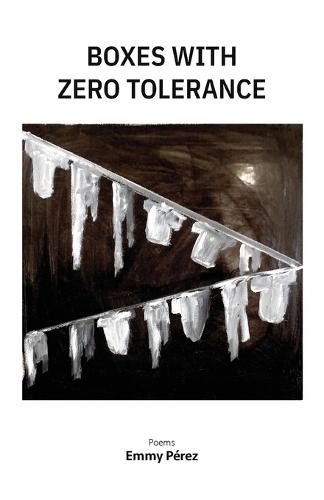
OverviewIn this exploration of cultural roots, family bonds, parenthood, human rights, and freedom, Pérez writes from a border community member's perspective about the Zero Tolerance policies that separated thousands of children from their families crossing into the U.S. and without a viable tracking system in place. In many ways, this is an anti-heroic [un]crown[ing] of American sonnets, uncrowning the administration that created and implemented these cruel policies that continue today with other policies and actions. Even as the work uncrowns, it is also an attempt, through the writing of this work, to ""crown"" or affirm humanity and human rights during these turbulent times and always. This work acknowledges that many may feel their literary art cannot effect social change, and who has the ""right"" to speak on any issue at all, but ultimately suggests that to remain silent about what is happening in our communities is not a solution either. Full Product DetailsAuthor: Emmy PérezPublisher: Mouthfeel Press Imprint: Mouthfeel Press Dimensions: Width: 14.00cm , Height: 0.20cm , Length: 21.60cm Weight: 0.054kg ISBN: 9781957840482ISBN 10: 195784048 Pages: 36 Publication Date: 17 September 2025 Audience: General/trade , General Format: Paperback Publisher's Status: Active Availability: Available To Order We have confirmation that this item is in stock with the supplier. It will be ordered in for you and dispatched immediately. Table of ContentsReviewsEmmy Pérez's harrowing, beautiful sonnet sequence takes up the long question of what poetry can do in the face of deep suffering. Witnessing the escalation of border violences, she tells us: ""If they built their wall near you, you'd think / music left for rhetoric too."" Pérez wrestles with the monarchy inherent in a ""crown"" of sonnets, undoing the container of the inherited form-those boxes-while showing how the real-world boxes built by the census, ICE, and empire work to erase and deform human experience. Her lines hurt in the way they should, in the way that borders do. In a country with ""signatures more 'legal' than // people,"" who is listened to? who is seen as needing comfort? who is recognized as fully human? While her work invites us into witness and empathy, the poem knows it is a waystation. Its ultimate hope is for a world where immigrants and survivors have the agency to tell their own stories. I would be grateful for this stunning chapbook at any time. Right now, it feels like a deep call to notice, to care, to sing, and to protest. -Sasha West, author of How to Abandon Ship Author InformationTab Content 6Author Website:Countries AvailableAll regions |
||||