|
|
|||
|
||||
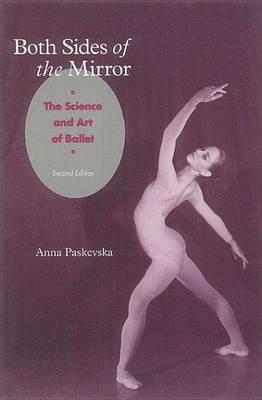
OverviewBoth Sides of the Mirror starts with the premise that skeletal equilibrium promotes harmonious musculature, which in turn makes harmonious movement possible. Early training establishes neuromuscular patterns that form the foundation of later technique. If the training is sound, the young student may become a graceful dancer who is challenged to extend technical skills further and further. This second edition, published in 1992, incorporates kinesiology, biomechanics and physiology into the theories of ballet. Paskevska places the technical explanations within the spirit of the art form. The book contains material on the progression of training, which it uses to illustrate the possibilities and limitations of the body while cultivating balanced self-awareness for dance students and performing artists. Chapters include: Introduction: A Personal Statement; Physical Requirements; Posture and Placement; Progression of Training; Sequence of a Ballet Class; Barre Work; Positions; Port de Bras and Arabesques; Weight Transference and Jumps; Principles of Turning; Pointe Work; Style; Classical and Modern Dance. Includes 47 illustrations. Full Product DetailsAuthor: Chair of the Dance Department Anna Paskevska (Chicago Academy for the Arts)Publisher: Princeton Book Company Imprint: Princeton Book Company ISBN: 9781306036269ISBN 10: 1306036267 Pages: 210 Publication Date: 01 January 2004 Audience: General/trade , General Format: Electronic book text Publisher's Status: Active Availability: Available To Order We have confirmation that this item is in stock with the supplier. It will be ordered in for you and dispatched immediately. Table of ContentsReviewsAuthor InformationTab Content 6Author Website:Countries AvailableAll regions |
||||