|
|
|||
|
||||
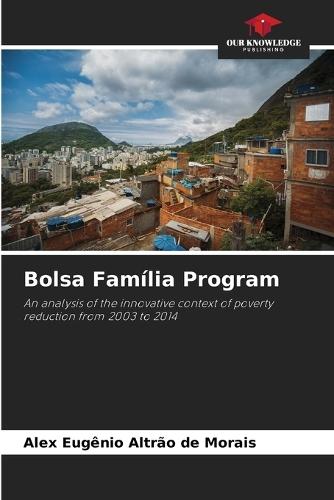
OverviewThe social history of the world is constantly being challenged by the multidimensional phenomenon of poverty in all countries. In this way, the search for effective solutions, by reducing the absolute numbers of vulnerable families, is constantly based on direct income transfer programs. Consequently, the aim of this concluding paper is to demonstrate how the Brazilian federal government, by reformulating the concept of welfare, has been able to achieve a reduction in the population's social restrictions. Based on these premises, it uses theoretical and historical foundations to point out a retrospective of poverty in Brazil, the chronological process of income transfer programs in the world, Latin America and Brazil and a conceptualization pertinent to the Bolsa Família Program. At the end of the research, the conclusion is that the program has reformulated an ideal way out for families in abnormal survival conditions, but it still makes clear the need for persistent investment in job creation, greater income distribution and incentives to increase national production. Full Product DetailsAuthor: Alex Eugênio Altrão de MoraisPublisher: Our Knowledge Publishing Imprint: Our Knowledge Publishing Dimensions: Width: 15.20cm , Height: 0.50cm , Length: 22.90cm Weight: 0.141kg ISBN: 9786208167943ISBN 10: 6208167949 Pages: 88 Publication Date: 09 October 2024 Audience: General/trade , General Format: Paperback Publisher's Status: Active Availability: Available To Order We have confirmation that this item is in stock with the supplier. It will be ordered in for you and dispatched immediately. Table of ContentsReviewsAuthor InformationTab Content 6Author Website:Countries AvailableAll regions |
||||