Overview
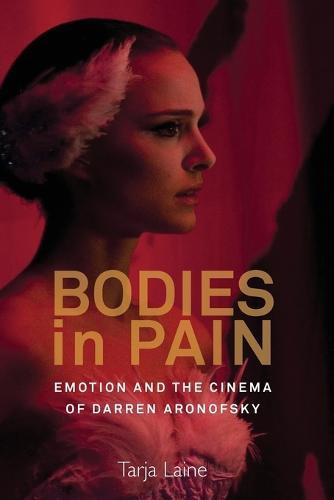
The films of Darren Aronofsky invite emotional engagement by means of affective resonance between the film and the spectator’s lived body. Aronofsky’s films, which include a rich range of production from Requiem for a Dream to Black Swan, are often considered “cerebral” because they explore topics like mathematics, madness, hallucinations, obsessions, social anxiety, addiction, psychosis, schizophrenia, and neuroscience. Yet this interest in intelligence and mental processes is deeply embedded in the operations of the body, shared with the spectator by means of a distinctively corporeal audiovisual style. Bodies in Pain looks at how Aronofsky’s films engage the spectator in an affective form of viewing that involves all the senses, ultimately engendering a process of (self) reflection through their emotional dynamics.
Full Product Details
Author: Tarja Laine
Publisher: Berghahn Books
Imprint: Berghahn Books
Dimensions:
Width: 15.20cm
, Height: 1.10cm
, Length: 22.90cm
Weight: 0.272kg
ISBN: 9781785335211
ISBN 10: 1785335219
Pages: 194
Publication Date: 01 April 2017
Audience:
College/higher education
,
General/trade
,
Postgraduate, Research & Scholarly
,
Postgraduate, Research & Scholarly
Format: Paperback
Publisher's Status: Active
Availability: In Print

This item will be ordered in for you from one of our suppliers. Upon receipt, we will promptly dispatch it out to you. For in store availability, please contact us.
Reviews
Laine's evocative, near-poetic style is refreshing after the former domination of strenuous cognitivist theory in the study of film emotion, and she offers plenty of empirical evidence to back up her claims. Surely such a sensory art form as cinema deserves to be seen (or felt) through an affective lens, and Laine makes an engaging and accessible yet thoroughly rigorous argument for doing so through her study of Aronofsky's work. Bodies in Pain is recommended for those interested in film phenomenology as well as the intersections of aestheticism, emotion, and philosophy in the cinema. * Film-Philosophy
Laine's evocative, near-poetic style is refreshing after the former domination of strenuous cognitivist theory in the study of film emotion, and she offers plenty of empirical evidence to back up her claims. Surely such a sensory art form as cinema deserves to be seen (or felt) through an affective lens, and Laine makes an engaging and accessible yet thoroughly rigorous argument for doing so through her study of Aronofsky's work. Bodies in Pain is recommended for those interested in film phenomenology as well as the intersections of aestheticism, emotion, and philosophy in the cinema. * Film-Philosophy Bodies in Pain offers nuanced and persuasive interpretations of Darren Aronofsky's films, yet it is more than a study of an auteur director. Rather, Laine conceptualises film authorship as a co-creative process that involves the intentions and achievements of the filmmaker... [and] attributes to Aronofsky a distinctively corporeal audio-visual style that produces visceral, emotionally grueling responses in audience members, even as it invites thoughtful reflection on themes of obsession, delusion, and the fraught relationship between mind and body. * Jane Stadler, the University of Queensland
Author Information
Tarja Laine is Assistant Professor of Film Studies at the University of Amsterdam, and Adjunct Professor of Film Studies at the University of Turku, Finland. She is the author of Feeling Cinema: Emotional Dynamics in Film Studies (2011) and Shame and Desire: Emotion, Intersubjectivity, Cinema (2007).