Overview
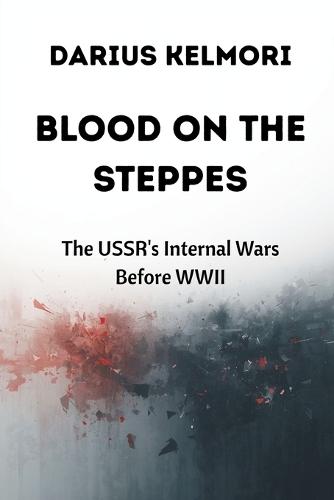
Before the German invasion began, another war was already raging across the Soviet Union. Villages emptied by collectivisation, camps filled by the Great Terror, and borderlands torn by deportations formed the real front line of soviet union terror. This book asks what happens when a state drills its people in fear and obedience, then expects them to fight a modern industrial war. Across its chapters, the narrative follows the machinery of the great terror NKVD, the building of the gulag forced labour economy, and the human consequences of policies that turned food into a weapon in this stark collectivisation famine book. It shows how officer purges and the Stalin Red Army purge hollowed out command structures, just as clashes like the Khalkhin Gol tested doctrine and leadership. Readers see how preparations for Soviet World War 2 were shaped by commissars, with Stalin enforcing loyalty even when it damaged clarity. This is a study for serious readers of military and political history who want to understand why the intelligence failures in 1941 were not accidents but the result of years of internal war. By linking the Soviet five-year plans to mobilisation, terror, and silence, the book offers a clear, unsentimental picture of a society entering 1941 already wounded. It will help readers recognise how similar patterns of internal violence and external ambition continue to shape states today.
Full Product Details
Author: Darius Kelmori
Publisher: Vij Books
Imprint: Vij Books
Dimensions:
Width: 15.20cm
, Height: 1.30cm
, Length: 22.90cm
Weight: 0.318kg
ISBN: 9789347436253
ISBN 10: 9347436259
Pages: 232
Publication Date: 20 February 2026
Audience:
General/trade
,
General
Format: Paperback
Publisher's Status: Active
Availability: Not yet available

This item is yet to be released. You can pre-order this item and we will dispatch it to you upon its release.
Author Information
Darius Kelmori is a writer who focuses on the hard edges of twentieth-century European history. His work examines how states turn inward on their own societies, using law, propaganda, and organised violence to shape citizens, armies, and economies. Growing up with stories of families divided by the Cold War, he developed a particular interest in the Soviet experiment and its long shadow. Kelmori's books blend close reading of policies and campaigns with attention to ordinary lives caught inside vast systems. He is drawn to moments when grand strategies collide with human limits, whether in famine-stricken villages, prison camps, or front-line units. By tracing connections between internal repression and external war, he aims to give readers a clearer sense of how modern power actually operates. His writing is committed to accessible, unsentimental narrative, making complex debates about ideology, security, and memory readable without diluting their seriousness.