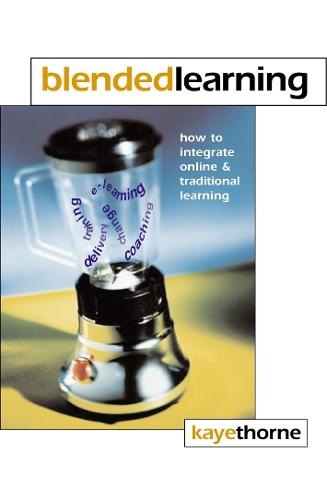
Blended Learning: How to Integrate Online and Traditional Learning

Author:   Kaye Thorne
Publisher:   Kogan Page Ltd
ISBN:  

9780749439019


Pages:   160
Publication Date:   03 December 2002
Format:   Paperback
Availability:   In Print   Availability explained
Limited stock is available. It will be ordered for you and shipped pending supplier's limited stock.

Our Price $105.57 Quantity:  
Add to Cart

Share |

Blended Learning: How to Integrate Online and Traditional Learning


Overview

Blended learning is a workable solution in education and training, allowing trainers and staff developers to integrate online learning with a broad range of more traditional learning techniques. Demonstrating how old and new methods of improving staff performance and learning can work seamlessly together to give better results, Kaye Thorne shows how the concept of blended learning can be applied effectively to help you take the first steps towards developing a blended training programme. Case studies from a variety of organizations, including Rolls-Royce and Avis as well as smaller businesses, illustrate what is emerging as the new training of the future, ideal for any business considering developing a programme for online distance learning.

Full Product Details

Author:   Kaye Thorne
Publisher:   Kogan Page Ltd
Imprint:   Kogan Page Ltd
Dimensions:   Width: 15.40cm , Height: 1.50cm , Length: 23.60cm
Weight:   0.252kg
ISBN:  

9780749439019


ISBN 10:   0749439017
Pages:   160
Publication Date:   03 December 2002
Audience:   General/trade ,  Professional and scholarly ,  General ,  Professional & Vocational
Format:   Paperback
Publisher's Status:   Out of Print
Availability:   In Print   Availability explained
Limited stock is available. It will be ordered for you and shipped pending supplier's limited stock.

Table of Contents

1. What is blended learning?: Developing an employer brand; So what does blended learning mean?; So what are the drawbacks?; Why is blended learning important? 2. How to support blended learning: Creating the right environment for learning; How do people prefer to learn?; Making learning a real experience; Using the whole brain; So how do you get started? 3. Planning ways of integrating different types of learning: What makes for successful blended learning?; An approach to blended learning; Everyone is different; Helping learners to learn; Creating a coaching environment; Time to reflect. 4. Designing blended learning: Creativity; Tools and techniques; Designing and writing online learning; Contract with the learner; Using other media; Other key points to remember. 5. Tracking blended learning: Inviting feedback; Reflecting on learning; What are the essential elements of a TNA?; Using a learning management system; Overcoming obstacles; Areas to consider. 6. Case studies: Rolls-Royce plc; Diageo; DaimlerChrysler; Avis; Ashridge; Basic Skills Agency; Computeach; Nationwide Trust; Milwaukee Electric Tool; The US Department of Health and Human Services; THINQ Limited; What lessons have we learnt from the case studies? 7. Building learning networks: Self-knowledge; Take time to talk; Manage your own success; Build a support network; Share information; Useful contacts. 8. So where do we go from here?: What are the benefits of blended learning?; What is the future for blended learning?; What lessons have we learnt to date?; Are you ready for blended learning?

Reviews

Author Information

Kaye Thorne is one of the best-known writers in the field of training. She has provided practical guidance to thousands of readers in such books as Everything You Need to Know About Training, Personal Coaching and Training on a Shoestring. Founder of the Inspiration Network, she is a personal coach and a specialist in innovation and organization development.

Tab Content 6

Author Website:  

Countries Available

All regions
Latest Reading Guide

April RG 26_2


Shopping Cart
Your cart is empty
Shopping cart
Mailing List