Overview
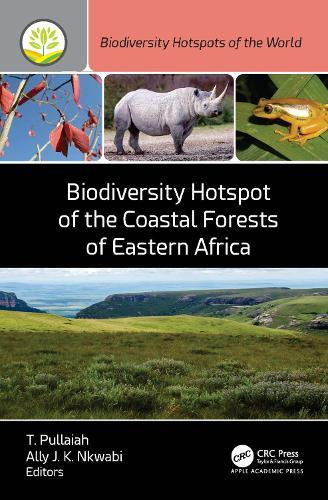
Biodiversity is declining at an alarming rate due to anthropogenic activities around the world. This book is part of the new series Biodiversity Hotspots of the World, which highlights the 36 hotspot regions of the world that are Earth's most biologically rich but threatened terrestrial regions, each defined by having at least 1,500 endemic plant species and having lost at least 70% of its original natural vegetation. This volume covers the Coastal Forests of Eastern Africa Biodiversity Hotspot, which stretches along the eastern edge of Africa and includes parts of Somalia, Kenya, Tanzania, and Mozambique. All islands lying immediately offshore are also part of the hotspot—Pemba, Zanzibar, Mafia and the Bazaruto Archipelago among them. While it is difficult to document the biodiversity of this inhospitable terrain, the coastal forests have exceptionally rich biodiversity and high endemism, with 11,000 species of plants and animals, including 1000 species of seaweed, 3000 species of mollusks, and 1500 species of fish. Anthropogenic activities including deforestation, fragmentation of habitats, pollution, increased human population, climate change, and poaching of wildlife pose serious threats to the biodiversity of the region.
Full Product Details
Author: T. Pullaiah , Ally J. K. Nkwabi
Publisher: Apple Academic Press Inc.
Imprint: Apple Academic Press Inc.
ISBN: 9781998511082
ISBN 10: 1998511081
Pages: 306
Publication Date: 14 April 2026
Audience:
Professional and scholarly
,
College/higher education
,
Professional & Vocational
,
Postgraduate, Research & Scholarly
Format: Hardback
Publisher's Status: Forthcoming
Availability: Not yet available 
This item is yet to be released. You can pre-order this item and we will dispatch it to you upon its release.
Table of Contents
1. Geography, Climate, and Soil Along the Coastal Forest of East Africa 2. The Vegetation Types of Coastal Forests of Eastern Africa Biodiversity Hotspot 3. Mangrove Diversity, Conservation, and Challenges Along the Coastal Biodiversity Hotspot of Eastern Africa 4. Pteridophytes Richness Along the Coastal Forest of Eastern Africa 5. Angiosperms Diversity in East Africa: An Insight from the Tanzania Coast 6. Invertebrates Diversity of Coastal Forests of Eastern Africa 7. Insects Diversity, Threats Facing and Conservation Strategies Along Coastal Areas of East Africa 8. Amphibian Species of the Coastal Ecoregion of Eastern Africa: Richness, Distribution, and Conservation 9. Reptile Species of the Coastal Ecoregion of Eastern Africa: Richness, Distribution, and Conservation 10. Bird Diversity of Coastal Forests of Eastern Africa Biodiversity Hotspot 11. Distribution and Abundance of Mammals Along the Biodiversity Hotspot of the Coastal Forests of Eastern Africa 12. Small Mammal Distribution and Diversity Along the Coastal Forests of Eastern Africa 13. Coastal Forests of East Africa: Insights on Threats and Conservation 14. Remote Sensing Applications in Miombo and Coastal Mosaic Forest of Tanzania: Ecological Conditions, and Anthropogenic Disturbances in the Selous-Niassa Wildlife Corridor, Tanzania 15. Impacts of Climate Change Along the Eastern Africa Coastal Forests Index
Reviews
Author Information
T. Pullaiah, PhD, is a former Professor of Botany at Sri Krishnadevaraya University in Andhra Pradesh, India, where he taught for more than 35 years. He has held several positions at the university, including Dean, Faculty of Biosciences; Head of the Department of Botany; Head of the Department of Biotechnology; and member of the Academic Senate. He was President of the Indian Botanical Society (2014), President of the Indian Association for Angiosperm Taxonomy (2013), and Fellow of Andhra Pradesh Akademi of Sciences. Under his guidance, over 50 students earned their doctoral degrees. He has authored over 70 books, edited over 40 books, and published over 340 research papers, including reviews and book chapters. He was a member of the Species Survival Commission of the International Union for Conservation of Nature (IUCN). Ally J. K. Nkwabi, PhD, is a National Coordinator for the International Waterbird Census (IWC) in Tanzania. His early research focused on the ecology of fauna and flora, human-wildlife conflict, as well as assessing biodiversity in different wetlands. After completing his PhD, Dr. Nkwabi served as Principal Research Officer at the Tanzania Wildlife Research Institute. He has published 18 papers in peer-reviewed journals, 15 book chapters, and one book: Birds of Western Tanzania. Dr. Nkwabi is a member of the AEWA Grey Crowned Crane International Working Group. He is also a national coordinator for the International Waterbird Census (IWC) in Tanzania.
Tab Content 6
Author Website:
Countries Available
All regions
|