Overview
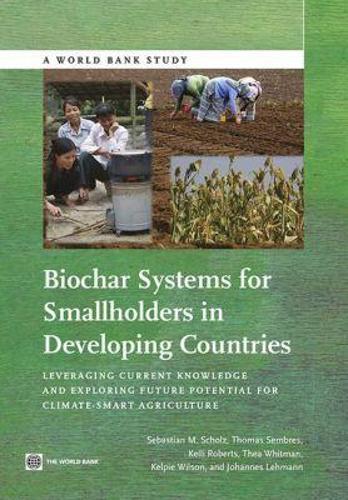
Biochar is the carbon-rich organic matter that remains after heating biomass under minimization of oxygen during a process called pyrolysis. Its relevance to deforestation, agricultural resilience, and energy production, particularly in developing countries, makes it an important issue. This report offers a review of what is known about opportunities and risks of biochar systems. Its aim is to provide a state of the art overview of current knowledge regarding biochar science. In that sense the report also offers a reconciling view on different scientific opinions about biochar providing an overall account that shows the various perspectives of its science and application. This includes soil and agricultural impacts of biochar, climate change impacts, social impacts, and competing uses of biomass. The report aims to contextualize the current scientific knowledge in order to put it at use to address the development- climate change nexus, including social and environmental sustainability. The report is organized as follows: chapter one offers some introductory comments and notes the increasing interest in biochar both from a scientific as well as from a practitioner's point of view; chapter two gives further background on biochar, describing its characteristics and outlining the way in which biochar systems function. Chapter three then considers the opportunities and risks of biochar systems, chapter four presents a typology of biochar systems emerging in practice, particularly in the developing world. New, International Organization for Standardization (ISO) 14040-based life-cycle assessments of the net climate change impact and the net economic profitability of three biochar systems with data collected from relatively advanced biochar projects were conducted for this report and are presented in chapter five, providing a novel understanding of the full life-cycle impacts of these known biochar systems. Chapter six investigates various aspects of technology adoption, including barriers to implementing promising systems, focusing on economics, carbon market access, and sociocultural barriers. Finally, the status of knowledge regarding biochar systems is interpreted in chapter seven to determine potential implications for future involvement in biochar research, policy, and project formulation.
Full Product Details
Author: Sebastian Scholz ,
Thomas Sembres ,
Kelli Roberts ,
Thea Whitman
Publisher: World Bank Publications
Imprint: World Bank Publications
Dimensions:
Width: 17.80cm
, Height: 1.20cm
, Length: 25.40cm
Weight: 0.490kg
ISBN: 9780821395257
ISBN 10: 0821395254
Pages: 230
Publication Date: 30 June 2014
Audience:
Professional and scholarly
,
Professional & Vocational
Format: Paperback
Publisher's Status: Active
Availability: In Print

This item will be ordered in for you from one of our suppliers. Upon receipt, we will promptly dispatch it out to you. For in store availability, please contact us.