|
|
|||
|
||||
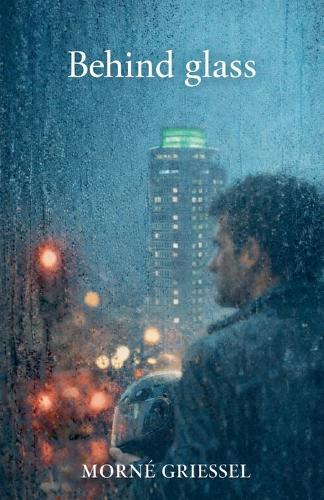
OverviewSet in early-1990s South Africa, at the edge of political transition and private collapse, this novel follows a young man navigating the narrowing space between expectation and survival. Recently out of school and uncertain of his future, he moves through a world that offers structure without belonging: work that erases him, authority that explains without listening, and choices presented as inevitabilities rather than options. The story unfolds in measured fragments rather than dramatic turns. Nights in Durban are rendered with physical clarity-roads, bars, rooms, and routines that appear ordinary precisely because they are. Risk is present, but often contained; danger exists not in spectacular failure, but in how easily life continues without consequence. This false equilibrium allows the protagonist to believe he is coping, even as unspoken grief, inherited silence, and unresolved violence press quietly beneath the surface. A pivotal loss-never sensationalised, never resolved-becomes the absence around which everything else rearranges itself. The novel resists causal explanations: there is no single moment that ""causes"" what follows, only a gradual accumulation of restraint, avoidance, and learned endurance. When institutional intervention finally occurs, it is depicted not as redemption or punishment, but as suspension: white rooms, regulated time, well-intentioned language that cannot translate experience. Rather than charting recovery or collapse, the latter sections attend to aftermath. The protagonist returns to a familiar house that no longer offers certainty, to days stripped of excess but also of escape. What remains is not hope in any grand sense, but persistence- routine, attention, and the uneasy labour of staying present without narrative assurance. This is a novel about masculinity shaped by silence, about grief that resists expression, and about the moral ambiguity of survival. It refuses both tragedy and triumph, choosing instead to observe how a life continues after its expected meanings have fallen away. The ending does not resolve what has been broken; it simply recognises continuation as an act in itself. Full Product DetailsAuthor: Morné GriesselPublisher: Morne Griessel Imprint: Morne Griessel Dimensions: Width: 14.00cm , Height: 1.10cm , Length: 21.60cm Weight: 0.240kg ISBN: 9798233100222Pages: 204 Publication Date: 29 January 2026 Audience: General/trade , General Format: Paperback Publisher's Status: Active Availability: Available To Order We have confirmation that this item is in stock with the supplier. It will be ordered in for you and dispatched immediately. Table of ContentsReviewsAuthor InformationTab Content 6Author Website:Countries AvailableAll regions |
||||