Overview
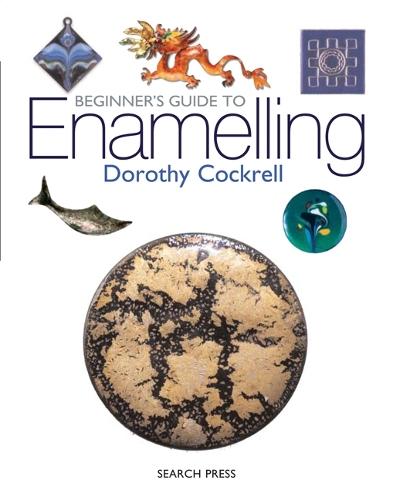
Dorothy Cockrell encourages readers to enjoy the delights of this exciting and gratifying craft. Offering easy step-by-step photographs and instructions, she guides the reader through all the different techniques, illustrating how beautiful and unusual effects can be achieved once the basic principles have been learnt. She discusses how to prepare the metal, choosing and mixing colours and firing methods. More advanced techniques are also included: stencilling, drawing on enamel, sgrafitto, using rubber stamps, working with gold and silver leaf, and more. You can make jewellery, decorate boxes, create pictures, embellish bowls and produce many unique designs. The vibrant colours and wonderful textures will make you want to experiment and develop your own projects. Packed with stimulating and innovative ideas, this book will appeal to beginners who want to start a fascinating new craft, and it will also inspire anyone interested in the art of enamelling.
Full Product Details
Author: Dorothy Cockrell
Publisher: Search Press Ltd
Imprint: Search Press Ltd
Dimensions:
Width: 27.90cm
, Height: 1.00cm
, Length: 29.20cm
Weight: 0.268kg
ISBN: 9781903975619
ISBN 10: 1903975611
Pages: 64
Publication Date: 02 September 2004
Audience:
General/trade
,
General
Format: Paperback
Publisher's Status: Out of Stock Indefinitely
Availability: In Print

Limited stock is available. It will be ordered for you and shipped pending supplier's limited stock.
Reviews
"Enamel Guild West, California:This is a full color 64 perfect beginner's book. The information that it contains is practical, simple and precise. It is laced with subtle humor such as in the introduction, 'Enamelling can be done on the end of the kitchen table with the kiln sitting on top of the kitchen stove. Just remember that enamel is powdered glass, so it is not advisable to cook dinner at the same time.' At this point she directs the reader to the safety rules found on page 12.Explanations are short and do not contain extraneous words, but every word is necessary and helps to complete an important thought. Ms. Cockrell always gives a reason for a certain rule, safety precaution, or procedure. It is easier to remember the rule when we are told why we are cautioned to do a certain thing rather than just being told to do it. And the reasons are always on the same page as the procedure so the reader does not need to turn a page to find out why it should be remembered.The book begins with the necessary tools and equipment safety concerns, enamel colors, and a few other materials that can be used to complete projects. Alternatives are always given to the more expensive ""bought"" equipment. Once in awhile a British term will appear in the book that causes a quick re-read such as ""an old fish slice.""Everything that a beginning enamellist will experience is completely explained with as few words as possible. I was particularly touched by a statement explaining the difference between opaque and transparent enamel that is so simple yet so memorable for a beginning enamellistThree quarters of the book is devoted to projects, but each project has been chosen as a learning experience, from stenciling through more advanced procedures. In the stenciling process Ms. Cockrell even tells how to hold the stencil paper so that the enamel powder does not fall off as the paper is removed. On each page is a green ""tip"" square which further explains a particular procedure. Toward the end of the book Ms. Cockrell explains the difference between ""hard"" and 'soft"" enamel and offers some great processes to understand this difference. It is interesting that she waited until the near end before she mentioned the firing difference in some enamels, but by doing so she did not ""muddy the learning waters and also supplied a wonderful way to become aware of and use this difference.The book is a comfortable read from the very beginning and somewhere along the way Ms. Cockrell becomes a friend who knows some things that we may have forgotten or never knew. She deserves a place on your booksheIf as an instructor and as a friend.Diane Montag from 'The Vitreous Voice' journal of Enamel Guild West, California"
Enamel Guild West, California:This is a full color 64 perfect beginner's book. The information that it contains is practical, simple and precise. It is laced with subtle humor such as in the introduction, 'Enamelling can be done on the end of the kitchen table with the kiln sitting on top of the kitchen stove. Just remember that enamel is powdered glass, so it is not advisable to cook dinner at the same time.' At this point she directs the reader to the safety rules found on page 12.Explanations are short and do not contain extraneous words, but every word is necessary and helps to complete an important thought. Ms. Cockrell always gives a reason for a certain rule, safety precaution, or procedure. It is easier to remember the rule when we are told why we are cautioned to do a certain thing rather than just being told to do it. And the reasons are always on the same page as the procedure so the reader does not need to turn a page to find out why it should be remembered.The book begins with the necessary tools and equipment safety concerns, enamel colors, and a few other materials that can be used to complete projects. Alternatives are always given to the more expensive bought equipment. Once in awhile a British term will appear in the book that causes a quick re-read such as an old fish slice. Everything that a beginning enamellist will experience is completely explained with as few words as possible. I was particularly touched by a statement explaining the difference between opaque and transparent enamel that is so simple yet so memorable for a beginning enamellistThree quarters of the book is devoted to projects, but each project has been chosen as a learning experience, from stenciling through more advanced procedures. In the stenciling process Ms. Cockrell even tells how to hold the stencil paper so that the enamel powder does not fall off as the paper is removed. On each page is a green tip square which further explains a particular procedure. Toward the end of the book Ms. Cockrell explains the difference between hard and 'soft enamel and offers some great processes to understand this difference. It is interesting that she waited until the near end before she mentioned the firing difference in some enamels, but by doing so she did not muddy the learning waters and also supplied a wonderful way to become aware of and use this difference.The book is a comfortable read from the very beginning and somewhere along the way Ms. Cockrell becomes a friend who knows some things that we may have forgotten or never knew. She deserves a place on your booksheIf as an instructor and as a friend.Diane Montag from 'The Vitreous Voice' journal of Enamel Guild West, California
Author Information
Dorothy Cockrell was a teacher for many years, making silver jewellery and learning enamelling in her spare time. Retirement set her free to pursue her interest, and she began to win awards for her work from the Guild of Enamellers. She now edits their journal, runs workshops and courses in Britain and overseas and regularly exhibits her work. Dorothy works in the former coal-hole of her home in Scotland, finding inspiration from poetry, natural patterns and colours, textiles and the work of other craftspeople. She finds experimenting, bending the rules and discovering new techniques as satisfying as producing finished enamelled pieces.