|
|
|||
|
||||
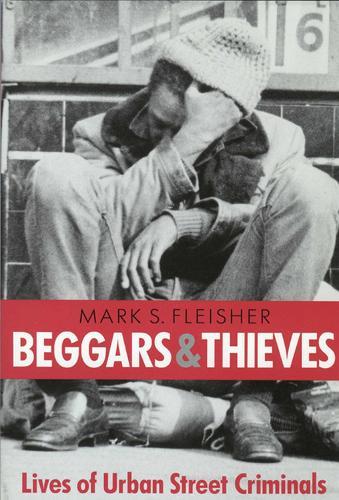
OverviewThe years 1907-1913 mark a crucial transitional moment in American cinema. As moving picture shows changed from mere novelty to an increasingly popular entertainment, fledgling studios responded with longer running times and more complex storytelling. A growing trade press and changing production procedures also influenced filmmaking. In Early American Cinema in Transition, Charlie Keil looks at a broad cross-section of fiction films to examine the formal changes in cinema of this period and the ways that filmmakers developed narrative techniques to suit the fifteen-minute, one-reel format. Keil outlines the kinds of narratives that proved most suitable for a single reel's duration, the particular demands that time and space exerted on this early form of film narration, and the ways filmmakers employed the unique features of a primarily visual medium to craft stories that would appeal to an audience numbering in the millions. He underscores his analysis with a detailed look at six films: The Boy Detective; The Forgotten Watch; Rose O'Salem-Town; Cupid's Monkey Wrench; Belle Boyd, A Confederate Spy; and Suspense. Full Product DetailsAuthor: Mark S. FleisherPublisher: University of Wisconsin Press Imprint: University of Wisconsin Press Dimensions: Width: 15.30cm , Height: 2.00cm , Length: 23.20cm Weight: 0.483kg ISBN: 9780299147747ISBN 10: 0299147746 Pages: 304 Publication Date: 30 August 1995 Audience: College/higher education , Professional and scholarly , Undergraduate , Postgraduate, Research & Scholarly Format: Paperback Publisher's Status: Active Availability: Manufactured on demand We will order this item for you from a manufactured on demand supplier. Table of ContentsReviews<p> The most important study of street criminals published in twenty years. After reading this book, I find that neither liberal nor conservative proposals for meeting the growing inner city youth crime problem are persuasive. Likewise, neither conventional family-preservation policies nor more social programs can be taken as serious responses to the crisis. For policy makers, scholars, activists, and average citizens who want to defuse urban America's ticking crime bomb, this book is truly must reading. --John J. Dilulio, Jr., author of No Escape: The Future of American Corrections Author InformationMark S. Fleisher is associate professor of criminal justice at Illinois State University. An anthropologist and a former administrator in the Federal Bureau of Prisons, he is the author of Warehousing Violence. He is also the author of Dead End Kids, published by the University of Wisconsin Press. Tab Content 6Author Website:Countries AvailableAll regions |
||||