Overview
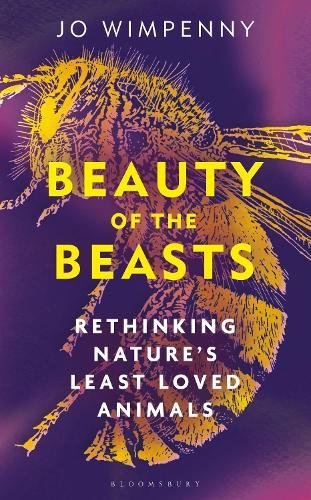
In an age of catastrophic biodiversity loss, the author of Aesop’s Animals explains why we should champion and protect nature’s underdogs. The living world evokes many emotions, especially when it comes to our relationships with animals. Some of our reactions are logical responses to potential harm, but many are irrational, and our loathing and persecution of some species far exceed the threat they pose to us. We no longer prosecute animals for their ‘crimes’ as we did in the Middle Ages, but our human exceptionalism and vilification of unwelcome animal behaviour continues. In Beauty of the Beasts, Jo Wimpenny challenges our perceptions of ‘good’ species and sets the record straight about those we label ‘pests’, ‘scavengers’ and ‘predators’. Using the latest research, Jo explains the natural behaviours we use to villainise animals while demonstrating how these species benefit humanity and are more sentient than we ever thought. From wasps that provide free pest control and snakes whose venom may cure cancer to the deep social bonds of crocodiles and vultures, this book will convince you to rethink our most misunderstood beasts. While it may be tempting to imagine a more pleasant world devoid of animals that scare and repulse us, Jo explains why losing them would devastate many ecosystems, encouraging all of us to appreciate these animals for what they are and the vital roles they fulfil for all life on Earth.
Full Product Details
Author: Jo Wimpenny
Publisher: Bloomsbury Publishing PLC
Imprint: Bloomsbury Wildlife
Dimensions:
Width: 13.50cm
, Height: 2.50cm
, Length: 21.60cm
Weight: 0.454kg
ISBN: 9781399417617
ISBN 10: 1399417614
Pages: 320
Publication Date: 26 February 2026
Audience:
General/trade
,
General
Format: Hardback
Publisher's Status: Forthcoming
Availability: Not yet available

This item is yet to be released. You can pre-order this item and we will dispatch it to you upon its release.
Language: English
Reviews
Praise for Aesop's Animals: A spirited romp through modern cognitive ethology. - Wall Street Journal Engaging and comprehensive, this is highly readable popular science. - Hannah Beckerman, The Observer
Jo Wimpenny has written an important love letter to the natural world. I urge you to dive into the magic and mystery of the often dismissed species that are every bit as fascinating as the predictable poster children of the wild. * Hugh Warwick, author of Cull of the Wild * Praise for Aesop's Animals: A spirited romp through modern cognitive ethology. - Wall Street Journal Engaging and comprehensive, this is highly readable popular science. - Hannah Beckerman, The Observer
Jo Wimpenny has written an important love letter to the natural world. I urge you to dive into the magic and mystery of the often dismissed species that are every bit as fascinating as the predictable poster children of the wild. * Hugh Warwick, author of Cull of the Wild * A proper celebration of the slimy, the snarly, the stingers and the disgusting. I loved it. * Kate Bradbury, author of One Garden Against the World * Both unflinching and ebullient, Beauty of the Beasts delves into a menagerie of the most reviled of animal species and behaviours — and offers a timely reminder of why we should embrace not only the ""Good"" but the so-called ""Bad"" and ""Ugly"" of nature too. * Chantal Lyons, author of Groundbreakers * Praise for Aesop's Animals: A spirited romp through modern cognitive ethology. - Wall Street Journal Engaging and comprehensive, this is highly readable popular science. - Hannah Beckerman, The Observer
A brilliantly written and wildly entertaining tour de force. Beauty of the Beasts bites and snarls in its passion for the planet and our entangled life in amongst it all. * Sophie Pavelle, author of To Have or To Hold * Jo Wimpenny has written an important love letter to the natural world. I urge you to dive into the magic and mystery of the often dismissed species that are every bit as fascinating as the predictable poster children of the wild. * Hugh Warwick, author of Cull of the Wild * A proper celebration of the slimy, the snarly, the stingers and the disgusting. I loved it. * Kate Bradbury, author of One Garden Against the World * Engaging, entertaining and heartfelt, Jo Wimpenny makes a compelling case for caring more about our fellow animals. This is the sort of book you’ll want to read more than once. * Helen Pilcher, author of Life Changing * Both unflinching and ebullient, Beauty of the Beasts delves into a menagerie of the most reviled of animal species and behaviours — and offers a timely reminder of why we should embrace not only the ""Good"" but the so-called ""Bad"" and ""Ugly"" of nature too. * Chantal Lyons, author of Groundbreakers * Through meticulously researched, deeply realistic and boldly imaginative investigation, Wimpenny delivers a sharp, witty reality check – championing the awkward, ugly and in-between to reveal our most reviled ‘beasts’ as nurturing parents, attentive caregivers, and surprisingly relatable kin. * Sophie Pavelle, author of To Have or To Hold *
Author Information
Jo Wimpenny is an author and former academic researcher who writes about science, nature and the human-animal relationship. She has a DPhil from Oxford University on tool use in crows and is the author of Aesop’s Animals: The Science Behind the Fables and co-author of Ten Thousand Birds: Ornithology Since Darwin, an award-winning book on the history of ornithology.