Overview
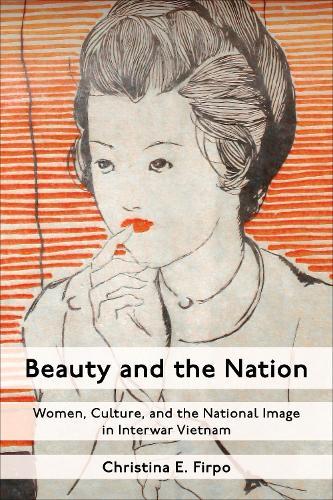
During the interwar years, Vietnamese society witnessed a rapid change in the way women looked. Rejecting the model of a sequestered maiden with blackened teeth and long hair, they embraced a vivid palette of colors-and a colorful lifestyle to match. Before the war, Vietnam would have seemed like an unlikely place for a beauty industry to thrive. Virtuous young women were expected to hide their natural beauty, not manipulate it with makeup or flaunt it at a beauty contest. Yet ordinary women began seeking out the latest fashions-to great public consternation. Christina E. Firpo explores the development of beauty culture in this period, showing how women's faces and bodies became contested sites for envisioning what it meant to be Vietnamese in the modern world. She considers dress patterns, lip-lining tutorials, hairstyles, physiques, and beauty pageants alongside new technologies of media, transportation, and leisure and the anxieties they provoked. The everyday decisions women made about their appearance, Firpo argues, were ways to stake a claim to the roles they wanted to play in the new society taking shape around them. Drawing on a vast array of sources, Beauty and the Nation offers fresh insight into the tumultuous political, economic, social, and cultural changes that swept across Vietnam during this crucial period.
Full Product Details
Author: Christina E. Firpo
Publisher: Columbia University Press
Imprint: Columbia University Press
ISBN: 9780231208871
ISBN 10: 0231208871
Pages: 344
Publication Date: 06 January 2026
Audience:
College/higher education
,
Postgraduate, Research & Scholarly
Format: Paperback
Publisher's Status: Active
Availability: Manufactured on demand

We will order this item for you from a manufactured on demand supplier.
Reviews
The history of the body and women’s beauty culture provides a unique lens through which to understand social transformations. As Christina Firpo demonstrates with sophistication and analytical rigor, changing gender relations were at the heart of social change in interwar Vietnam. This is cultural history at its best. -- Sebastian Conrad, Freie Universität Berlin Looks matter, as Christina Firpo reminds us in this wonderful study of the culture of beauty in interwar Vietnam. The choices young Vietnamese women made about their appearances and physical activities may have driven their parents out of their Confucian minds, but those changes in behavior speak volumes about deeper social and political changes at work in colonial Vietnam. A highly recommended read. -- Christopher Goscha, Université du Québec à Montréal Firpo’s gracefully written book is carefully tailored to fit its subject matter. With stylish prose and a wealth of rich examples, she shows how style became a topic of great anxiety as Vietnam careened toward its own independence. Debates about fashion, cosmetics, and bodily comportment were not only about looking good but also about what the nation itself might look like. -- Erik Harms, Yale University Exploiting a massive trove of Vietnamese- and French-language sources, Beauty and the Nation demonstrates persuasively that Vietnamese norms and standards of feminine beauty changed decisively between WWI and WWII. Given the narrow preoccupation with war and political revolution that has long dominated the field of modern Vietnamese history, Firpo's lively and sophisticated cultural history provides an invigorating breath of fresh air. -- Peter Zinoman, Helen Fawcett Professor of History, University of California, Berkeley
Looks matter, as Christina Firpo reminds us in this wonderful study of the culture of beauty in interwar Vietnam. The choices young Vietnamese women made about their appearances and physical activities may have driven their parents out of their Confucian minds, but those changes behavior speak volumes about deeper social and political changes at work in colonial Vietnam. A highly recommended read. -- Christopher Goscha, professor of international relations at the Université du Québec à Montréal
Looks matter, as Christina Firpo reminds us in this wonderful study of the culture of beauty in interwar Vietnam. The choices young Vietnamese women made about their appearances and physical activities may have driven their parents out of their Confucian minds, but those changes behavior speak volumes about deeper social and political changes at work in colonial Vietnam. A highly recommended read. -- Christopher Goscha, professor of international relations at the Université du Québec à Montréal Firpo’s gracefully written book is carefully tailored to fit its subject matter. With stylish prose and a wealth of rich examples, she shows how style itself became a topic of great anxiety as Vietnam careened towards its own independence. Debates about fashion, cosmetics, and bodily comportment were not only about looking good but about what the nation itself might look like. -- Erik Harms, Yale University The history of the body and women’s beauty culture provides a unique lens through which to understand social transformations. As Christina Firpo demonstrates with sophistication and analytical rigor, changing gender relations were at the heart of social change in interwar Vietnam. This is cultural history at its best. -- Sebastian Conrad, Freie Universität Berlin
Author Information
Christina E. Firpo is professor of history at California Polytechnic State University, San Luis Obispo. She is the author of Black Market Business: Selling Sex in Northern Vietnam, 1920–1945 (2020) and The Uprooted: Race, Children, and Imperialism in French Indochina, 1890–1980 (2016).