|
|
|||
|
||||
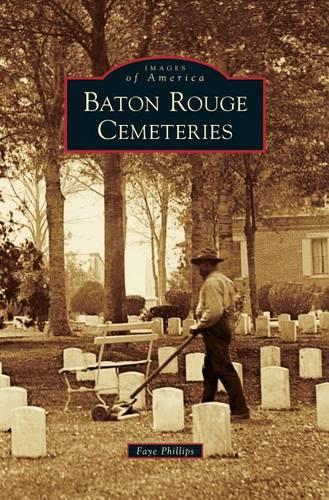
Overview"For many immigrants to Baton Rouge, being buried in the highlands of their European homes was a dream. Recognizing that this desire was unlikely to come to fruition, they christened the bluff above the Mississippi River south of the town as ""Highland"" and established Highland Cemetery in 1819. The military fort had a burial ground; churches established cemeteries; owners, family members, and slaves were buried on the plantations; towns offered municipal cemeteries and paupers' plots; and families distant from towns created family cemeteries. Magnolia Cemetery was established for white citizens in 1852. Sweet Olive and the Lutheran Cemeteries were for free people of color and slaves. St. Joseph's Catholic Cemetery, established in 1826, did not discriminate on race but on religious affiliation, as did the Jewish cemetery. Civil War Union soldiers were separated from Confederates buried in Magnolia Cemetery and interred in the Baton Rouge National Cemetery. In 1921, Roselawn Park Cemetery represented the beginning of cemeteries as business. Beautiful statuary, elaborate tombstones and memorials, unique monuments to the departed, and lush gardens accentuate Baton Rouge's cities of the dead." Full Product DetailsAuthor: Faye PhillipsPublisher: Arcadia Publishing Library Editions Imprint: Arcadia Publishing Library Editions Dimensions: Width: 17.00cm , Height: 1.00cm , Length: 24.40cm Weight: 0.413kg ISBN: 9781531662028ISBN 10: 1531662021 Pages: 130 Publication Date: 30 July 2012 Audience: General/trade , General Format: Hardback Publisher's Status: Active Availability: Available To Order We have confirmation that this item is in stock with the supplier. It will be ordered in for you and dispatched immediately. Table of ContentsReviewsAuthor InformationTab Content 6Author Website:Countries AvailableAll regions |
||||