Overview
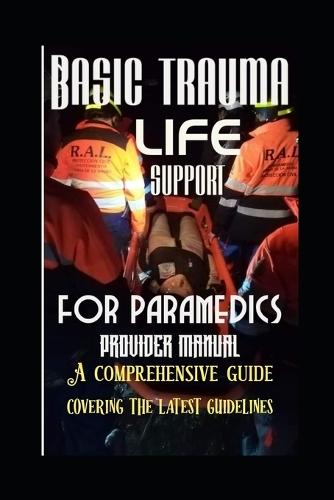
Basic Life Support (BLS) is a level of medical care used for victims of life-threatening illnesses or injuries until they can be given full medical care at a hospital. It is generally used by first responders, including paramedics, emergency medical technicians (EMTs), police officers, and firefighters. Here are the key components: Key Components of Basic Life Support (BLS): Recognition and Assessment: Quickly assess the situation and check for responsiveness. Ensure the scene is safe before approaching the victim. Call for additional help or advanced medical support if needed. CPR (Cardiopulmonary Resuscitation): Chest Compressions: Perform chest compressions to maintain blood circulation. This is typically done at a rate of 100-120 compressions per minute. Airway: Ensure the airway is open by using head-tilt and chin-lift techniques. Breathing: Provide rescue breaths to supply oxygen to the lungs, usually in a ratio of 30 compressions to 2 breaths. Automated External Defibrillator (AED): Use an AED if available. This device can analyze the heart rhythm and deliver an electric shock to restore normal heart rhythm in cases of sudden cardiac arrest. Relief of Choking: Perform the Heimlich maneuver or abdominal thrusts for a conscious person who is choking. For an unconscious person, perform chest compressions and check the airway for obstructions. Recovery Position: Place the person in a recovery position if they are breathing and have a pulse but are unconscious. This helps maintain an open airway and prevents aspiration. Roles and Responsibilities of BLS Providers: Rapid Response: Quickly respond to emergencies, assess the situation, and provide immediate care. Team Coordination: Work effectively with other first responders and medical personnel. Continuous Training: Maintain skills and certifications through regular training and practice. Patient Advocacy: Ensure the patient's needs are met and provide reassurance and support. Documentation: Accurately document the care provided and the patient's condition for handover to advanced medical personnel. Importance of BLS: Saves Lives: Immediate and effective BLS can significantly increase the chances of survival and recovery for victims of cardiac arrest and other life-threatening conditions. Prevents Complications: Early intervention can prevent further deterioration of the patient's condition. Provides Time: BLS provides essential care that sustains life until advanced medical treatment can be administered. Overall, BLS is a critical component of emergency medical care, and proficiency in these skills is essential for anyone involved in providing immediate care in emergency situations.
Full Product Details
Author: Evelin Limakatso Kholeli
Publisher: Independently Published
Imprint: Independently Published
Dimensions:
Width: 15.20cm
, Height: 0.50cm
, Length: 22.90cm
Weight: 0.145kg
ISBN: 9798334310209
Pages: 102
Publication Date: 27 July 2024
Audience:
General/trade
,
General
Format: Paperback
Publisher's Status: Active
Availability: Available To Order

We have confirmation that this item is in stock with the supplier. It will be ordered in for you and dispatched immediately.