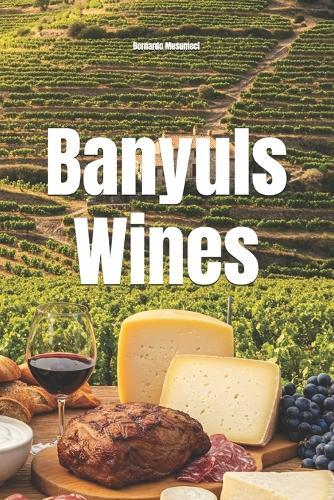
Overview
Introduction: Presentation of Banyuls wine: a French treasure with unique history and tradition. The historical context of the production of natural sweet wines in the Mediterranean. The importance of the Banyuls region for the production of quality natural sweet wines. Characteristics of Banyuls wine: ampelographic aspects, vegetative cycle, oenological potential. Production overview: main grape varieties, wine styles, challenges and opportunities. Origins and History of Banyuls: History of Banyuls wine: origins, legends and its connection with the Roussillon region. The influence of Roman culture and the Middle Ages on the production of natural sweet wines. The evolution of Banyuls over the centuries: from table wine to dessert wine. The role of Benedictine monks and the Knights Templar in the production of Banyuls. Terroir and the Production of Banyuls: Banyuls production region: geographic and climatic specificities. Influence of the Mediterranean climate, winds (Tramontane) and soils on the expression of the grapes. The importance of terroir in the typicality and quality of Banyuls. Microclimates and their particularities in the Banyuls region. Ampelographic and Viticultural Aspects: Detailed description of the grape varieties used in the production of Banyuls: Grenache (Noir, Gris, Blanc), Carignan, Syrah, Mourvèdre. Ampelographic characteristics of the grapes and their adaptations to the Banyuls terroir. Vegetative cycle of vines and their specific needs in the region. Vineyard management: pruning, training, disease and pest control. Cultivation techniques to optimize the quality of grapes for Banyuls. Banyuls Winemaking and Wine Styles: Banyuls winemaking processes: traditional and modern methods. ""Mutage"" interruption of alcoholic fermentation by the addition of wine alcohol. Maceration and aging of Banyuls: different styles and durations. Elaboration of different styles of Banyuls wine: Traditional Banyuls. Banyuls Rancio Banyuls Grand Cru. Banyuls Natural Sweet Wine. The role of the winemaker in defining the style and quality of Banyuls. Sensory Characteristics of Banyuls Wines: Sensory profiles of Banyuls wines: aromas, flavors, structure, body. The evolution of aromas and flavors as Banyuls ages. The influence of terroir, grapes and winemaking on sensory characteristics. Sensory analysis of different styles of Banyuls. Tips for tasting and appreciating Banyuls wines. Pairing with Gastronomy: Pairing Banyuls wines with local and international cuisine. Suggestions for dishes that go well with different styles of Banyuls: Chocolate. Fruit-based desserts. Cured cheeses. Foie gras. The importance of the balance between sweetness, acidity and aromas in pairing. Tips for creating complete gastronomic experiences with Banyuls wines. Denominations of Origin and Producers of Banyuls: The Controlled Denomination of Origin (DOC) Banyuls: regulations and specificities. The different types of Banyuls recognized by DOC. Prominent producers and labels in the Banyuls region. The role of producer associations in promoting Banyuls. Challenges and Future Perspectives: Challenges in Banyuls production: climate change, pests, competitive market. Sustainability and preservation of the region's wine heritage. Research and innovation in Banyuls viticulture and oenology. The future of Banyuls and its growth potential in the international natural sweet wine market.
Full Product Details
Author: Bernardo Musumeci
Publisher: Independently Published
Imprint: Independently Published
Dimensions:
Width: 15.20cm
, Height: 0.30cm
, Length: 22.90cm
Weight: 0.086kg
ISBN: 9798270673444
Pages: 54
Publication Date: 19 October 2025
Audience:
General/trade
,
General
Format: Paperback
Publisher's Status: Active
Availability: Available To Order

We have confirmation that this item is in stock with the supplier. It will be ordered in for you and dispatched immediately.