|
|
|||
|
||||
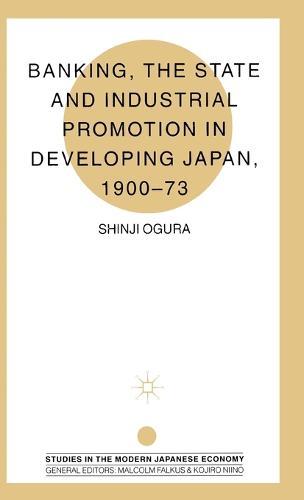
OverviewThis book researches banking structure in developing Japan and gives insight into how Japan's banks have become embroiled in recent financial crisis. It re-evaluates the role and function of Japan's commercial banks among its corporate groupings and proves that the behaviour of banks heading corporate groups has characterized the economic system, and that the banks could not have established a long-term capital lending business until the beginning of the 1970s. Full Product DetailsAuthor: S. OguraPublisher: Palgrave Macmillan Imprint: Palgrave Macmillan Dimensions: Width: 14.00cm , Height: 0.90cm , Length: 21.60cm Weight: 0.359kg ISBN: 9780333711392ISBN 10: 0333711394 Pages: 144 Publication Date: 18 December 2001 Audience: Professional and scholarly , Professional and scholarly , Professional & Vocational , Postgraduate, Research & Scholarly Format: Hardback Publisher's Status: Active Availability: In Print This item will be ordered in for you from one of our suppliers. Upon receipt, we will promptly dispatch it out to you. For in store availability, please contact us. Table of ContentsList of Tables Preface Acknowledgements Mitsui Bank Under the Control of the Mitsui Family (1900-29) Towards a Closer Relationship between Mitsui Bank and Industry after the Showa Depression (1930-43) New Strategy After a Bank Merger (1943-45) The Formation of Mitsui Group Through Loan Relationships (1945-60) Supplementary Devices to Win the Lending Battle (1961-65) Dashing into Long-term Capital Lending (1966-73) Conclusions Notes IndexReviewsAuthor InformationSHINJI OGURA is Lecturer in Economics at Chiba University of Commerce, Chiba, Japan. Tab Content 6Author Website:Countries AvailableAll regions |
||||