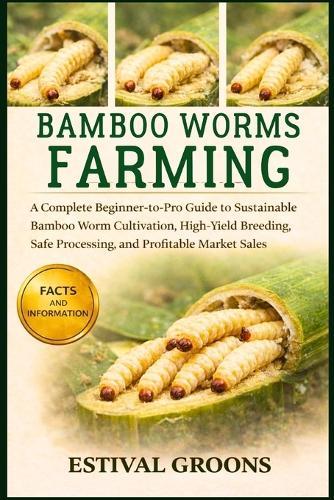
Overview
Introduction to Bamboo Worm FarmingUnderstanding the Rise of Bamboo Worm FarmingBamboo worm farming has quietly evolved from a localized, traditional practice into one of the most intriguing and promising branches of modern insect agriculture. For generations, communities in parts of Southeast Asia have harvested bamboo worms from naturally infested bamboo groves, regarding them as a seasonal delicacy with exceptional nutritional power. What began as a simple act of gathering these soft, creamy larvae from freshly cut bamboo poles has now expanded into a structured, highly profitable avenue for small-scale and commercial farmers across different regions of the world. The growing shift did not happen overnight; it emerged from a combination of rising global interest in sustainable protein, increased awareness of edible insects, and the promising economic appeal bamboo worms offer both beginners and seasoned farmers. As people search for more eco-friendly food sources, bamboo worms continue to gain attention for being low-resource organisms that produce a high-value yield. Their farming requires less land, minimal water, modest upfront capital, and simple tools-making it one of the most approachable agricultural ventures for rural communities, entrepreneurs, and environmentally conscious farmers. But beyond the simplicity of raising bamboo worms lies a deeper value: they represent a path toward sustainable protein production that is gentle on the environment while meeting nutritional needs in a rapidly growing world. What Bamboo Worms Are and Why They Matter Bamboo worms are the larvae of certain moth species that thrive inside living bamboo stems. They naturally bore into the bamboo, feeding on the soft internal tissues and developing in a moisture-rich microhabitat that protects them from predators and harsh weather. This unique biology makes them easier to farm compared to other insect species that require heavy infrastructure or complex temperature-controlled enclosures. Their life cycle, though delicate, becomes highly manageable when the farmer understands bamboo selection, moisture balance, and timing-three pillars that form the foundation of efficient production. The value of bamboo worms spreads across multiple dimensions: Nutritional richness: The larvae are exceptionally high in protein, healthy fats, and essential micronutrients, making them suitable as a dietary supplement for humans and animals. Culinary versatility: In many cultures, bamboo worms are sautéed, roasted, deep-fried, powdered, or incorporated into protein-rich snacks. Economic opportunity: Because demand often exceeds supply, especially in urban markets and international export zones, farmers who master consistent production can command premium prices. Environmental sustainability: Their farming produces minimal waste, contributes almost no greenhouse gases, and relies heavily on natural, biodegradable materials such as bamboo poles. The combination of these traits places bamboo worms among the most valuable edible insects worldwide, giving them both cultural importance and commercial potential. As dietary trends shift and consumers explore new proteins, the profile of bamboo worms continues to rise, drawing attention from chefs, health enthusiasts, and agricultural investors. Traditional Roots and Modern Expansion Historically, bamboo worms were harvested during specific seasons when bamboo stems were naturally infested by adult moths. Local collectors would cut the bamboo open, remove the worms, and either consume them fresh or sell them at markets. The traditional system relied on chance-if the moths infested the bamboo and if the bamboo matured correctly, the harvest would be successful. But as demand surged, communities began experimenting with more structured approaches.
Full Product Details
Author: Estival Groons
Publisher: Independently Published
Imprint: Independently Published
Dimensions:
Width: 15.20cm
, Height: 1.10cm
, Length: 22.90cm
Weight: 0.268kg
ISBN: 9798242389083
Pages: 196
Publication Date: 04 January 2026
Audience:
General/trade
,
General
Format: Paperback
Publisher's Status: Active
Availability: Available To Order

We have confirmation that this item is in stock with the supplier. It will be ordered in for you and dispatched immediately.