|
|
|||
|
||||
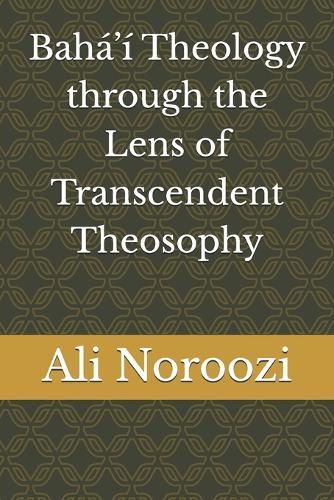
OverviewIn the history of Islamic-Iranian intellectual tradition, two major syntheses of reason, revelation, and mystical insight stand out: Mullā Ṣadrā's Transcendent Theosophy (11th/17th century), which integrated Peripatetic philosophy, theology, and ʿirfān into a unified system, and Bahá'í theology (19th century), which claims to fulfill and complete the Abrahamic religions while emphasizing absolute transcendence, divine manifestation, and the oneness of the human race. This work offers the first systematic, theme-based comparison between the treatise Divinity and Manifestation - a central articulation of Bahá'í theology - and the core principles of Ṣadrian philosophy. Rather than asserting the superiority of either system, it seeks to reveal profound shared elements (essential origination of the cosmos, perpetual divine effusion, the privileged position of humanity) alongside fundamental divergences (tashkīk al-wujūd vs. unity of manifestation; mystical union vs. manifestation without union; rational-demonstrative vs. revelation based methodology). The study aims to help scholars of Islamic philosophy, comparative theology, and Bahá'í studies better discern the common substratum of the Iranian-Islamic tradition while accurately mapping the distinctive boundaries between these two major currents of thought. Full Product DetailsAuthor: Ali NorooziPublisher: Independently Published Imprint: Independently Published Dimensions: Width: 15.20cm , Height: 0.30cm , Length: 22.90cm Weight: 0.100kg ISBN: 9798248068319Pages: 64 Publication Date: 12 February 2026 Audience: General/trade , General Format: Paperback Publisher's Status: Active Availability: Available To Order We have confirmation that this item is in stock with the supplier. It will be ordered in for you and dispatched immediately. Table of ContentsReviewsAuthor InformationTab Content 6Author Website:Countries AvailableAll regions |
||||