Overview
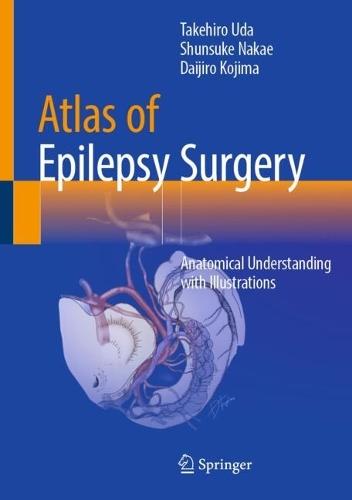
This book provides a comprehensive guide to epilepsy surgery, offering an in-depth exploration of essential surgical techniques for treating this complex neurological disorder. With a strong emphasis on surgical anatomy, it features meticulously crafted illustrations that enhance understanding, making it an indispensable resource for aspiring epilepsy surgeons worldwide. Covering a full spectrum of procedures, this book details conventional epilepsy surgeries such as anterior temporal lobectomy, selective amygdalohippocampectomy through various approaches, corpus callosotomy, and vagus nerve stimulation. It also delves into advanced techniques, including hippocampal transection, hemispherotomy, multilobar disconnection, and deep brain stimulation. Each chapter is designed to elucidate intricate anatomical relationships and surgical steps, ensuring a thorough comprehension of every technique. Authored by experienced specialists in the field, this book bridges the gap between theoretical knowledge and practical application, providing valuable insights for epilepsy surgeons, general neurosurgeons, and medical students. Whether refining surgical skills or deepening the understanding of epilepsy treatment, readers will find this an essential companion on their journey to mastering epilepsy surgery.
Full Product Details
Author: Takehiro Uda ,
Shunsuke Nakae ,
Daijiro Kojima
Publisher: Springer Verlag, Singapore
Imprint: Springer Nature
ISBN: 9789819201754
ISBN 10: 9819201756
Pages: 107
Publication Date: 09 June 2026
Audience:
Professional and scholarly
,
Professional & Vocational
Format: Hardback
Publisher's Status: Forthcoming
Availability: Not yet available

This item is yet to be released. You can pre-order this item and we will dispatch it to you upon its release.
Author Information
Dr. Takehiro Uda, MD, PhD, serves as a neurosurgeon at Osaka Metropolitan University, specializing in functional neurosurgery. He delivers comprehensive care to both pediatric and adult patients and possesses extensive experience across the full spectrum of epilepsy surgery. His clinical philosophy centers on achieving safe and reliable surgical outcomes while preserving neurological function. He is widely recognized as a leading authority in epilepsy surgery and contributes significantly to research, education, and the advancement of modern neurosurgical practice. Dr. Shunsuke Nakae, MD, MSc, PhD, is an Associate Professor in the Department of Neurosurgery at Fujita Health University, Japan. He specializes in epilepsy and glioma surgery, with particular expertise in stereoelectroencephalography (SEEG), awake craniotomy, and minimally invasive techniques. He received advanced training in SEEG at the Claudio Munari Centre for Epilepsy Surgery, Niguarda Hospital in Milan, Italy, and is actively engaged in international collaborations across Asia. His research focuses on epilepsy and glioma, including functional brain mapping, neuroimaging, genetic analysis, and the development of safer and more precise surgical strategies. Dr. Nakae is also involved in educational and clinical initiatives to expand access to epilepsy surgery. Dr. Daijiro Kojima is a neurosurgeon in the Department of Fujita Health University school of medicine, Japan. He specializes in epilepsy surgery, surgery for malignant brain tumors, and awake surgery, and has extensive experience performing these procedures. Dr. Kojima is skilled in creating illustrations and was responsible for producing the figures in this book. In creating the figures for this book, he aimed to produce illustrations that combine anatomical clarity with the sense of realism that only a surgeon can convey. Dr. Kojima has contributed numerous figures to peer-reviewed papers and conference presentations. He is well-versed in higher brain functions and the pathways of nerve fibers within the brain, and through his expertise and illustrations, he is working to facilitate safe preoperative simulations.