|
|
|||
|
||||
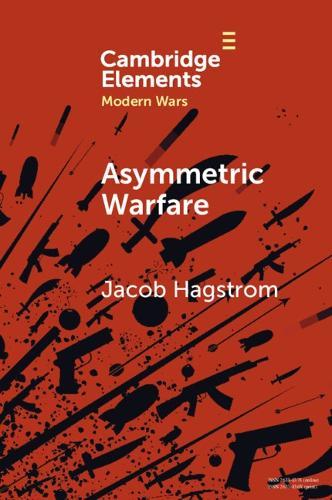
OverviewThe forces that fight asymmetric wars are so distinct that one side avoids direct military confrontation in favor of political, social, or otherwise unorthodox means of resistance. These conflicts have been a mainstay of modern times, though scholars have often separated them into various designations by era. Observers have referred, in chronological order, to Indian warfare, petite guerre (small war), guerrilla warfare, irregular or revolutionary war, and terrorism. The proliferation of labels over time has obscured the continuity of asymmetric wars throughout modernity. Stark distinctions in resources and capabilities have shaped the reasons why states and societies have decided to fight, and the manner in which they have fought. Across the modern era, mismatches arose in the domains of technology, intelligence production, and law. But in recent decades, so-called weak powers have neutralized many of the typical advantages of strong military states. Full Product DetailsAuthor: Jacob HagstromPublisher: Cambridge University Press Imprint: Cambridge University Press ISBN: 9781009567640ISBN 10: 1009567640 Pages: 84 Publication Date: 08 May 2025 Audience: General/trade , General Format: Paperback Publisher's Status: Active Availability: Manufactured on demand We will order this item for you from a manufactured on demand supplier. Table of Contents1. Introduction: learning from unfair fights; 2. Asymmetry and revolutions (1492–1815); 3. Asymmetry and empires (1815–1914); 4. Asymmetry and global wars (1914–1950); 5. Asymmetry and the cold war (1950–1990); 6. Asymmetry, rogue states, and terrorism (1990–present); 7. Leveling the asymmetric battlefield: technology, intelligence, and law.ReviewsAuthor InformationTab Content 6Author Website:Countries AvailableAll regions |
||||