Overview
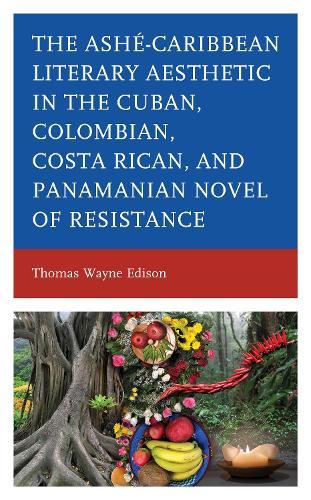
Ashé-Caribbean Literary Aesthetic in the Cuban, Colombian, Costa Rican, and Panamanian Novel of Resistance contributes to understanding the important role that African-influenced spiritualcultures play in literature that challenges the concept that European aesthetics are superior to African-inspired cultures. Thomas W. Edison highlights the novels of four courageous Caribbean writers who have used their novels to integrate aspects of African ontology with literary techniques, themes, and history. The common element in these works is the inclusion of African-inspired faith traditions and culture. As a result of this perspective, their literature stands out as keen examples of Ashé-Caribbean resistance literature. While each writer presents their unique literary style in the works, collectively they draw on a foundation of the Afro-Caribbean. The Circum-Caribbean region will be the geographical unit because of its collective history of slavery, colonial rule, and parallel patterns of religious syncretism. This book makes an important literary connection among Caribbean Hispanophone nations.
Full Product Details
Author: Thomas Wayne Edison
Publisher: Bloomsbury Publishing Plc
Imprint: Lexington Books
Dimensions:
Width: 16.30cm
, Height: 2.90cm
, Length: 22.90cm
Weight: 0.658kg
ISBN: 9781498597470
ISBN 10: 1498597475
Pages: 314
Publication Date: 28 September 2020
Audience:
Professional and scholarly
,
Professional & Vocational
Format: Hardback
Publisher's Status: Active
Availability: Manufactured on demand

We will order this item for you from a manufactured on demand supplier.
Reviews
Edison honors the ancestors, academic and spiritual. His idea of ashe aesthetics combines Yoruba- and Bantu-derived concepts of faith, death, time, music, and language with a literary and critical dialogue that spans Carpentier and the pioneers of US Afro-Hispanism to today's critical rediscovery of Zapata, showing that the African diaspora unites diverse generations, nations, and communities.--John Maddox, University of Alabama at Birmingham In this book, Thomas W. Edison argues convincingly in support of the importance of the philosophical concept of Ashe' to the worldviews of the selected Cuban and Afro-Hispanic authors. Ashe', in this context, underscores the resistance to the oppression and dehumanization of black peoples and is an integral component of the cultural maroonage that has sustained them throughout the African Diaspora. Ashe-Caribbean Literary Aesthetics in the Cuban, Colombian, Costa Rican, and Panamanian Novel of Resistance is original, thoroughly researched, meticulously documented, and represents an excellent example of literary intertextually in critical practice.--Marvin A. Lewis, University of Missouri
Edison honors the ancestors, academic and spiritual. His idea of ashé aesthetics combines Yoruba- and Bantu-derived concepts of faith, death, time, music, and language with a literary and critical dialogue that spans Carpentier and the pioneers of US Afro-Hispanism to today's critical rediscovery of Zapata, showing that the African diaspora unites diverse generations, nations, and communities. -- John T. Maddox IV, University of Alabama at Birmingham In this book, Thomas W. Edison argues convincingly in support of the importance of the philosophical concept of Ashe' to the worldviews of the selected Cuban and Afro-Hispanic authors. Ashe', in this context, underscores the resistance to the oppression and dehumanization of black peoples and is an integral component of the cultural maroonage that has sustained them throughout the African Diaspora. Ashé-Caribbean Literary Aesthetic in the Cuban, Colombian, Costa Rican, and Panamanian Novel of Resistance is original, thoroughly researched, meticulously documented, and represents an excellent example of literary intertextually in critical practice. -- Marvin A. Lewis, University of Missouri
""Edison honors the ancestors, academic and spiritual. His idea of ashé aesthetics combines Yoruba- and Bantu-derived concepts of faith, death, time, music, and language with a literary and critical dialogue that spans Carpentier and the pioneers of US Afro-Hispanism to today's critical rediscovery of Zapata, showing that the African diaspora unites diverse generations, nations, and communities."" --John T. Maddox IV, University of Alabama at Birmingham ""In this book, Thomas W. Edison argues convincingly in support of the importance of the philosophical concept of Ashe' to the worldviews of the selected Cuban and Afro-Hispanic authors. Ashe', in this context, underscores the resistance to the oppression and dehumanization of black peoples and is an integral component of the cultural maroonage that has sustained them throughout the African Diaspora. Ashé-Caribbean Literary Aesthetic in the Cuban, Colombian, Costa Rican, and Panamanian Novel of Resistance is original, thoroughly researched, meticulously documented, and represents an excellent example of literary intertextually in critical practice."" --Marvin A. Lewis, University of Missouri Edison honors the ancestors, academic and spiritual. His idea of ashé aesthetics combines Yoruba- and Bantu-derived concepts of faith, death, time, music, and language with a literary and critical dialogue that spans Carpentier and the pioneers of US Afro-Hispanism to today's critical rediscovery of Zapata, showing that the African diaspora unites diverse generations, nations, and communities. In this book, Thomas W. Edison argues convincingly in support of the importance of the philosophical concept of Ashe' to the worldviews of the selected Cuban and Afro-Hispanic authors. Ashe', in this context, underscores the resistance to the oppression and dehumanization of black peoples and is an integral component of the cultural maroonage that has sustained them throughout the African Diaspora. Ashé-Caribbean Literary Aesthetic in the Cuban, Colombian, Costa Rican, and Panamanian Novel of Resistance is original, thoroughly researched, meticulously documented, and represents an excellent example of literary intertextually in critical practice.
Author Information
Thomas Wayne Edison is associate professor of Spanish in the Department of Classical and Modern Languages at the University of Louisville.