|
|
|||
|
||||
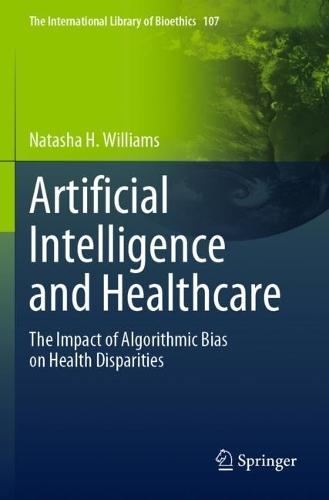
OverviewThis book explores the ethical problems of algorithmic bias and its potential impact on populations that experience health disparities by examining the historical underpinnings of explicit and implicit bias, the influence of the social determinants of health, and the inclusion of racial and ethnic minorities in data. Over the last twenty-five years, the diagnosis and treatment of disease have advanced at breakneck speeds. Currently, we have technologies that have revolutionized the practice of medicine, such as telemedicine, precision medicine, big data, and AI. These technologies, especially AI, promise to improve the quality of patient care, lower health care costs, improve patient treatment outcomes, and decrease patient mortality. AI may also be a tool that reduces health disparities; however, algorithmic bias may impede its success. This book explores the risks of using AI in the context of health disparities. It is of interest to health services researchers,ethicists, policy analysts, social scientists, health disparities researchers, and AI policy makers. Full Product DetailsAuthor: Natasha H. WilliamsPublisher: Springer International Publishing AG Imprint: Springer International Publishing AG Volume: 107 ISBN: 9783031482649ISBN 10: 3031482646 Pages: 114 Publication Date: 03 January 2025 Audience: Professional and scholarly , Professional & Vocational Format: Paperback Publisher's Status: Active Availability: Manufactured on demand We will order this item for you from a manufactured on demand supplier. Table of ContentsReviewsAuthor InformationThroughout her professional career, Dr. Williams has worked on public health issues focused on vulnerable populations including minority health, health disparities, prisoner reentry, and drug treatment courts. Her current research focuses on the intersection of artificial intelligence, algorithmic bias, and health disparities. Dr. Williams received her doctorate in social policy, with a concentration in health services research, from Brandeis University, her juris doctor degree from George Mason School of Law, her master of laws degree in health law from Loyola University Chicago School of Law, and her master’s degree in public health from the Johns Hopkins Bloomberg School of Public Health. She also has a bachelor’s degree in medical technology from the University of Maryland at Baltimore. Dr. Williams was the A. Leon Higginbotham Jr. Research Fellow in Social Justice at Harvard Law School and an H. Jack Geiger Congressional Fellow in Health Policy. Tab Content 6Author Website:Countries AvailableAll regions |
||||