Overview
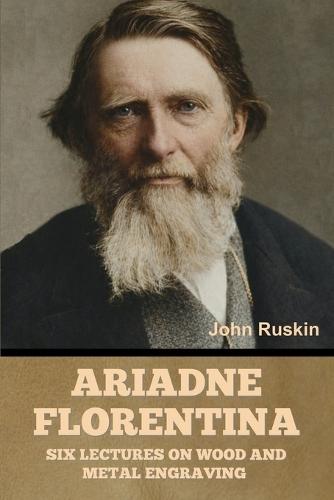
Ariadne Florentina: Six Lectures on Wood and Metal Engraving (1873) is a series of lectures delivered by John Ruskin while he was Slade Professor of Fine Art at the University of Oxford. In this work, Ruskin examines the history, techniques, and artistic significance of engraving, focusing particularly on Florentine art and the development of line as a fundamental expressive element. The title refers to Ariadne of Greek mythology, symbolizing guidance and clarity, which Ruskin associates with the guiding thread of artistic tradition in Florence. In the lectures, Ruskin distinguishes between wood engraving and metal engraving, analyzing how each medium shapes artistic expression. He praises the precision and discipline required in metal engraving while also exploring the bold, graphic qualities of woodcut techniques. Ruskin emphasizes the moral and intellectual dimensions of craftsmanship, arguing that true art reflects the character and spiritual condition of the artist and society. He closely studies the works of early Italian masters, especially those connected to the Renaissance, to illustrate how line, form, and design communicate meaning beyond mere decoration. Throughout Ariadne Florentina, Ruskin also critiques modern industrial methods that, in his view, diminish the integrity of art by prioritizing speed and commercial gain over skill and thoughtful design. He advocates for a return to careful craftsmanship and reverence for traditional methods. The lectures reflect his broader belief that art, labor, and morality are deeply interconnected. As part of his larger body of art criticism, this work reinforces Ruskin's commitment to elevating both artistic standards and the social value of creative work. About the Author John Ruskin (1819-1900) was a leading English art critic, writer, and social thinker of the Victorian era. Born in London to a prosperous wine merchant, Ruskin was educated privately and later attended the University of Oxford. From an early age he showed a deep appreciation for art and nature, interests that would shape his life's work. His eloquent prose and passionate beliefs made him one of the most influential cultural figures of the nineteenth century. Ruskin first gained widespread recognition with the publication of Modern Painters (1843-1860), a multi-volume work in which he defended the painter J.M.W. Turner and argued that artists should remain faithful to nature. He believed that art should express truth and moral purpose rather than merely imitate classical traditions. His ideas challenged established academic standards and helped elevate landscape painting to greater prominence in Britain. Ruskin's criticism combined detailed observation with broader reflections on beauty, imagination, and spirituality. Beyond art criticism, Ruskin became an outspoken social critic. In works such as Unto This Last (1860) and Sesame and Lilies (1865), he attacked industrial capitalism and argued that economic systems should prioritize human well-being over profit. He was deeply troubled by the social inequalities and environmental damage brought about by industrialization. His social philosophy influenced later reformers, including Mahatma Gandhi, and contributed to movements advocating for social justice and improved working conditions. In his later years, Ruskin served as the first Slade Professor of Fine Art at Oxford, where he continued to lecture and write on art, architecture, and society. He also supported practical initiatives, such as founding the Guild of St George, aimed at promoting education, craftsmanship, and rural life. Although he suffered from periods of mental illness toward the end of his life, Ruskin's legacy endures through his writings and his lasting impact on art criticism, social thought, and the preservation of natural beauty.
Full Product Details
Author: John Ruskin
Publisher: Indoeuropeanpublishing.com
Imprint: Indoeuropeanpublishing.com
Dimensions:
Width: 15.20cm
, Height: 0.80cm
, Length: 22.90cm
Weight: 0.159kg
ISBN: 9798889425755
Pages: 122
Publication Date: 13 February 2026
Audience:
General/trade
,
General
Format: Paperback
Publisher's Status: Active
Availability: Available To Order

We have confirmation that this item is in stock with the supplier. It will be ordered in for you and dispatched immediately.