|
|
|||
|
||||
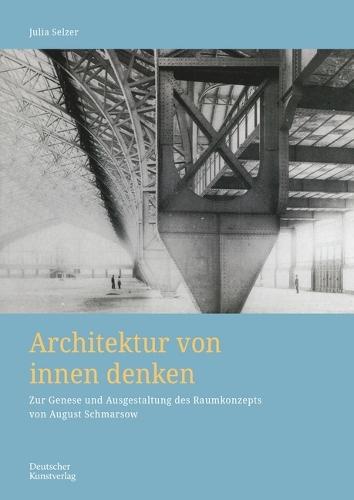
OverviewUntil the end of the 19th century, architectural theory was based firmly on practice, belonging primarily to the domain of architects concerned with construction, materiality, and design. A significant turning point came with the work of art historian August Schmarsow, who was the first to establish space as an autonomous category within architectural theory. He argued that the perception of space by the human subject is a fundamental precondition to architectural activity, and that the design of space constitutes the essence of architecture. This intervention initiated a reorientation in the understanding of the built environment that has remained effective into the modern era. This study investigates the conditions, sources, and stages of development that shaped this conceptual shift. First comprehensive analysis of Schmarsow’s writing on architectural theory Examination of intellectual- and scientific-historical contexts as well as interdisciplinary references Reconstructing an overall picture of Schmarsow’s architectural theory Full Product DetailsAuthor: Julia SelzerPublisher: De Gruyter Imprint: Deutscher Kunstverlag Weight: 0.500kg ISBN: 9783422803497ISBN 10: 3422803491 Pages: 416 Publication Date: 26 January 2026 Audience: Professional and scholarly , Professional & Vocational Format: Paperback Publisher's Status: Forthcoming Availability: Not yet available This item is yet to be released. You can pre-order this item and we will dispatch it to you upon its release. Language: German Table of ContentsReviewsAuthor InformationJulia Selzer, art historian, Zurich. Tab Content 6Author Website:Countries AvailableAll regions |
||||