|
|
|||
|
||||
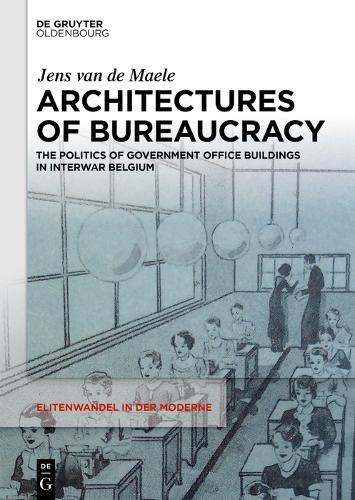
OverviewThis monograph examines the interrelationship between politics and modernist architecture in interwar Belgium, focusing on political, architectural, and administrative elites as propagators of new ideas of governance. While Belgium was strongly influenced by neighbouring France and Germany, it also developed its own avant-garde approaches to socio-political problems. In the second half of the 1930s, the country was the scene of a remarkable political and architectural experiment involving an ambitious plan for the large-scale construction of modernist government office buildings. These buildings were seen as essential to the development of a technocratic model of governance, aimed at strengthening the role of the executive and minimising the influence of parliament. More specifically, the “efficient” new office architecture was supposed to create a new type of “perfect” civil servant, whose loyalties would no longer lie with political parties, but with scientists and management experts. Such experts and scientists constituted a rising elite of homines novi with strong (though often veiled) political ambitions. As such, this book contributes to our understanding of political culture in the “age of extremes”. Full Product DetailsAuthor: Jens van de MaelePublisher: De Gruyter Imprint: De Gruyter Oldenbourg Weight: 0.644kg ISBN: 9783111552934ISBN 10: 3111552934 Pages: 302 Publication Date: 27 January 2025 Audience: Professional and scholarly , Professional & Vocational Format: Hardback Publisher's Status: Active Availability: Available To Order We have confirmation that this item is in stock with the supplier. It will be ordered in for you and dispatched immediately. Table of ContentsReviewsAuthor InformationJens van de Maele, University of Luxembourg, Esch-sur-Alzette, Luxembourg. Tab Content 6Author Website:Countries AvailableAll regions |
||||