Overview
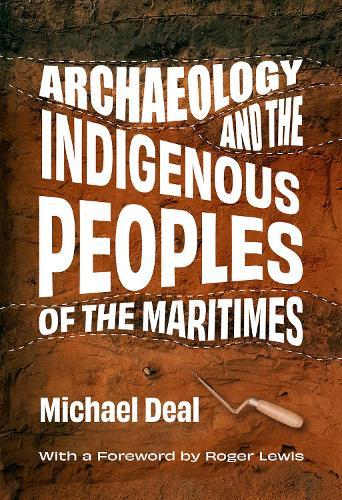
In recent decades, the development of Indigenous Archaeology has prompted a shift in how non-Indigenous archaeologists approach the archaeological record, moving toward the inclusion of Indigenous reconstructions of precontact history communicated through oral tradition and traditional practices. Drawing mainly on research conducted since the late 1950s, this book surveys the historical perspective, theory, and methodology of maritime archaeology and offers insight on the lives of the Palaeo (Ancient), Archaic (Long Ago), and Woodland (Clay Pot) peoples. Looking to provide answers to where the earliest inhabitants of the Maritimes came from, what the area was like when they were there, and how they developed their technology and expanded their populations, Archaeology and the Indigenous Peoples of the Maritimes provides a retrospective look at the precontact period and how precontact cultures changed as they encountered neighbouring Indigenous peoples and finally European colonists.
Full Product Details
Author: Michael Deal
Publisher: Memorial University Press
Imprint: Memorial University Press
Dimensions:
Width: 15.20cm
, Height: 2.50cm
, Length: 22.90cm
Weight: 0.544kg
ISBN: 9781990445118
ISBN 10: 199044511
Pages: 284
Publication Date: 30 November 2023
Audience:
Professional and scholarly
,
College/higher education
,
General/trade
,
Professional & Vocational
,
Tertiary & Higher Education
Format: Paperback
Publisher's Status: Active
Availability: In Print

This item will be ordered in for you from one of our suppliers. Upon receipt, we will promptly dispatch it out to you. For in store availability, please contact us.
Reviews
Studies of Indigenous knowledge are challenging not only because of difficulties in cross-cultural communication and understanding but also because of their inevitable political dimensions...This publication serves to help narrow those gaps for future young Mi'kmaw scholars and academics. It also forms a valuable addition to the existing body of knowledge and will serve as a great resource to both Mi'kmaw and non-Mi'kmaw readers in the Atlantic Region. - Roger Lewis
Studies of Indigenous knowledge are challenging not only because of difficulties in cross-cultural communication and understanding but also because of their inevitable political dimensions...This publication serves to help narrow those gaps for future young Mi'kmaw scholars and academics. It also forms a valuable addition to the existing body of knowledge and will serve as a great resource to both Mi'kmaw and non-Mi'kmaw readers in the Atlantic Region. - Roger Lewis, Foreword
""Studies of Indigenous knowledge are challenging not only because of difficulties in cross-cultural communication and understanding but also because of their inevitable political dimensions…This publication serves to help narrow those gaps for future young Mi'kmaw scholars and academics. It also forms a valuable addition to the existing body of knowledge and will serve as a great resource to both Mi'kmaw and non-Mi'kmaw readers in the Atlantic Region."" - Roger Lewis, Foreword
Author Information
Michael Deal retired from Memorial University in 2018 after 33 years of teaching in the Departments of Anthropology and Archaeology. He served as Department Head (Anthropology) from 2001 to 2003 and Chair of the Archaeology Unit from 2005-2009, when it became a separate department. He also served as President of the Canadian Archaeological Association (2018–20). Over nearly five decades he has conducted archaeological research in Cyprus, Mexico, British Columbia, Ontario, and all four of the Atlantic Provinces. His field work and teaching since 1983 has focused primarily on the precontact archaeology of the Maritime Provinces.